
Pregnant Women in ICE Custody: Risks and Realities
Examining the urgent health and human rights crises facing pregnant women detained by U.S. Immigration and Customs Enforcement.
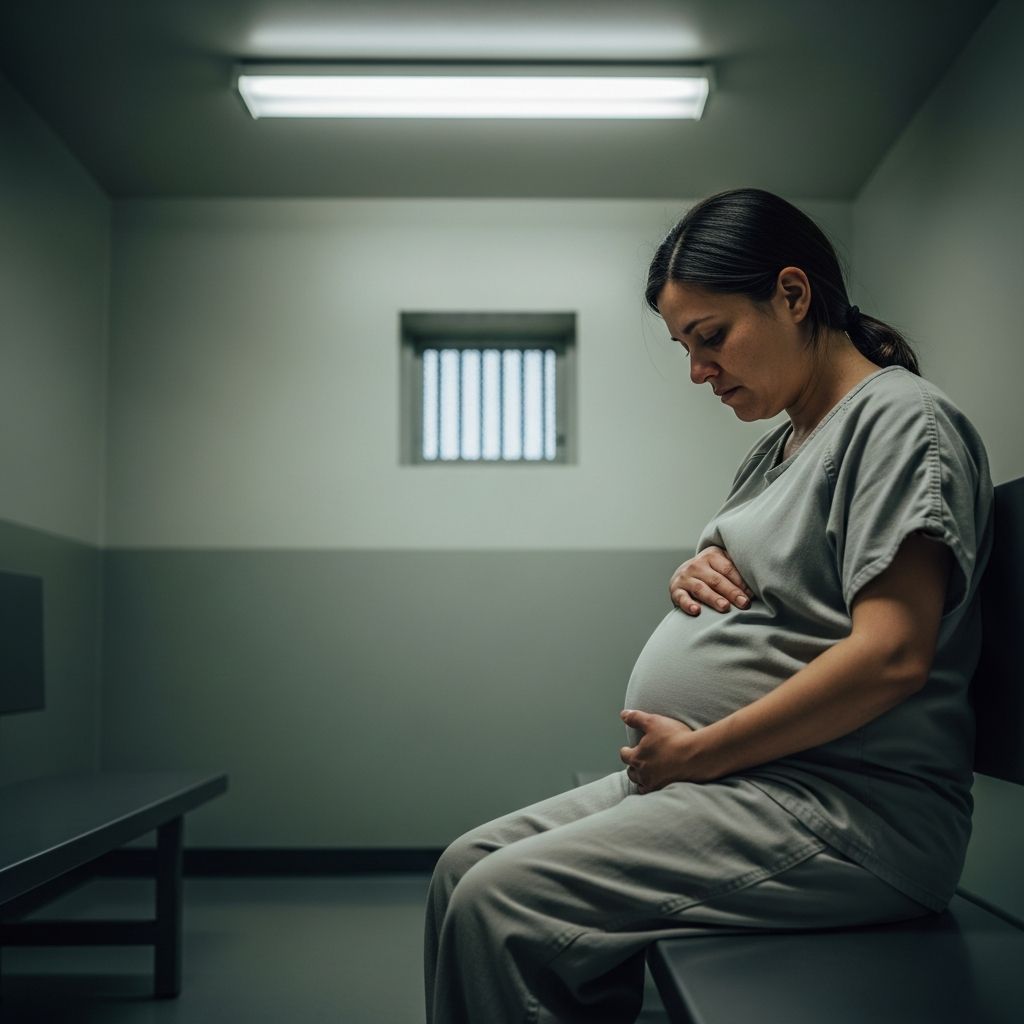
Immigration detention by U.S. Immigration and Customs Enforcement (ICE) presents profound dangers for pregnant individuals, who face heightened vulnerability due to their medical needs. Despite directives aimed at protecting them, numerous accounts reveal persistent neglect, shackling, and deportation practices that endanger lives and violate established guidelines.
Current Landscape of Detention Practices
ICE facilities hold a small but significant number of pregnant detainees, representing about 0.18% of the total population as of early 2026. Official data from February 2026 indicates 86 pregnant women in custody, including nine in their final trimester, with 16 miscarriages documented by late September 2025. This persistence occurs even though ICE policy explicitly advises against detaining pregnant, postpartum, or nursing individuals except in extraordinary cases.
Advocacy groups have tracked over 1,000 credible abuse reports in the first year of heightened enforcement, with a focus on maternal health failures. These facilities, often overcrowded and under-resourced, struggle to meet basic prenatal standards, leading to outcomes that compromise both maternal and fetal health.
Medical Neglect and Its Dire Consequences
Pregnant women in ICE detention frequently endure delayed or absent prenatal care, exacerbating risks like miscarriage and life-threatening complications. Reports detail women bleeding for days without intervention; one 25-year-old suffered prolonged hemorrhage before emergency deportation, arriving home in critical condition.
- Detainees submit repeated sick call requests that go ignored, with waits of weeks for basic exams.
- Routine needs like prenatal vitamins are denied, leaving women weak from malnutrition.
- Post-miscarriage care is minimal; one woman experienced ongoing pain and infection after release but received no follow-up for 11 days.
A Mexican woman, pregnant with her first child, miscarried in custody, was hospitalized briefly, then returned amid continued bleeding and fever. Her deportation followed months of unanswered pleas for treatment. Such patterns indicate systemic gaps in oversight and medical staffing.
Shackling and Physical Restraints
Shackling pregnant women during transport or medical visits contravenes humane standards and poses direct threats to pregnancy viability. Accounts describe restraints on ankles, wrists, and waists even during active labor or miscarriage. Neysis Mariena, six months pregnant with twins, was shackled to a hospital bed amid contractions.
| Case Example | Restraint Details | Health Impact |
|---|---|---|
| Lucia (pseudonym) | Shackled during ER transport after heavy bleeding | Miscarriage requiring transfusion; deported with ongoing pain |
| Julieta (pseudonym) | Full body shackles for cross-country move | Fear of pregnancy endangerment from stress |
| Jenny (pseudonym) | Restrained while vomiting and bleeding | Limited water access worsened dehydration |
These practices not only inflict physical harm but also psychological trauma, with one woman held in solitary confinement despite declaring her pregnancy, later developing eclampsia.
Nutritional Deficiencies and Living Conditions
Inadequate food quality and quantity undermine prenatal nutrition. Detainees report small portions of spoiled meals, forcing reliance on processed alternatives like instant noodles. Alicia, detained unexpectedly, felt perpetually hungry on the provided diet, weakening her during early pregnancy.
- Overcrowded cells lead to floor sleeping, increasing injury risks.
- Lack of clean water and sanitation heightens infection chances, critical for postpartum recovery.
- Postpartum women face separation from nursing infants, disrupting bonding and milk supply.
Deportation Trends and Family Separations
ICE deported 363 pregnant, postpartum, or nursing women from January 2025 onward, often without stabilizing care. A woman with a missed miscarriage was sent home untreated, requiring immediate hospitalization upon arrival. This ramp-up coincides with enforcement priorities that prioritize removal over health safeguards.
Senators and advocates, including Sen. Patty Murray, have condemned these actions, demanding better oversight after DHS responses revealed ongoing detentions. Family separations compound trauma, with mothers deported while children remain in the U.S.
Policy Framework and Violations
ICE’s Performance-Based National Detention Standards (PBNDS) mandate release for medically certified pregnant women and prohibit shackling after 20 weeks gestation. Yet, facilities like Basile in Louisiana held 14 pregnant women as of April 2025, ignoring these rules.
The Women’s Refugee Commission and Physicians for Human Rights documented violations, including untreated life-threatening conditions. ACLU investigations over nine months confirmed widespread non-compliance through direct interviews.
Voices from Advocacy Organizations
“Immigration detention is known for medical neglect… what we heard from pregnant women are some of the most horrifying stories.” — Eunice Cho, ACLU National Prison Project.
Groups like Human Rights Watch note that detaining pregnant people inherently risks health, urging policy enforcement. Calls for independent audits and facility closures target repeat offenders.
Legal Recourse and Advocacy Efforts
Lawsuits and congressional letters press ICE for transparency and reform. The ACLU demands immediate release protocols, community-standard care, and abuse probes. Immigration attorneys assist detainees in filing for humanitarian parole or bond.
- Document all incidents via hotlines like the Pregnancy Detention Tracker.
- Contact elected officials to support oversight legislation.
- Support nonprofits providing legal aid to detained families.
Frequently Asked Questions (FAQs)
What is ICE’s official policy on pregnant detainees?
ICE policy states that pregnant, postpartum, or nursing individuals should not be detained except in exceptional circumstances, with requirements for release if medically certified as pregnant.
Why are pregnant women still being detained?
Despite policies, enforcement practices and facility decisions lead to detentions, often without adequate justification or oversight.
What health risks do pregnant women face in detention?
Risks include miscarriage, eclampsia, infections, malnutrition, and psychological trauma from shackling and isolation.
How can family members help a detained pregnant relative?
Reach out to senators, immigration attorneys, and trackers like WRC’s to advocate for release and care.
Are there recent statistics on pregnant detainees?
As of February 2026, 86 pregnant women were in ICE custody, with 16 miscarriages reported in 2025.
Pathways to Reform
Reform requires binding enforcement of standards, increased funding for alternatives to detention, and mandatory health screenings upon intake. Community-based programs have proven effective in supporting immigrant mothers without compromising public safety. Ongoing monitoring by independent bodies could prevent future abuses, ensuring that vulnerable populations receive the protections promised by law.
References
- ICE Is Separating Families and Denying Care to Pregnant Women — Physicians for Human Rights. 2026. https://phr.org/news/ice-is-separating-families-and-denying-care-to-pregnant-women-in-violation-of-its-own-policies-new-report-finds/
- What’s Happening to Pregnant, Postpartum, and Nursing Women in ICE Custody — Center for Reproductive Rights. 2025. https://reproductiverights.org/news/pregnant-postpartum-nursing-women-ice-custody/
- Pregnant and Postpartum Women Face Neglect and Abuse in ICE Detention — American Civil Liberties Union. 2025. https://www.aclu.org/news/immigrants-rights/pregnant-and-postpartum-women-face-neglect-and-abuse-in-ice-detention
- US Ramps Up Deportation of Pregnant People — Human Rights Watch. 2026-03-20. https://www.hrw.org/news/2026/03/20/us-ramps-up-deportation-of-pregnant-people
- ICE Enforcement Practices Raise Questions About Oversight — Government Executive. 2026-03. https://www.govexec.com/management/2026/03/ice-enforcement-practices-raise-questions-about-oversight-pregnant-and-postpartum-detainees/412211/
- Murray Blasts Inadequate DHS Response — Sen. Patty Murray Office. 2026. https://www.murray.senate.gov/murray-blasts-inadequate-dhs-response-to-oversight-letter-on-pregnant-women-in-ice-detention/
Similar Articles








Read full bio of medha deb




