
Pranks That Get People Arrested: Legal Risks And How To Avoid
Discover how innocent fun can spiral into serious legal trouble with real stories of pranksters facing jail time and heavy fines.
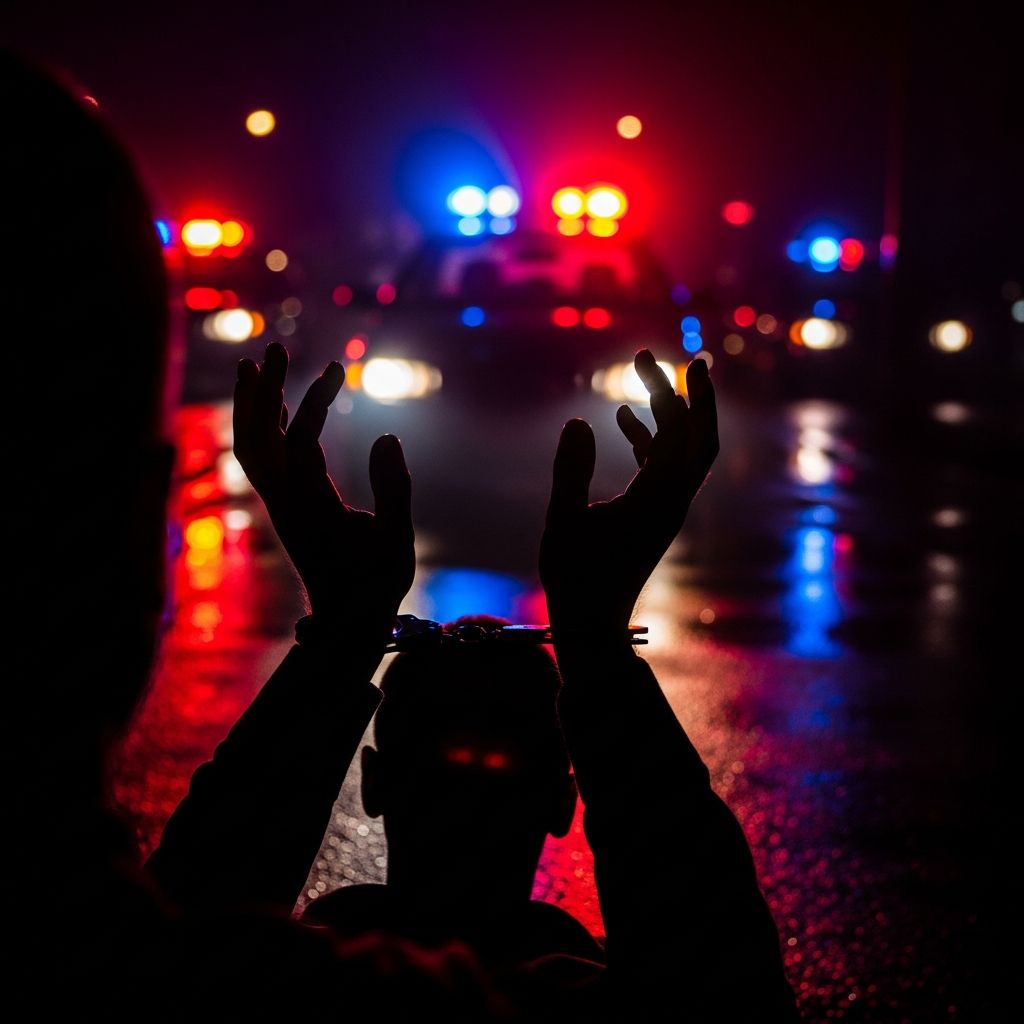
Pranks have long been a staple of youthful exuberance, holiday celebrations, and online entertainment. However, what starts as harmless laughter can quickly escalate into criminal charges when boundaries are crossed. This article examines various pranks that have resulted in arrests, drawing from documented cases to illustrate the thin line between jest and illegality. By understanding these examples, individuals can enjoy humor without risking handcuffs.
Understanding the Legal Risks of Pranks
Many pranks involve actions that violate criminal statutes, even if unintended. Common charges include vandalism (damage to property), criminal mischief (intentional disruption), assault (causing fear of harm), and false reporting (wasting emergency resources). According to the U.S. Department of Justice, misdemeanor vandalism can lead to fines up to $1,000 and jail time, while felonies escalate to years in prison depending on damage amount and intent.
Laws vary by state, but principles from the Model Penal Code influence most jurisdictions. For instance, any act causing public alarm or property harm without consent qualifies as disorderly conduct or worse. Pranksters often underestimate victim reactions, leading to disproportionate responses from law enforcement.
Property Damage Pranks Gone Wrong
One of the most frequent prank categories involves defacing or destroying others’ belongings, especially during holidays like Halloween.
- Egging and Toilet Papering: Throwing eggs or rolls of toilet paper at homes seems mild, but it constitutes vandalism. In Texas, teens faced felony injury to the elderly charges for egging a 71-year-old woman, as reported in local news. Cleanup costs and emotional distress elevate these to misdemeanors or felonies.
- Smashing Decorations: Pumpkins, mailboxes, and lawn ornaments are prime targets. Police logs fill with reports of such acts, leading to theft or criminal trespass charges. Punishments range from community service to jail based on damage value.
A Texas mother was charged with felony criminal mischief for orchestrating TP-ing, graffiti, and mailbox tampering by students. Charges dropped after paying $1,900 in restitution, highlighting financial repercussions.
Fire and Explosive Hazards in Jest
Pranks involving flames or alarms pose immediate dangers and severe penalties.
| Prank Type | Example Case | Charges | Consequences |
|---|---|---|---|
| Flaming Manure Bags | Doorstep “gifts” that ignite | Criminal mischief, arson if spreads | Fines, jail; fire spreads easily to structures |
| False Fire Alarms | Club pull station activation in costume | Felony false alarm (Florida) | Arrest, potential years in prison |
Lighting bags of manure on porches risks fire spread, invoking arson laws if it damages buildings. A Florida man dressed as Pamela Anderson pulled a nightclub alarm, earning a felony charge. Such acts divert critical resources, justifying harsh penalties.
Terrifying Strangers: Assault by Fear
Scaring people with masks or props can be seen as aggravated assault if victims fear imminent harm.
- In Florida, a masked man with a fake knife terrified women unloading cars, believing it real. He was arrested for aggravated assault.
- Online videos show pranksters spraying strangers with extinguishers or throwing objects, leading to assault claims if injuries occur.
YouTube compilations detail cases like locking people in buildings or using mannequin heads in fryers, resulting in arrests for battery or false imprisonment. Victims’ panic can cause real injuries, like falls or heart issues, turning pranks deadly serious.
Hoax Emergencies and Swatting
Faking crises wastes public resources and endangers lives, often classified as felonies.
- Faked Suicides or Kidnappings: A New Yorker staged hanging to scare his ex-wife, triggering 911. He faced a $1,000 fine and one-year sentence for misusing emergency services. Similarly, a field hockey player taped her mouth with a “HELP! KIDNAPPED!” sign, causing highway trooper intervention and disorderly conduct charges.
- Swatting: Gamers fake mass shootings or murders to summon SWAT teams. A Long Island teen’s shower was interrupted by 60 officers after a hoax killing report, costing $100,000.
- Bomb Scares: Placing a blow-up doll in a school bathroom prompted a bomb squad lockdown. The perpetrator faced felony criminal mischief.
These hoaxes tie up responders, depriving communities of aid during real emergencies. Federal laws now target swatting with up to five years imprisonment.
Digital and Financial Pranks Crossing Lines
Modern pranks extend online, fabricating news or recordings.
- A day-trader invented a market crash story, profited $250,000 via short-selling, and pled guilty to securities fraud. Sentenced to 44 months prison plus $103,000 fines.
- Recording coaches with fake job offers violated wiretapping laws in California (Penal Code 632), risking three years jail.
Illegal recordings or disseminated hoaxes trigger civil suits alongside criminal charges, amplifying fallout.
Seasonal Pranks: Halloween and April Fools Pitfalls
Holidays amplify prank risks. Halloween sees spikes in vandalism; April Fools invites hoaxes.
Ohio Bar reports cases like fake car giveaways causing distress, UFO scares prompting alarms, or “pranks that went up in flames” leading to arson charges. Always assess impact before acting.
Frequently Asked Questions (FAQs)
Can a prank really lead to felony charges?
Yes, if it involves significant damage (>$500 in many states), targets vulnerable people, or wastes emergency services. Examples include felony vandalism or assault.
What should I do if arrested for a prank?
Contact a criminal defense attorney immediately. Many cases resolve with restitution or pleas, as in the Texas mother’s case.
Are online pranks safe?
No, swatting or fake news can lead to federal charges. Gamers have faced multi-year sentences.
How to prank legally?
Get consent, avoid property harm or fear, and stay on private property with permission. Public spaces heighten risks.
Do age or first offense matter?
Juveniles often get leniency, but felonies stick. Diversion programs exist, like the doll prank expungement.
Preventing Prank Disasters: Safe Alternatives
To enjoy fun without felony fears:
- Plan consent-based jokes with friends.
- Use props on your property.
- Avoid fire, alarms, or impersonations.
- Document intent if sharing online.
Communities benefit from awareness campaigns by police, emphasizing “prank smart, stay out of court.”
In conclusion, while pranks foster joy, real cases prove ignorance of law invites arrest. Reflect on consequences—victims’ trauma lasts longer than laughs.
References
- Pranks That Got People Arrested — YouTube (Epidemic Sound). 2023. https://www.youtube.com/watch?v=kDZNWGqyQZg
- Seven Halloween Pranks that Can Get You Arrested — Versus Texas. Accessed 2026. https://versustexas.com/blog/halloween-pranks/
- 8 Practical Jokes That Ended in Arrests — Wallin & Klarich (WK Law). Accessed 2026. https://www.wklaw.com/8-practical-jokes-ended-arrests/
- 5 April Fools’ Day pranks that turned into court cases — Ohio State Bar Association. 2026 (updated). https://www.ohiobar.org/member-tools-benefits/practice-resources/practice-library-search/practice-library/5-april-fools-day-pranks-that-turned-into-court-cases/
Similar Articles








Read full bio of Sneha Tete




