
The Post-SCOTUS Landscape of LGBTQ+ Rights
Analyzing the Supreme Court's impact on the future of LGBTQ+ civil liberties.
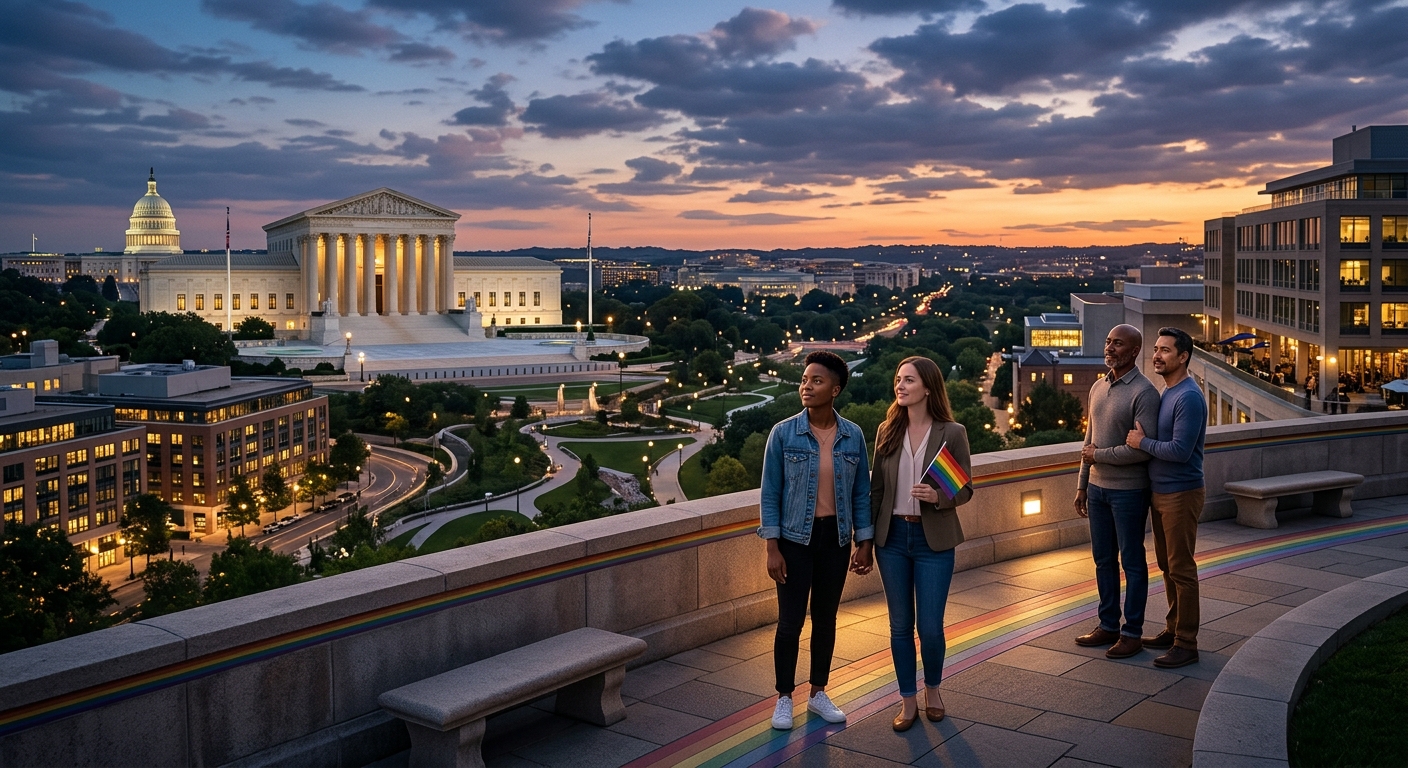
The Evolving Landscape of LGBTQ+ Rights in the Wake of Supreme Court Terms
Every year, as the warm days of June arrive, the LGBTQ+ community and its myriad allies find themselves navigating a complex emotional intersection of jubilation and profound anxiety. Globally, June is celebrated as Pride Month, dedicating thirty days to honoring the historic resilience, ongoing struggles, and vibrant culture of queer individuals worldwide. Within the United States, however, late June also marks the traditional conclusion of the Supreme Courts annual term. This temporal overlap is no mere coincidence in the minds of civil rights litigators; it has historically served as the backdrop for some of the most monumental legal milestones in American history. From the nationwide legalization of same-sex marriage to landmark workplace discrimination protections, the end of the judicial calendar has frequently redrawn the boundaries of equality.
Yet, in recent years, the culmination of the Supreme Court term has increasingly become a source of intense trepidation rather than outright hope. The current ideological composition of the Court, characterized by a distinct conservative supermajority, has fundamentally altered the strategic calculus for those advocating for civil rights. This paradigm shift prompts urgent and critical questions about the durability of established legal protections and the overarching trajectory of future constitutional battles. As we analyze the judicial fallout and interpret the subtle cues left by the highest court in the land, it is imperative to understand precisely where the movement for LGBTQ+ equality stands today and what formidable challenges loom on the horizon.
The High Courts Shifting Tides on Civil Liberties
The legal framework safeguarding LGBTQ+ individuals in the United States is deeply complex and, in several key areas, inherently fragile. Unlike certain other protected demographic classes, explicit and comprehensive federal statutes universally banning discrimination on the basis of sexual orientation and gender identity remain stalled within the legislative branch. Consequently, the vast majority of the progress achieved over the last two decades has not been granted by Congress, but rather wrested through grueling appellate litigation and meticulous judicial interpretation of existing civil rights laws.
A shining example of this was the monumental ruling in Bostock v. Clayton County, which established that sex discrimination under Title VII of the Civil Rights Act of 1964 inherently encompasses discrimination based on an individual’s sexual orientation and transgender status. This provided a crucial, nationwide federal baseline for employment protections, ensuring that individuals could not be legally fired simply for who they are or whom they love. However, the euphoria of that sweeping victory has been increasingly tempered by the realities of a shifting judicial philosophy. Recent Supreme Court terms have demonstrated a pronounced willingness to critically re-examine the boundaries of anti-discrimination laws. Legal scholars note a distinct transition from an era of expansive, holistic civil rights interpretations to one that heavily prioritizes originalist methodologies and the robust protection of competing constitutional clauses. This reality requires advocates to remain constantly vigilant; protections once considered absolute are now facing novel, highly sophisticated legal challenges designed to erode them incrementally from the inside out.
The First Amendment vs. Equal Protection: A Dangerous Collision
Perhaps the most pressing and conceptually complex battleground in the current legal landscape is the intersectionand frequent collisionbetween First Amendment liberties and equal protection guarantees. Across the nation, a well-funded and coordinated legal movement has actively sought to carve out broad, sweeping exceptions to non-discrimination laws by invoking the doctrines of religious liberty and freedom of speech. The central argument posited by these challengers is that compelling private businesses, creative professionals, or state-funded adoption agencies to serve LGBTQ+ individuals against their deeply held religious or moral convictions constitutes a severe violation of their constitutional rights.
The Threat of Institutionalized Loopholes
When the Supreme Court signals a willingness to entertain, or outright validate, these religiously motivated arguments, it sends a powerful and immediate message to state legislatures and lower federal courts across the country. The inherent, systemic danger in granting sweeping religious or speech-based exemptions is the creation of a “Swiss cheese” effect within civil rights legislation. Fundamentally, anti-discrimination laws are designed to ensure full, unimpeded, and equal participation in public life and the commercial marketplace. If businesses, healthcare providers, and state-funded institutions are legally permitted to seamlessly opt out of these laws, the overarching statutory protections are rendered largely symbolic and practically hollow.
Prominent civil rights organizations have loudly sounded the alarm over this specific trajectory. They argue that permitting a constitutionally sanctioned right to discriminate actively undermines the very fabric of an equitable, pluralistic society. Historical precedent in other civil rights arenassuch as those dealing with race and genderhas largely rejected the notion that personal religious beliefs can justify segregation or the outright denial of commercial services. The application of a different, notably more permissive standard for anti-LGBTQ+ discrimination threatens to relegate queer Americans to a secondary, inferior tier of citizenship. In this reality, access to basic goods, essential services, lifesaving healthcare, and stable employment becomes entirely contingent upon the ideological disposition of the provider.
The Transgender Rights Crucible
While the broader LGBTQ+ community faces ongoing challenges regarding public accommodations and expanding religious exemptions, transgender individualsand particularly transgender youthhave been abruptly thrust into the center of a fierce, highly politicized legal crucible. The fight for transgender equality is currently the most active, visible, and arguably the most volatile frontier in the modern American civil rights movement.
Interpreting the Courts Strategic Silence
In attempting to understand the Supreme Courts exact stance on transgender rights, legal analysts must often look beyond the cases the Court explicitly decides, and carefully analyze the cases it actively chooses to ignore. The denial of certiorarithe formal refusal to hear an appealcan carry profound legal implications. For instance, in recent years, when the Court has declined to review federal appellate decisions that mandate equal restroom and locker room access for transgender students, those crucial pro-equality rulings remain the undisputed law of the land in their respective appellate circuits. This exercise of judicial restraint has effectively allowed vital, life-affirming protections to firmly take root in numerous states, establishing a legal framework where vulnerable students are respected and affirmed in their gender identity without federal interference.
The Battle Over Bodily Autonomy and Healthcare
Conversely, the Court’s willingness to engage with other highly sensitive aspects of transgender rights, such as state-imposed legislative bans on gender-affirming medical care, indicates a selective and potentially perilous approach to these specific civil liberties. The rapid proliferation of state laws attempting to criminalize medical doctors, penalize supportive parents, and outright deny medically necessary care to transgender adolescents represents a direct, unprecedented assault on bodily autonomy and established medical consensus. Major medical associations universally recognize gender-affirming care as lifesaving and necessary, yet legislative bans blatantly disregard this science. When the Supreme Court agrees to take up challenges to these bans, it effectively places the future of countless families directly in the hands of nine justices. The stakes are profoundly existential; these are not mere academic legal debates, but sweeping policies that dictate whether an already marginalized and vulnerable population can access essential healthcare.
The State Legislative Onslaught
The signals emanating from the federal judiciarywhether they take the form of explicit rulings or ambiguous deferralsdo not exist in a vacuum. Instead, they serve as powerful catalysts for rapid action at the state level. Over the past few legislative cycles, the United States has witnessed an unprecedented, highly coordinated onslaught of anti-LGBTQ+ legislation sweeping rapidly through statehouses nationwide. Tracking organizations and prominent civil rights groups have documented hundreds of hostile bills introduced in single legislative sessions, the vast majority of which deliberately target the daily lives of transgender individuals.
This aggressive legislative wave is comprehensive and ruthless in its scope. It includes systemic efforts to ban transgender women and girls from participating in scholastic sports, legislation designed to aggressively censor any classroom discussions of gender identity and sexual orientation, and draconian bureaucratic measures aimed at restricting the ability to update gender markers on essential identification documents like driver’s licenses and birth certificates. These bills are rarely the product of localized grassroots demand; rather, they are often driven by national political strategies that utilize standardized, template legislation to rapidly propagate restrictive, punitive policies across multiple conservative jurisdictions.
The human toll of this relentless legislative frenzy cannot be overstated. It actively forces families to navigate an increasingly hostile and unpredictable legal environment, sometimes compelling them to uproot their entire lives and relocate to designated “sanctuary” states where their fundamental rights are insulated from partisan attacks. Furthermore, the constant, highly public debate over the validity, dignity, and basic humanity of LGBTQ+ individuals exacts a severe psychological cost. This environment heavily contributes to alarming rates of anxiety, severe depression, and systemic crisis within the community, particularly impacting vulnerable youth who feel targeted by their own government.
A Multi-Faceted Defense Strategy for the Future
Given the inherent volatility of the federal judiciary and the remarkably aggressive posture of numerous state legislatures, reliance on any single avenue of advocacy is no longer a viable strategy for survival. Securing, defending, and advancing LGBTQ+ rights in the current era requires a robust, deeply multi-faceted strategy that leverages every available mechanism for social, legal, and political change.
- Fortifying State Constitutions: While federal protections may be under severe threat, state courts and state constitutions offer a critical, localized line of defense. Many state constitutions possess equal protection and right-to-privacy clauses that are interpreted far more broadly than their federal counterparts. Civil rights litigators are increasingly prioritizing state-level lawsuits to definitively block anti-LGBTQ+ legislation.
- Executive Action and Administrative Enforcement: The role of the federal executive branch remains a massive, powerful tool for civil rights enforcement. Regulatory agencies, such as the Department of Education enforcing Title IX, hold significant administrative authority in interpreting and implementing existing federal laws to combat discrimination in schools and workplaces.
- Grassroots Mobilization: Sustainable legal change is inextricably linked to cultural shifts and electoral accountability. Grassroots mobilization is absolutely essential to combatting voter suppression and ensuring that marginalized communities have a powerful, decisive voice in the democratic process.
- Corporate Allyship: The role of corporate entities must urgently evolve beyond performative, superficial gestures during Pride Month. True corporate allyship necessitates a willingness to leverage massive economic power, strategically withdraw investments from states that pass discriminatory laws, and publicly advocate for comprehensive civil rights legislation.
Frequently Asked Questions (FAQs)
- How do Supreme Court decisions directly influence state-level LGBTQ+ laws?
Supreme Court rulings set the supreme legal precedent for the entire nation. When the Court expands protections, states are legally obligated to comply. Conversely, when the Court creates exemptions (e.g., based on religious liberty) or signals a reluctance to intervene, state legislatures often feel politically emboldened to pass highly restrictive laws, accurately anticipating that they will now survive federal legal challenges.
- What does it mean when the Supreme Court denies ‘certiorari’ in a civil rights case?
Denying certiorari simply means the Supreme Court has decided not to hear an appeal of a lower appellate court’s ruling. This action leaves the lower court’s decision firmly in place. If a federal appeals court rules in favor of a transgender student’s right to use a specific restroom, and the Supreme Court denies the appeal, that pro-equality ruling remains legally binding within the specific states covered by that appellate circuit.
- Why are religious exemptions considered a major threat to anti-discrimination laws?
Civil rights advocates argue that if businesses and public service providers are permitted to cite religious beliefs as a valid, legally sound reason to deny services to LGBTQ+ individuals, it creates massive, exploitable loopholes in civil rights laws. These sweeping exemptions can systematically lead to a society where LGBTQ+ people face lawful discrimination in employment, housing, healthcare, and everyday commerce.
- What can everyday individuals do to actively support LGBTQ+ rights amid this legal uncertainty?
Individuals can deeply engage in local grassroots organizing, financially support and volunteer with dedicated legal advocacy groups, vote consistently in local and state elections where crucial legislative seats are determined, and strongly advocate for comprehensive, inclusive non-discrimination policies within their own workplaces, schools, and communities.
Conclusion
The conclusion of a Supreme Court term no longer marks a definitive endpoint to the years civil rights battles; rather, it signals a strategic realignment of the legal battlefield. The ongoing struggle for LGBTQ+ equality is deeply entrenched in a critical transitional phase, characterized by profound, hard-won victories standing precariously alongside aggressive legislative and judicial pushback. The profound tension between expansive equal protection guarantees and the aggressive assertion of religious exemptions will continue to define the jurisprudence of this volatile era. As the legal landscape remains intensely fluid, the bedrock of the movement cannot rest solely on the unpredictable, shifting inclinations of federal courts. It must instead be sustained by relentless community organizing, sophisticated state-level litigation, and an unwavering commitment to the fundamental premise that civil rights are not negotiable privileges, but absolute imperatives for a just, equitable society.
References
- Mapping Attacks on LGBTQ Rights in U.S. State Legislatures — American Civil Liberties Union. 2026-05-29. https://www.aclu.org/legislative-attacks-on-lgbtq-rights
- Title IX of the Education Amendments of 1972 — Civil Rights Division, U.S. Department of Justice. 2021-08-12. https://www.justice.gov/crt/title-ix-education-amendments-1972
- Bostock v. Clayton County, 590 U.S. 644 (2020) — Oyez. 2020-06-15. https://www.oyez.org/cases/2019/17-1618
- Executive Order on Preventing and Combating Discrimination on the Basis of Gender Identity or Sexual Orientation — The White House. 2021-01-20. https://www.whitehouse.gov/briefing-room/presidential-actions/2021/01/20/executive-order-preventing-and-combating-discrimination-on-basis-of-gender-identity-or-sexual-orientation/
Similar Articles








Read full bio of Sneha Tete


