
Police Body Cameras: Rules on Turning Them Off
Exploring legal guidelines, state laws, and exceptions allowing police to deactivate body-worn cameras during encounters.
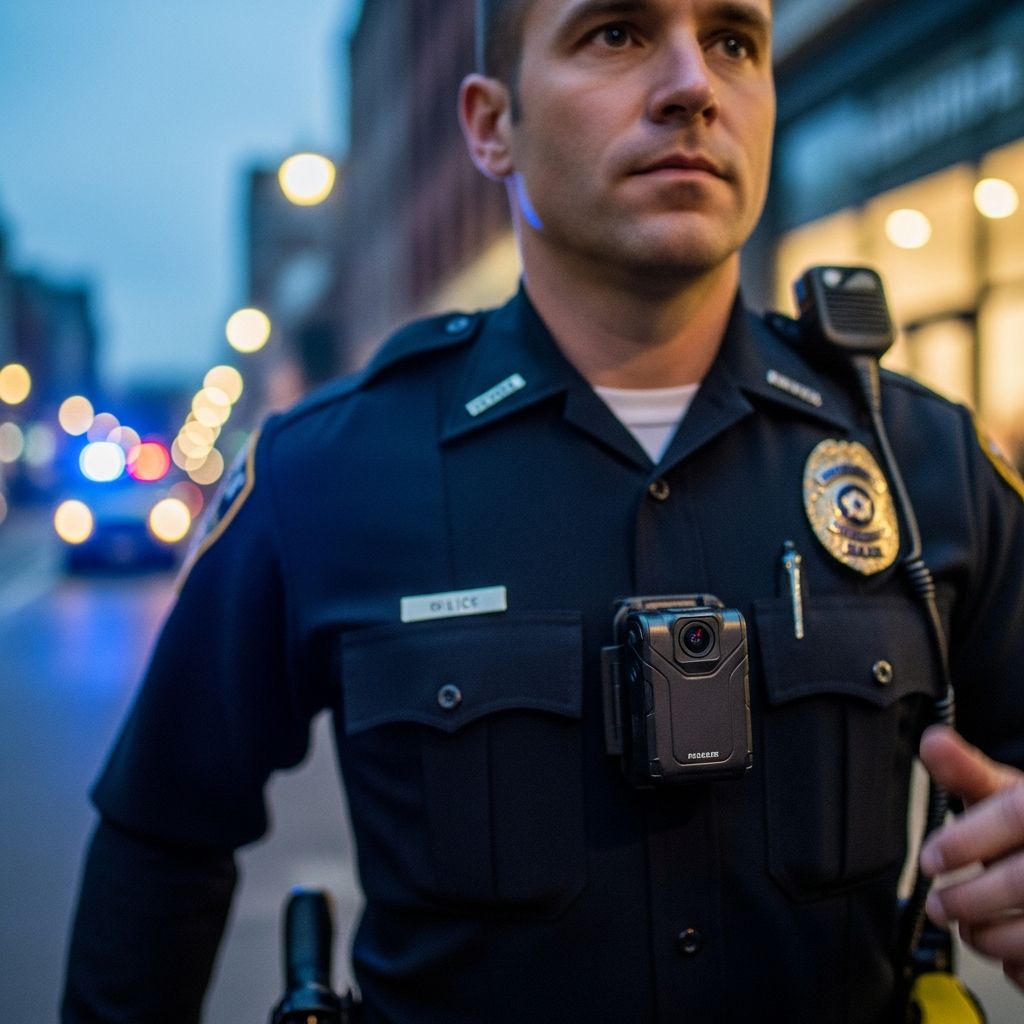
Body-worn cameras have become standard equipment for law enforcement officers across the United States, aimed at promoting accountability, providing evidence in investigations, and fostering public trust. However, questions frequently arise about the circumstances under which these devices can be deactivated. While policies mandate recording during most public interactions, specific legal exceptions exist to balance operational needs, privacy rights, and investigative integrity.
The Purpose and Rise of Body-Worn Cameras in Policing
Introduced widely after high-profile incidents highlighting police-public interactions, body cameras capture audio and video from an officer’s perspective. They document events objectively, reducing disputes over what transpired during stops, arrests, or uses of force. Federal initiatives, including grants from the Department of Justice, have accelerated their adoption, with eight states now requiring statewide use.
These tools serve multiple goals: accurate documentation of encounters, protection for officers against false claims, and valuable evidence for prosecutions or internal reviews. Despite their benefits, rigid activation rules are tempered by provisions allowing deactivation in sensitive scenarios to prevent misuse or privacy violations.
Federal Guidelines Shaping Local Policies
The U.S. Department of Justice provides model policies that many agencies adapt. These emphasize activating cameras for all citizen contacts unless exceptions apply, such as undercover operations or locations with a reasonable expectation of privacy, like restrooms or private residences. Officers must receive training on usage, positioning cameras on the torso for optimal views, and reporting malfunctions immediately.
Prohibitions include using personal devices on duty or recording internal police communications. Data retention follows state laws, with footage flagged for incidents like complaints or force usage preserved longer. Executive Order 14074 further mandates public posting of federal agency policies to enhance transparency.
State-Specific Regulations on Camera Activation
Laws vary significantly by jurisdiction, reflecting local priorities on privacy versus accountability. In Illinois, the Law Enforcement Officer-Worn Body Camera Act (50 ILCS 706/) requires agencies to adopt policies with pre-event buffering (at least 30 seconds prior to activation) and continuous recording during duty shifts. Cameras may deactivate inside patrol cars with functioning dash cams but must reactivate upon exiting for enforcement activities.
| State | Key Activation Requirements | Common Deactivation Exceptions |
|---|---|---|
| Illinois | All on-duty interactions; pre-event recording | Victim/witness request; confidential informants |
| Colorado | Calls for service, public interactions, law enforcement | Personal info unrelated to case; long breaks |
| New York | All patrol time; exiting vehicle, force, searches | Undercover operations |
This table summarizes mandates from select states, drawn from comprehensive policy reviews. Nationwide, eight states enforce uniform requirements, but most rely on agency discretion guided by state minimums.
When Can Officers Legally Deactivate Body Cameras?
Deactivation is not arbitrary; statutes outline precise conditions. Primary allowances include:
- Privacy Requests: Victims, witnesses, or community members reporting crimes can request cameras off, documented on the recording itself if feasible. Officers must inform about continued in-car recording.
- Undercover or Informant Interactions: To protect sources, cameras deactivate during confidential meetings.
- Private Settings: Areas like homes, medical facilities, or restrooms where privacy expectations are high.
- Vehicle Interiors: When dash cams are operational, body cams may pause until public engagement resumes.
- Personal Breaks: Non-duty activities, such as meals, exclude recording.
Recent Illinois updates (Public Act 103-1081, effective March 2025) strengthen victim comforts by mandating notifications about auxiliary recordings. If exigent circumstances or suspicion of crime by the requester exists, recording may continue, with the reason stated on video.
Privacy Protections and Limitations on Recording
Balancing transparency with individual rights is central. Policies prohibit recording in spaces with reasonable expectation of privacy, defined as areas where society recognizes seclusion, such as changing rooms or private conversations. Officers should notify subjects of recording when possible, except in undercover scenarios.
Biometric searches of footage are restricted in progressive policies, and pre-report viewing by officers is often limited to prevent narrative shaping. Victims of sensitive crimes, like sexual assaults, gain additional safeguards through request rights. These measures ensure cameras document enforcement without overreach.
Retention Periods and Public Access to Footage
Footage management is critical for legal utility. Standard retention is 90 days in Illinois unless “flagged” for complaints, force, arrests, or harm, extending to two years or court orders. Unflagged videos auto-delete post-90 days, balancing storage costs with FOIA exemptions.
Public access varies: Flagged recordings may release under FOIA if no privacy expectation applies, prioritizing complainants’ rights. Policies score high when limiting retention, protecting against tampering, and enabling complaint-based access. The Brennan Center notes diverse approaches, urging standardized release protocols.
Challenges and Criticisms of Deactivation Policies
While structured, these rules face scrutiny. Advocates argue excessive exceptions undermine accountability, especially if officers self-determine privacy needs. Scorecards evaluate departments on discretion limits and public policy availability. Incidents of alleged tampering or selective deactivation fuel debates on mandatory continuous recording.
Conversely, law enforcement highlights practicalities: constant filming drains batteries, fills storage, and captures irrelevant personal data. Training mitigates misuse, but enforcement relies on supervisors and audits. Evolving laws, like Illinois’ 2025 amendments, respond by tightening documentation.
Best Practices for Law Enforcement Agencies
High-performing policies, per policy scorecards, publicly post guidelines, minimize officer discretion, and address privacy robustly. The Illinois Police Training Board mandates on-duty activation with clear off-switches only in listed scenarios. Federal models stress training, malfunction reporting, and prohibiting personal cams.
- Equip with pre-buffering for complete context.
- Train on notification protocols.
- Implement secure storage against edits.
- Audit compliance regularly.
Agencies receiving DOJ grants often excel in these areas, setting benchmarks.
Frequently Asked Questions (FAQs)
Can police turn off body cameras during traffic stops?
Generally no; activation is required for public enforcement interactions. Exceptions apply if a victim requests it or inside a dash-cam-equipped vehicle briefly.
What happens if a victim asks to stop recording?
Officers must comply if practical, noting the request on tape and informing about in-car cams. Recording continues if crime suspicion exists.
How long is body cam footage kept?
Minimum 90 days; longer for flagged events like arrests or force up to two years.
Are body camera videos public records?
Often exempt from FOIA, but releasable for flagged incidents without privacy issues.
Do all states require body cameras?
No, only eight mandate statewide use; others encourage via grants or local policy.
Implications for Public Trust and Criminal Defense
In criminal defense, body cam footage can exonerate or incriminate, making deactivation rules pivotal. Defense attorneys scrutinize compliance, challenging evidence from improperly managed recordings. Transparent policies bolster trust, reducing litigation over disputed events.
As technology advances, policies evolve—expect tighter integration with dash cams, AI redaction for privacy, and uniform national standards. Citizens benefit from knowing when recording occurs, empowering informed interactions.
References
- Police Body Worn Cameras: A Policy Scorecard — BWCS Scorecard. Accessed 2026. https://www.bwcscorecard.org
- New Police Bodycam Rules are Now in Effect — Tressler LLP. 2025-03-21. https://www.tresslerllp.com/thought-leadership/new-police-bodycam-rules-are-now-in-effect/
- Understanding police body camera laws by state — Axon. Accessed 2026. https://www.axon.com/resources/body-camera-laws-by-state
- 50 ILCS 706/ Law Enforcement Officer-Worn Body Camera Act — Illinois General Assembly. Accessed 2026. https://www.ilga.gov/legislation/ILCS/details?MajorTopic=GOVERNMENT&Chapter=LOCAL+GOVERNMENT&ActName=Law+Enforcement+Officer-Worn+Body+Camera+Act.&ActID=3662&ChapterID=11&ChapAct=50+ILCS+706%2F&SeqStart=100000&SeqEnd=1000000
- Body-Worn Cameras Policy (Model) — Bureau of Justice Assistance, U.S. Dept. of Justice. Accessed 2026. https://bja.ojp.gov/sites/g/files/xyckuh186/files/media/document/model-body-camera-policy.pdf
Similar Articles








Read full bio of Sneha Tete




