
Police Body Camera Footage Release Rules
Exploring state laws, privacy exceptions, and public access rights to police body-worn camera videos across the U.S.
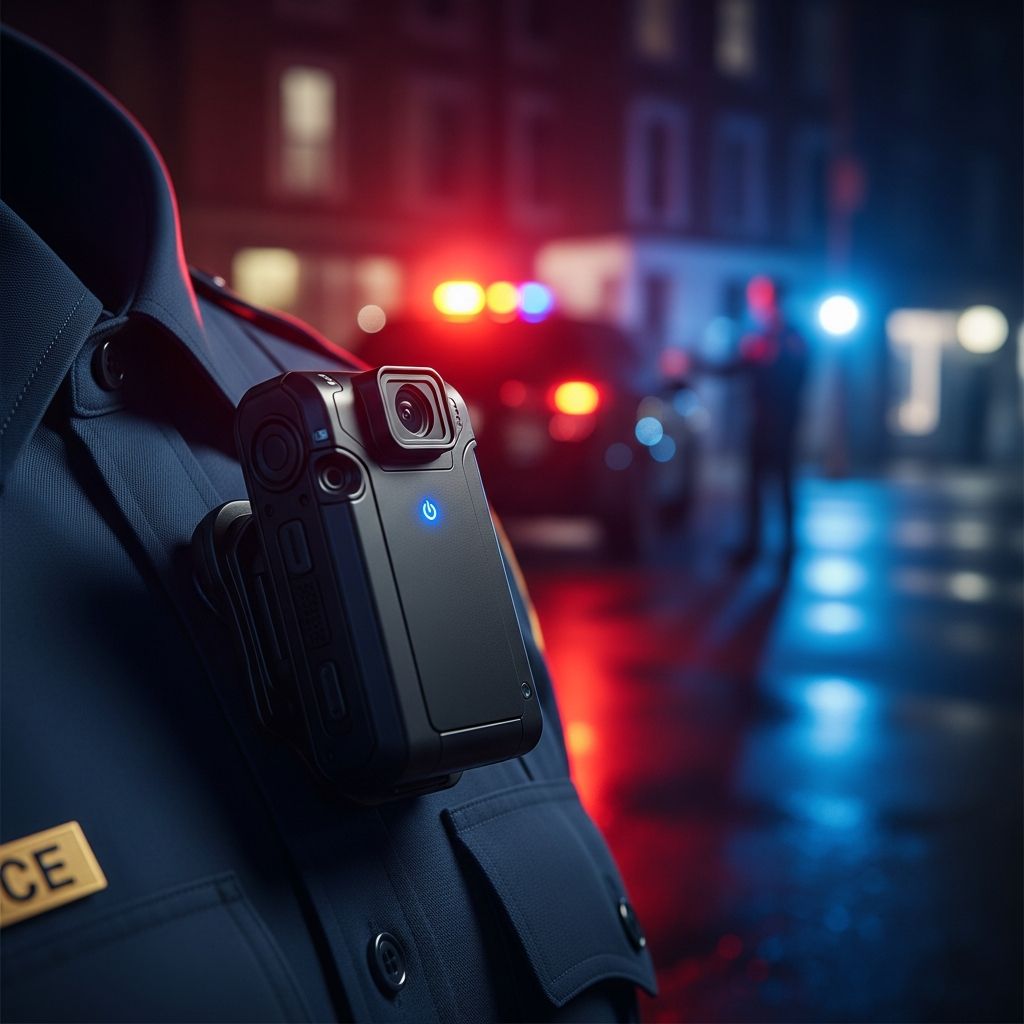
Police body-worn cameras capture critical moments during law enforcement interactions, serving as vital tools for accountability, training, and evidence in legal proceedings. However, determining when departments must release this footage to the public involves navigating a patchwork of state laws, privacy protections, and departmental policies. Without uniform federal standards, access varies widely, balancing transparency with individual rights.
The Rise of Body Cameras in Modern Policing
Body cameras emerged in the early 2010s amid calls for greater police accountability following high-profile incidents. By 2026, most major U.S. police departments equip officers with these devices, recording interactions from traffic stops to arrests. These videos provide objective records, reducing disputes over events and aiding investigations. Yet, public release is not automatic; statutes dictate retention periods and disclosure triggers.
Retention laws ensure footage remains available for review. For instance, Georgia mandates keeping body camera videos for at least 180 days, extending longer for significant events. Minnesota requires a minimum 90-day hold, stretching to a year for force-related incidents or complaints. These periods allow time for potential requests while managing storage costs.
State-by-State Variations in Disclosure Policies
No federal law governs body camera releases, leaving states to set rules. Nine states—Alabama, Arizona, Kansas, Maine, Missouri, North Carolina, South Carolina, Texas, and Wyoming—impose the strictest barriers, often classifying footage as exempt from public records acts unless specific conditions apply. More permissive jurisdictions treat videos as standard public records, subject to exemptions.
Cities exemplify local adaptations. In Orlando and Tampa, Florida, footage falls under Chapter 119 public records laws but exempts recordings from homes, healthcare facilities, or privacy expectation zones. Subjects can authorize release, overriding exemptions. Seattle, Washington, follows the Public Records Act, exempting sensitive content like medical scenes or domestic violence victim identities, though rebuttals are possible with evidence.
| City/State | Retention Period | Public Release Rules | Key Exemptions |
|---|---|---|---|
| Orlando, FL | 90 days | Public records under Ch. 119 | Homes, hospitals, privacy zones |
| Seattle, WA | 60 days | Public Records Act | Residences, minors, victims |
| Tampa, FL | 90 days | Ch. 119 with chief approval | Privacy expectation areas |
| Washington, D.C. | 90 days (3 years for First Amendment) | FOIA with exceptions | Residences, domestic violence |
This table highlights policy diversity, informed by Brennan Center analysis. Departments often require requesters to specify dates, locations, or individuals for efficient searches.
Privacy Protections and Common Exemptions
Privacy is a core barrier to release. Videos from private residences, medical facilities, or areas with ‘reasonable privacy expectations’ are frequently shielded. Florida statutes exemplify this, barring disclosure from homes unless the resident consents or is absent from the footage. Washington’s exemptions cover intimate images, minors, and assault victims, prioritizing safety.
- Residences: Footage inside homes is rarely released post-investigation, as privacy expectations persist.
- Medical Contexts: Hospital scenes or patient interactions demand redaction or withholding.
- Vulnerable Individuals: Minors, victims of violence, or deceased persons trigger protections.
- Ongoing Probes: Active investigations delay access to preserve integrity.
Georgia’s Exception 26.2 sparked debate: a Court of Appeals ruled home footage exempt if privacy exists ‘but for’ police presence, effectively blocking most residential releases even after cases close. A clinic brief urged reversal, arguing exemptions apply only sans pending investigations, but the Supreme Court denied review in 2023.
Recent Legislative Battles Over Access
Transparency debates intensify with bills like Georgia’s SB 482, passed in 2026, restricting mugshots and body cam access. Requesters must identify depicted persons or provide incident details; in-person affidavits apply sans media exemptions. Supporters cite exploitation prevention; critics fear hindered oversight. Credentialed journalists may bypass some hurdles, but delays could impede justice.
Colorado mandates 21-day release post-misconduct complaints, allowing redactions for privacy. D.C.’s mayor can disclose ‘significant public interest’ videos beyond FOIA limits. ACLU model statutes propose swift release (5 days max) for shootings or injuries, barring commercial use.
How to Request Body Camera Footage
Access starts with public records requests, often via FOIA or state equivalents. Specify details like officer name, date, location, or case number to expedite. Expect fees for redaction or copies. Denials must justify exemptions, appealable in court.
- Identify the agency and footage details.
- Submit written request per policy.
- Await response (timelines vary: days to months).
- Appeal denials administratively or judicially.
Victims, attorneys, or civil rights advocates gain priority access in some areas. Georgia requires two-party consent for recording in private spaces like bathrooms, limiting footage creation.
Impact on Accountability and Public Trust
Released footage exposes misconduct, as in viral cases prompting reforms. However, over-restriction erodes trust, while premature releases risk privacy breaches or trial prejudice. Balancing acts evolve: DOJ’s OIG policies guide federal standards, emphasizing malfunction reporting. NCSL tracks laws requiring supervisor notifications for camera issues.
Studies show body cams reduce complaints 17-20%, but release policies influence efficacy. Public interest weighs against individual harms, fostering informed discourse.
Frequently Asked Questions
Does federal law require police to release body cam footage?
No, policies are state- and local-driven without national mandates.
How long must departments keep body camera videos?
Typically 90-180 days minimum; longer for evidentiary or complaint cases.
Can footage from inside a home be released?
Rarely, due to privacy exemptions, unless authorized by subjects.
What if a request is denied?
Appeal via agency process or court, challenging exemption claims.
Are journalists exempt from stricter rules?
In some states like Georgia, credentialed media face fewer barriers.
Future Directions in Policy Reform
Debates continue toward standardization. Proposals include mandatory timelines for critical incidents, AI redaction tools, and victim opt-outs. As technology advances, ensuring equitable access remains paramount for democratic policing. (Word count: 1678)
References
- Clinic urges high court to reverse limits on access to police bodycam recordings — University of Georgia First Amendment Clinic. 2023-07-06. https://firstamendment.law.uga.edu/work/clinic-urges-high-court-to-reverse-limits-on-access-to-police-bodycam-recordings/
- Police Body Camera Policies: Retention and Release — Brennan Center for Justice. (Accessed 2026). https://www.brennancenter.org/our-work/research-reports/police-body-camera-policies-retention-and-release
- Rules on releasing police body-camera footage vary; nine states are most restrictive — National Freedom of Information Coalition. 2021-05-10. https://www.nfoic.org/blogs/rules-on-releasing-police-body-camera-footage-vary-nine-states-are-most-restrictive-according-to-the-hill/
- Georgia bill could limit access to police body cam & mugshots — CBS News Atlanta. 2026. https://www.cbsnews.com/atlanta/news/georgia-bill-could-limit-access-to-police-body-cam-mugshots-as-transparency-debate-grows/
- Understanding police body camera laws by state — Axon. (Accessed 2026). https://www.axon.com/resources/body-camera-laws-by-state
- Important Laws About Georgia Body Cams — Yeargan & Kert LLC. (Accessed 2026). https://www.atlantaduilawyer.com/blog/important-laws-about-georgia-body-cams/
- Georgia Code § 50-18-96 (2024) — Justia. 2024. https://law.justia.com/codes/georgia/title-50/chapter-18/article-5/section-50-18-96/
Similar Articles








Read full bio of Sneha Tete




