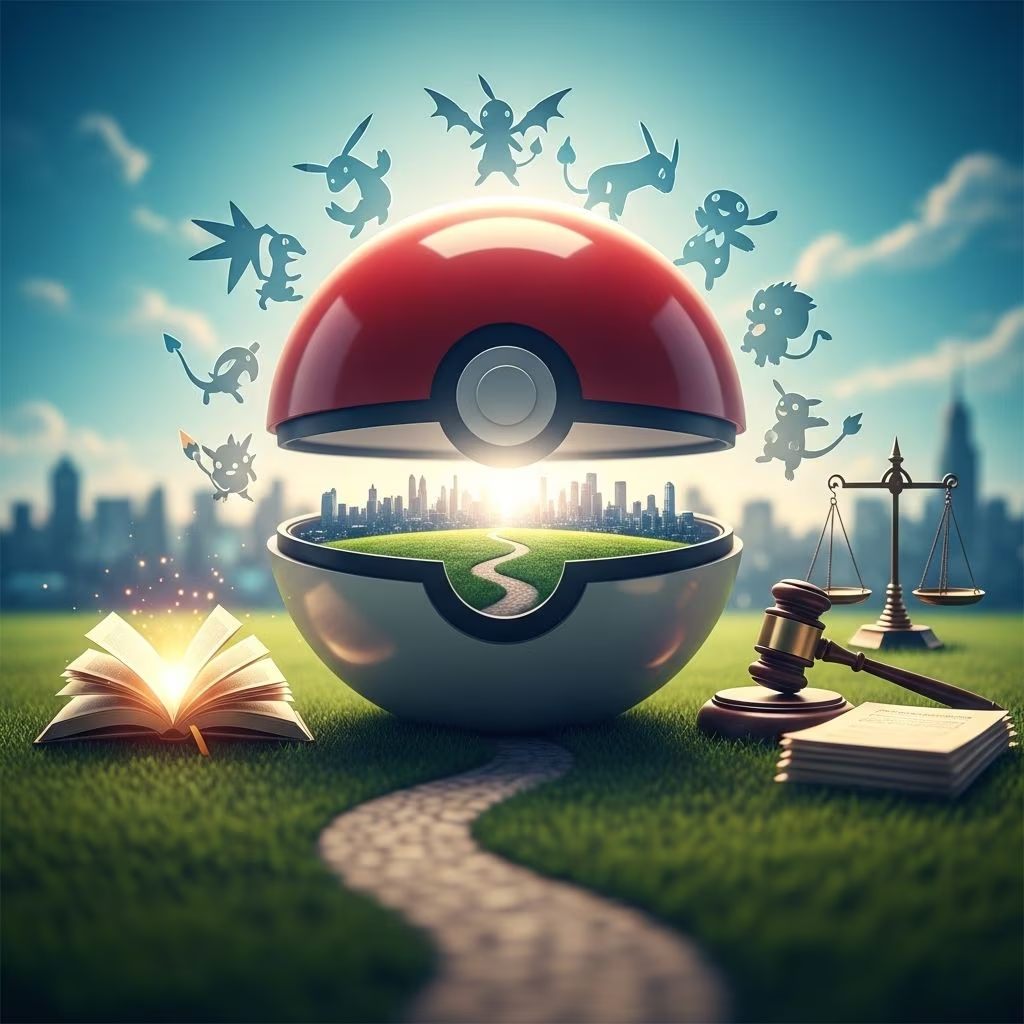
Entrepreneurs often dream of tapping into the massive popularity of franchises like Pokémon, but doing so requires careful navigation of intellectual property laws. This article provides a comprehensive roadmap for starting a business that draws inspiration from Pokémon without inviting costly litigation from The Pokémon Company.
Understanding the Core Intellectual Property Protections
Pokémon is protected by a robust combination of **trademarks** and **copyrights** owned primarily by The Pokémon Company International. Trademarks safeguard brand names, logos, character names like Pikachu, and slogans, preventing consumer confusion about product origins. Copyrights protect the artistic elements, including character designs, game mechanics in expressive forms, and storylines from official media.
Any business using these elements risks claims of infringement if it suggests an official affiliation or copies protected expressions directly. For instance, selling products labeled ‘Pokémon’ or featuring exact replicas of Ash Ketchum could lead to cease-and-desist letters or lawsuits, as these create a false impression of endorsement.
High-Risk Business Ideas and Why They Fail
Certain ventures are particularly vulnerable. Consider these common pitfalls:
- Merchandise Sales: T-shirts, plush toys, or cards mimicking official designs infringe copyrights on artwork and trademarks on names.
- Fan Games or Apps: Replicating Pokémon’s core gameplay with similar creatures and battles copies protected expressions, even if code is original.
- Services Using Brand Names: A trading card shop named ‘PokéHub’ or events branded ‘Pokémon Tournaments’ could confuse customers into thinking they’re official.
- Content Creation: YouTube channels or streams monetizing exact gameplay footage without transformative elements may face takedowns.
These activities often lead to enforcement because they profit directly from the brand’s goodwill, a key factor in IP law.
Safe Alternatives: Inspiration Over Imitation
Success lies in creating original content inspired by Pokémon’s themes—collectible creatures, battles, adventures—without using protected assets. Here’s how:
- Original Creature Designs: Develop your own monsters with unique names, appearances, and lore. A game with ‘Eldritch Beasts’ battling in arenas avoids infringement.
- Parody and Satire: Humorous takes, like a comic poking fun at monster-training tropes, may qualify for fair use protections.
- Generic Themed Products: Sell ‘Monster Collector Cards’ without specific Pokémon references, using abstract artwork.
Transformative works, such as analytical videos discussing Pokémon strategy or fan art sold as ‘inspired by battling pets,’ can sometimes skirt issues if they add new value.
The Power of Licensing: Official Paths to Legitimacy
For direct use, pursue **licensing agreements** from The Pokémon Company. This grants permission to use marks and characters legally. Steps include:
| Step | Description | Timeline |
|---|---|---|
| 1. Research Partners | Review official licensee lists on pokemon.com for manufacturers and partners. | 1-2 weeks |
| 2. Prepare Pitch | Demonstrate business plan, sales projections, and quality controls. | 2-4 weeks |
| 3. Contact Legal Team | Submit inquiries via their IP contact form or agent. | Immediate |
| 4. Negotiate Terms | Agree on royalties (typically 5-15%), territories, and durations. | 1-6 months |
Licensing isn’t cheap—requires minimum guarantees and audits—but enables authentic Pokémon products with marketing support.
Fair Use Doctrine: A Narrow Shield
U.S. fair use allows limited use for criticism, commentary, news, or education without permission. Factors courts consider:
- Purpose: Commercial vs. nonprofit/educational.
- Nature: Factual vs. creative works.
- Amount: Small clips vs. entire characters.
- Market Effect: Does it harm sales of originals?
A review video using 10-second clips to critique game mechanics might qualify, but a full playthrough monetized likely won’t. Always document your transformative intent.
Trademark Clearance Strategies
Before launching, conduct **trademark searches** via USPTO.gov to avoid similar marks. Use names like ‘Critter Clash’ instead of ‘Pocket Monsters.’ Key tips:
- Distinctiveness: Invent fanciful terms, not descriptive ones.
- Disclaimers: Add ‘Not affiliated with Pokémon’ on packaging.
- Monitor Enforcement: Track cease-and-desist trends on forums, but prioritize legal counsel.
Even small businesses grow; Pokémon aggressively protects big targets, per community reports of LGS takedowns.
Real-World Case Studies: Lessons from the Trenches
Examine these anonymized examples:
- Failed TCG Rip Service: A ‘RipNShip Pokémon’ operation was shut down for using branded packaging, leading to $50K in damages.
- Successful Indie Game: ‘Monster Crown’ launched with original demons, earning praise for Pokémon-like vibes without suits.
- YouTube Pivot: A channel shifted from straight playthroughs to lore deep-dives, avoiding demonetization.
These highlight proactive IP strategies pay off.
Practical Steps to Minimize Lawsuit Risks
Build a defensible business:
- Consult an IP Attorney: Early review costs $500-2000 but saves fortunes.
- Document Everything: Keep originality proofs, fair use rationales.
- Insurance: IP defense policies cover legal fees.
- Scale Smart: Start small; monitor for notices before expanding.
- Community Engagement: Join creator discords for enforcement alerts.
Respond promptly to any letters—often just rebrands suffice.
International Considerations for Global Ambitions
Pokémon IP spans 100+ countries. EU trademarks differ; Japan’s strict on character rights. Use WIPO for global searches and localize disclaimers.
Future Trends in Fan Businesses
With NFTs and metaverses, virtual Pokémon-inspired worlds boom. Blockchain games with user-generated assets skirt edges, but The Pokémon Company files DMCA aggressively. Watch for NFT licensing pilots.
Frequently Asked Questions
Can I sell fan art of Pikachu?
No, direct copies infringe copyrights. Create original characters with similar vibes and add ‘fan-inspired’ disclaimers.
Is a Pokémon-themed café legal?
Not without licensing. Use generic ‘monster battle’ themes with your designs to avoid confusion.
What if my business is non-profit?
Even nonprofits risk suits if commercial elements exist. Fair use is case-by-case.
How do I contact Pokémon for licensing?
Visit pokemon.com/legal or email their General Counsel in Bellevue, WA.
Can I use Pokémon names in my domain?
No—cybersquatting invites UDRP takedowns. Opt for descriptive alternatives.
Building Sustainably in a Protected Universe
While direct Pokémon businesses demand licensing, endless opportunities exist in inspired creations. Prioritize originality, legal advice, and ethical practices to thrive long-term in this competitive space.
References
- Information Related to Claims of Copyright Infringement — The Pokémon Company International. Accessed 2026. https://www.pokemon.com/us/legal/copyright
- Trademark Manual of Examining Procedure (TMEP) — United States Patent and Trademark Office (USPTO). 2023-05-01. https://tmep.uspto.gov
- Copyright Basics — U.S. Copyright Office. 2025-01-15. https://www.copyright.gov/circs/circ01.pdf
- Fair Use FAQ — U.S. Copyright Office. 2024-11-20. https://www.copyright.gov/help/faq/faq-fairuse.html
- Intellectual Property Licensing Guide — World Intellectual Property Organization (WIPO). 2023-08-10. https://www.wipo.int/sme/en/ip_business/licensing/licensing.htm