
Launching Your Pet Retail Business: Essential Steps
Complete roadmap for aspiring pet store entrepreneurs: from planning to profitability.
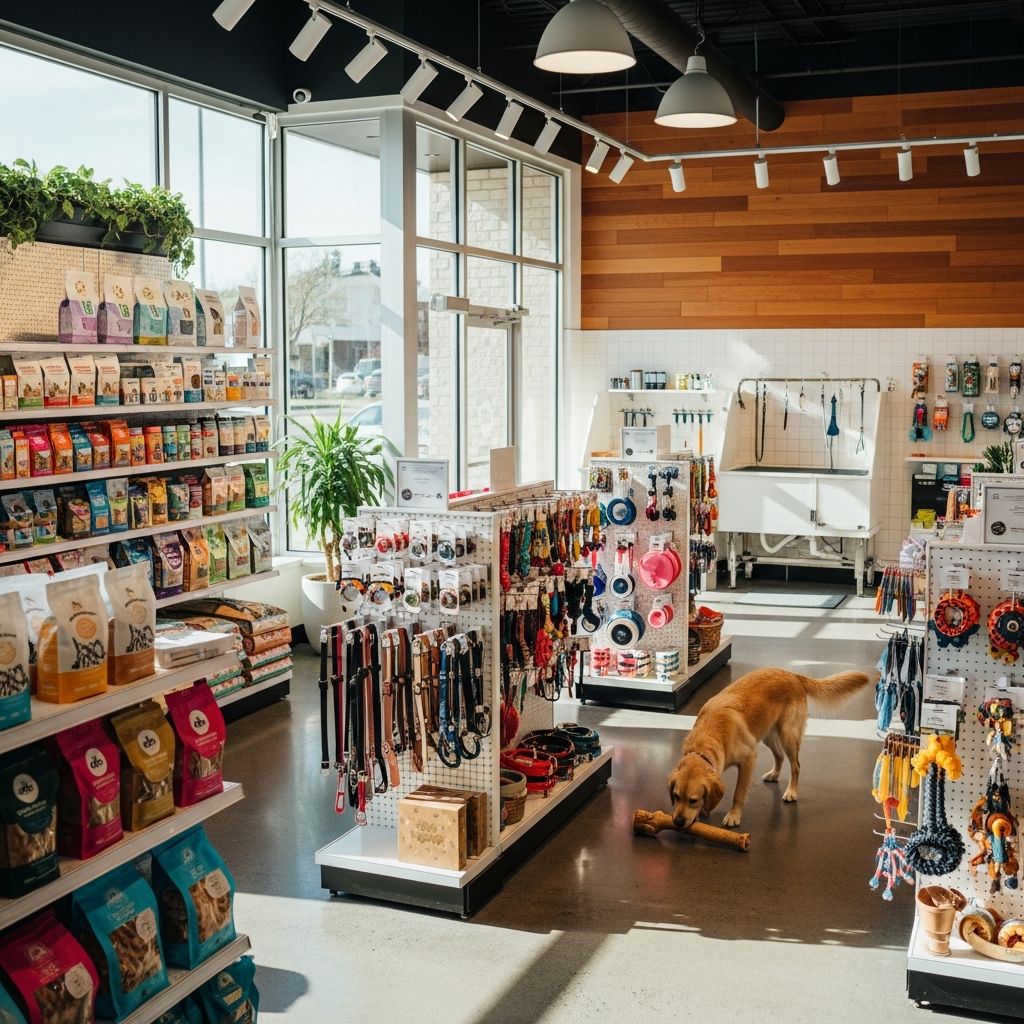
Building Your Pet Retail Foundation: A Comprehensive Startup Blueprint
Opening a pet retail business represents a significant entrepreneurial opportunity in a growing industry. The pet care sector continues to expand as pet ownership increases and consumers spend more on their animal companions. However, success in this competitive field requires careful planning, understanding of regulatory requirements, and strategic execution. This guide walks you through the essential components needed to establish a thriving pet store operation.
Conducting Thorough Market Evaluation and Competitive Analysis
Before committing financial resources to your pet retail venture, you must develop a deep understanding of your local market dynamics. Start by researching the broader pet industry trends and consumer spending patterns. The American Pet Products Association provides valuable data on national pet ownership trends and consumer preferences that can inform your strategic decisions.
Beyond industry-wide statistics, focus on your specific geographic area. Visit local pet establishments, observe their operations, and document their product selections and pricing strategies. Don’t overlook online competitors like major e-commerce platforms that may already serve your target market. This comprehensive competitive analysis helps you identify market gaps and opportunities where your store can differentiate itself.
Engage directly with potential customers to understand their needs:
- Interview 20-30 local pet owners about their shopping preferences and current satisfaction levels
- Survey customers at dog parks, pet-friendly venues, and residential areas about product gaps
- Document the types of pets most prevalent in your target neighborhood
- Identify which product categories command premium pricing in your area
- Research seasonal shopping patterns that may affect your inventory decisions
Create a competitive matrix documenting nearby pet retailers, their market positioning, and their apparent customer bases. This analysis becomes invaluable when crafting your unique value proposition and determining which customer segments remain underserved in your community.
Developing a Strategic Business Framework and Financial Plan
A comprehensive business plan serves as both your operational roadmap and a critical document for securing financing. Your plan should articulate your store’s mission, target customer demographics, and competitive positioning. Rather than generic descriptions, your plan must reflect insights gained from your market research.
Your financial projections should address several key areas:
- Startup capital requirements including lease deposits, equipment, initial inventory, and working capital
- Monthly operating expenses including rent, utilities, payroll, insurance, and supplier costs
- Revenue projections based on realistic customer acquisition and average transaction values
- Break-even analysis indicating when your business will become profitable
- Cash flow projections for the first 24 months of operation
Prioritize essential inventory investments rather than stocking every available product. Premium dog and cat foods, basic treats, and fundamental supplies should form your core offerings. Expand into specialty items only after establishing steady sales patterns and cash flow stability. This conservative approach prevents capital from becoming tied up in slow-moving inventory.
Navigating Legal Structure and Regulatory Compliance
Pet retail businesses operate within a framework of state and federal regulations designed to ensure animal welfare and business legitimacy. Your first priority involves establishing your business as a legal entity. This typically includes registering a business name, obtaining a federal Employer Identification Number, and registering for state sales tax collection.
Pet-specific regulatory requirements are particularly important:
- Animal Welfare Act licensing requirements apply if you sell live animals
- USDA Animal and Plant Health Inspection Service certification may be required depending on the types of animals you offer
- State-specific pet dealer licenses and permits vary by jurisdiction
- Health department permits ensure compliance with sanitation standards
- Zoning verification confirms your location permits pet retail operations
Consult with a local business attorney and accountant who understand pet retail regulations in your specific state. These professionals help ensure you navigate complex licensing requirements correctly, avoid costly violations, and establish proper financial record-keeping systems. Many states have small business development centers that provide free guidance on startup compliance.
Selecting Your Retail Location and Store Setup
Location decisions fundamentally impact your business success. Seek retail spaces between 1,500 and 3,000 square feet, sized appropriately for your initial product range without excessive overhead. High foot traffic areas near residential neighborhoods, veterinary clinics, dog parks, or animal rescue organizations provide natural customer flow.
When evaluating potential locations, consider these factors:
| Location Factor | Considerations |
|---|---|
| Foot Traffic | Visit at different times to assess customer volume and demographic composition |
| Visibility | Ensure good signage visibility from main roads and clear access from parking areas |
| Competition Proximity | Avoid locations directly adjacent to established chain pet retailers |
| Parking Accessibility | Adequate parking encourages customer visits, particularly important for bulk purchases |
| Zoning Classification | Verify commercial zoning explicitly permits pet retail operations |
When negotiating your lease, address animal-specific requirements upfront. Request clauses covering proper ventilation to manage odors, potential soundproofing needs, and protection against water damage from grooming or aquatic areas. Present landlords with a detailed management plan addressing these concerns, demonstrating your professionalism and commitment to being a responsible tenant.
Equipping Your Store and Managing Initial Inventory
Your equipment investments establish the operational foundation. Primary equipment costs typically break down as follows:
- Display shelving systems: $3,000 to $8,000
- Point-of-sale technology: $2,000 to $5,000
- Specialized fixtures for grooming services: $1,500 to $6,000
- Cage and tank systems for live animals: Variable based on offerings
- Climate control and air filtration: $1,000 to $4,000
Establish relationships with reputable wholesale distributors early in your planning process. Request catalogs and understand minimum order quantities before committing to purchases. Many distributors offer better terms as your purchase volume increases, so starting conservatively allows you to expand as your sales patterns emerge.
When stocking your initial inventory, focus on popular staples rather than niche items. Premium dog and cat foods, basic toys, and essential supplies generate reliable sales. Niche products with lower turnover can strain cash flow without generating proportional revenue. Many new retailers make the mistake of over-investing in specialty items before establishing a solid customer base.
Creating Your Brand Identity and Competitive Positioning
Successful pet stores distinguish themselves through clear brand positioning. Rather than attempting to compete with established chains on price and selection breadth, create a unique identity that resonates with your target market. Potential positioning strategies include specializing in organic or natural pet products, emphasizing sustainable sourcing, offering artisan or locally-made items, or providing specialized services.
Your brand identity should be reflected in:
- Store layout and design that creates a welcoming environment
- Staff expertise and training in specialized product categories
- Product curation that targets specific customer values or pet types
- Service offerings that add value beyond basic retail sales
- Community engagement and partnership with local animal organizations
Consider offering complementary services that differentiate your operation. Grooming services, pet training consultations, dog walking, or self-service wash stations add revenue streams while increasing customer loyalty. These services create reasons for customers to visit repeatedly and build deeper relationships with your brand.
Prioritizing Animal Welfare and Store Standards
Customers increasingly make purchasing decisions based on their perception of how you treat animals in your care. Store cleanliness, odor management, and visible animal welfare standards directly influence customer trust and repeat business.
Establish and maintain rigorous animal care protocols:
- Daily cleaning and sanitization of all animal housing
- Fresh water and food provided at least twice daily
- Proper temperature and humidity control for all species
- Regular veterinary oversight for housed animals
- Staff training on species-specific care requirements
- Transparent animal care policies posted for customer visibility
Beyond live animals, maintain exceptional cleanliness throughout your store. Professional appearance, controlled odors, and organized displays demonstrate respect for customers and their pets. This attention to environmental quality becomes a competitive advantage, particularly as more consumers prioritize ethical consumption.
Building Customer Acquisition and Retention Strategies
Your marketing approach must drive initial customer awareness and build lasting loyalty. Launch your store with a grand opening event that generates community excitement and attracts pet owners. Partner with local animal shelters or rescue organizations for cross-promotion opportunities that align with customer values while supporting worthy causes.
Your customer acquisition toolkit should include:
- Grand opening event featuring local animal rescue partnerships
- Optimized Google Business Profile with accurate information and appealing photography
- Targeted social media advertising focusing on local pet owners
- Referral partnerships with local veterinarians and professional groomers
- Email marketing system capturing customer contact information at checkout
- Loyalty programs incentivizing repeat purchases
Many new retailers underestimate the importance of email marketing. Collecting customer emails at the point of sale enables you to build direct communication channels independent of social media algorithms. Monthly newsletters featuring pet care tips, new product announcements, and special offers keep your store top-of-mind while driving repeat visits.
Developing Ongoing Operations and Success Metrics
Track key performance indicators that reveal your business health. Monitor inventory turnover rates, gross profit margins by product category, customer acquisition costs, and customer lifetime value. These metrics guide decisions about product mix adjustments, pricing strategies, and marketing investments.
Establish a system for collecting customer feedback about your product selection and service quality. Direct feedback from customers provides insights that market data cannot reveal, helping you refine your offerings based on actual customer needs rather than assumptions.
Frequently Asked Questions
Q: What is the typical startup capital needed for a pet store?
A: Startup costs vary based on location, store size, and services offered, but typically range from $50,000 to $150,000. This includes lease deposits, equipment, initial inventory, licensing, insurance, and working capital. Detailed financial planning based on your specific circumstances provides accurate estimates.
Q: Do I need special licenses to sell live animals?
A: Yes, the Animal Welfare Act requires licensing if you sell live animals. Many states also require additional pet dealer licenses. The USDA Animal and Plant Health Inspection Service may require certification. Check your state’s specific requirements and consult with a business attorney to ensure full compliance.
Q: How can I compete with large chain pet stores?
A: Differentiate through specialized product selection, superior customer service, expert staff knowledge, unique services, and community engagement. Focus on customer segments underserved by large chains rather than trying to match their pricing and breadth of inventory.
Q: What inventory should I prioritize initially?
A: Focus on high-demand staples like premium dog and cat foods, basic treats, toys, and supplies. These items generate reliable cash flow and establish customer relationships. Expand into specialty products only after establishing steady sales patterns.
Q: How important is location for a pet retail business?
A: Location is critically important. Choose areas with high foot traffic near residential neighborhoods, veterinary clinics, dog parks, or animal rescues. Good visibility and accessibility directly influence customer volume and long-term success.
References
- American Pet Products Association Market Research — APPA. Accessed 2026. https://www.americanpetproducts.org/
- Animal Welfare Act and Regulations — United States Department of Agriculture. 2023. https://www.aphis.usda.gov/animal_welfare
- Small Business Administration Startup Guide — U.S. Small Business Administration. 2025. https://www.sba.gov/business-guide/
- Retail Location Selection Best Practices — International Council of Shopping Centers. 2024. https://www.icsc.org/
Similar Articles








Read full bio of medha deb




