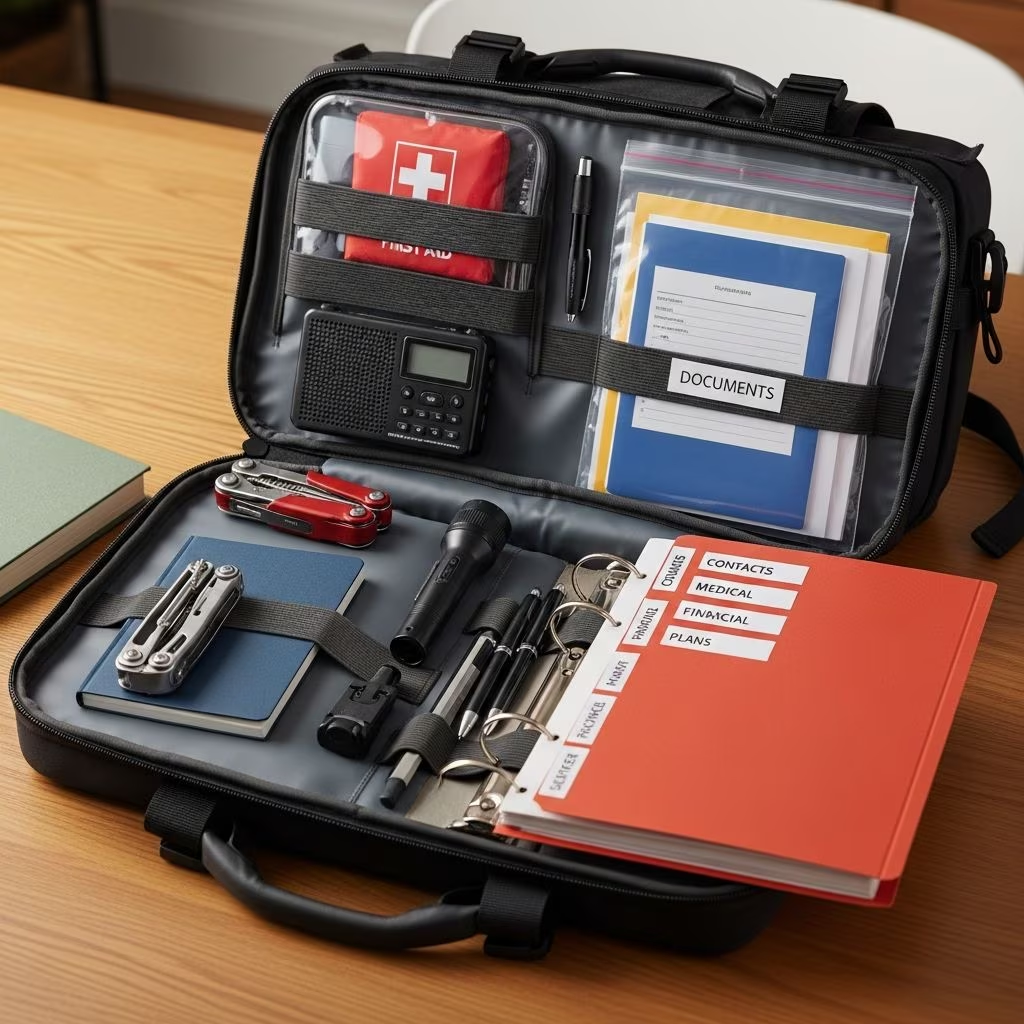
Understanding Personal Emergency Documentation
Life is unpredictable, and emergencies can strike when we least expect them. Whether you’re traveling abroad, commuting through unfamiliar territory, or simply going about your daily routine, having a well-organized collection of personal information readily available can make an extraordinary difference in critical situations. An emergency information package serves as a comprehensive repository of vital details that law enforcement, medical professionals, and trusted individuals can access quickly if something unexpected occurs.
This type of documentation has become increasingly important in our modern world, where response times can determine outcomes and proper identification can expedite assistance. By proactively compiling this information, you’re not just helping authorities locate and identify you—you’re also providing medical professionals with crucial health details and ensuring your family has immediate access to essential contact information during moments of crisis.
The Foundation: Personal Identification Materials
The cornerstone of any emergency information package consists of comprehensive personal identification documentation. This section should contain multiple forms of identification to account for various scenarios and jurisdictional requirements.
Photographic Identity Documents: Begin by including certified copies of your passport, driver’s license, and any state or national identification cards you possess. These documents establish your legal identity and are essential for authorities conducting searches or investigations. Include both front and back copies to capture all relevant information and security features.
Biometric Information: Your package should include a recent, high-resolution photograph showing your current appearance. This image should be taken within the last year and clearly display your facial features without excessive filters, sunglasses, or obstructions. Consider including photographs from multiple angles and in different lighting conditions to provide a comprehensive visual reference.
Physical Descriptors: Document distinguishing physical characteristics that might aid in identification efforts. This includes detailed descriptions of any visible tattoos with their specific locations and designs, scars, birthmarks, or other identifying marks. Include measurements such as height and weight, eye color, hair color, and any notable physical features.
Document Numbers: Compile all relevant identification numbers in one accessible location: your social security number, passport number, driver’s license number, and any other government-issued identification numbers. Including these streamlines the verification process and reduces the time needed for confirmation of identity.
Building Your Communication Network
During emergencies, establishing connections between authorities and your support system is critical. Your package should contain a comprehensive list of individuals who should be notified and contacted.
Primary Emergency Contacts: List immediate family members, spouses, or domestic partners first, followed by adult children and close relatives. Include their full names, relationships to you, multiple phone numbers, email addresses, and residential addresses for each person. Prioritize this list by order of contact preference.
Secondary Support Network: Add trusted friends, colleagues, neighbors, or community members who know you well and could provide valuable information to authorities. These individuals can help authorities understand your typical patterns, locations you frequent, and whether your disappearance is out of character.
Professional Contacts: Include contact information for your primary healthcare provider, dentist, therapist or counselor if applicable, attorney, accountant, or financial advisor. These professionals can provide crucial context about your life, habits, and circumstances that might be relevant during an investigation.
Verification Details: For each contact, include not only their phone numbers but also their email addresses, social media handles if known, workplace information, and the best times to reach them. Note any access codes, passwords to shared accounts, or methods of identifying yourself that these contacts might need.
Travel and Location Documentation
If you travel frequently, whether for work or leisure, your emergency package should contain detailed itinerary information that helps others understand your whereabouts and expected movements.
Trip Details: For each planned journey, include comprehensive travel information such as flight numbers and confirmation codes, departure and arrival airports or border crossings, hotel names and reservation confirmation numbers, and the complete dates of your travel. This information helps authorities narrow down search locations and understand your expected movements.
Activity Information: Document any planned activities, tours, excursions, or events during your travels. Include contact information for tour operators, guides, activity centers, or event venues. If you’re meeting specific individuals during your travels, include their contact information and relationship to you.
Alternative Accommodations: If you’re staying with friends or family members, include their full contact information and address details. Note any backup lodging arrangements, temporary housing situations, or alternative accommodations you might access.
Vehicle Information: Include detailed descriptions of any vehicles you regularly operate, including make, model, year, color, and license plate number. Provide high-resolution photographs of your vehicle’s exterior, interior, and license plate. Document the Vehicle Identification Number (VIN) and any distinctive modifications or features.
Medical and Health Information
Your medical history represents critical information that emergency responders and medical professionals need to provide appropriate care during emergencies.
Chronic Conditions: List all ongoing medical conditions, including diagnoses, when they were diagnosed, and your treating physicians. Include information about conditions like diabetes, heart disease, respiratory conditions, neurological disorders, or mental health diagnoses that affect emergency response protocols.
Medication Details: Compile a complete list of all medications you take regularly, including prescription medications, over-the-counter medications, and supplements. For each medication, include the name, dosage, frequency of administration, and the prescribing physician. Note when you last filled each prescription.
Allergies and Adverse Reactions: Document all known drug allergies, food allergies, and environmental allergies. Describe the specific reactions you experience with each allergen—whether they’re mild rashes or severe anaphylactic reactions. Include any non-allergic adverse reactions to medications or substances.
Healthcare Provider Information: Include names, phone numbers, fax numbers, and addresses for your primary care physician, specialists you see regularly, dentist, and optometrist. Note your patient identification numbers with each healthcare provider and provide your insurance information.
Hospital Preferences: If you have preferences regarding hospitals or medical facilities, document these clearly. Include the names and locations of your preferred hospitals and any prior hospital records or surgeries that might be relevant to medical professionals.
Financial Records and Asset Information
During emergencies, family members or authorities may need access to your financial information to manage accounts, prevent fraud, or locate resources.
Banking Information: List all bank accounts you maintain, including the institution name, account type, account number, and routing number. Include both checking and savings accounts. Note the primary point of contact at each institution and provide account opening dates.
Credit and Debit Cards: Document all credit cards and debit cards you actively use, including card numbers (or at minimum, the last four digits for security purposes), expiration dates, and customer service phone numbers. Include the cardholder agreement information and any special features or fraud protection provisions.
Investment and Retirement Accounts: Include information about any brokerage accounts, retirement accounts (401k, IRA, etc.), college savings plans, or investment accounts. Provide account numbers and the institutions where these accounts are held.
Insurance Policies: Document all insurance policies you maintain, including health insurance, auto insurance, homeowners or rental insurance, life insurance, and disability insurance. Include policy numbers, coverage amounts, and customer service contacts for each policy.
Important Account Access: Create a secure list of usernames, security questions, or access codes for important accounts (without storing actual passwords in an unsecured location). Include information about your email accounts, which often serve as recovery mechanisms for other accounts.
Legal Documents and Preferences
Certain legal documents should be included in your emergency package to ensure your wishes are known and legally binding documents are accessible.
Will and Testament: Include a copy of your current will, identifying your executor, beneficiaries, and wishes regarding asset distribution. Keep the original in a safe location and note where it’s stored in your emergency package.
Power of Attorney: Include copies of any financial power of attorney documents designating someone to manage your financial affairs, and healthcare power of attorney documents designating someone to make medical decisions on your behalf.
Living Will or Advance Directive: Include your advance medical directives documenting your preferences regarding end-of-life care, organ donation preferences, and medical decision-making authority.
Custody and Guardian Information: If you have minor children or dependents, clearly specify custody arrangements, guardianship preferences, and care instructions in your emergency package.
Securing and Maintaining Your Emergency Package
Storage Considerations: Your emergency information package should be stored in a secure location that balances accessibility with security. Options include a home safe, safe deposit box at your bank, or with a trusted family member who can quickly retrieve it if needed. Consider storing encrypted digital copies with trusted individuals.
Regular Updates: Review and update your emergency package at least annually, or whenever significant life changes occur. Update contact information when people move or change phone numbers, add new medications or healthcare providers, and revise travel plans as they change.
Access Instructions: Ensure trusted individuals know where your emergency package is stored and how to access it. Leave clear instructions about who should be contacted and which information should be released to authorities.
Digital Considerations
In today’s digital landscape, consider maintaining both physical and digital versions of your emergency information. Digital versions should be encrypted and stored securely, with backup copies accessible to trusted individuals. Many people use secure document storage services, encrypted cloud storage, or password-protected files to maintain digital copies.
Frequently Asked Questions
Q: How often should I update my emergency information package?
A: Update your package at least annually, or immediately after major life changes such as moving, changing phone numbers, starting new medications, getting married or divorced, or experiencing changes in employment.
Q: Who should have access to my emergency package?
A: Share access with trusted family members, your spouse or partner, your attorney, or designated emergency contacts. Ensure at least two people know where your package is stored and how to retrieve it.
Q: Should I include financial passwords in my emergency package?
A: Avoid storing actual passwords in your physical emergency package. Instead, use password manager services that can be securely accessed by designated family members, or store passwords in a separate encrypted digital location.
Q: What’s the difference between an emergency package and a go-bag?
A: An emergency package contains documented information and records, while a go-bag contains physical supplies and items needed for evacuation or emergency situations. Both are valuable for different types of emergencies.
Q: Can I use a digital-only emergency package?
A: Yes, many people maintain both digital and physical versions. Digital packages are convenient for frequent updates and can be shared securely with trusted individuals, but ensure you have reliable backup systems and encryption.
References
- The Ultimate “If I Go Missing Folder” Template and Checklist — HelpYouFind.me. 2024. https://helpyoufind.me/blog/the-ultimate-if-i-go-missing-folder-template-and-checklist/
- What are the 5 Most Important Things to Have in an In Case I Go Missing Folder — Savor.us. 2024. https://savor.us/blogs/news/what-are-the-5-most-important-things-to-have-in-an-in-case-i-go-missing-folder
- If I Go Missing — Crime Junkie Podcast. 2022. https://crimejunkiepodcast.com/wp-content/uploads/2022/02/CJP-If-I-Go-Missing-2022-Editable.pdf