
Public Park Yoga Permits: Quick Guide For Instructors In 2025
Navigate local regulations, insurance needs, and best practices for legally hosting yoga sessions in public parks and green spaces.
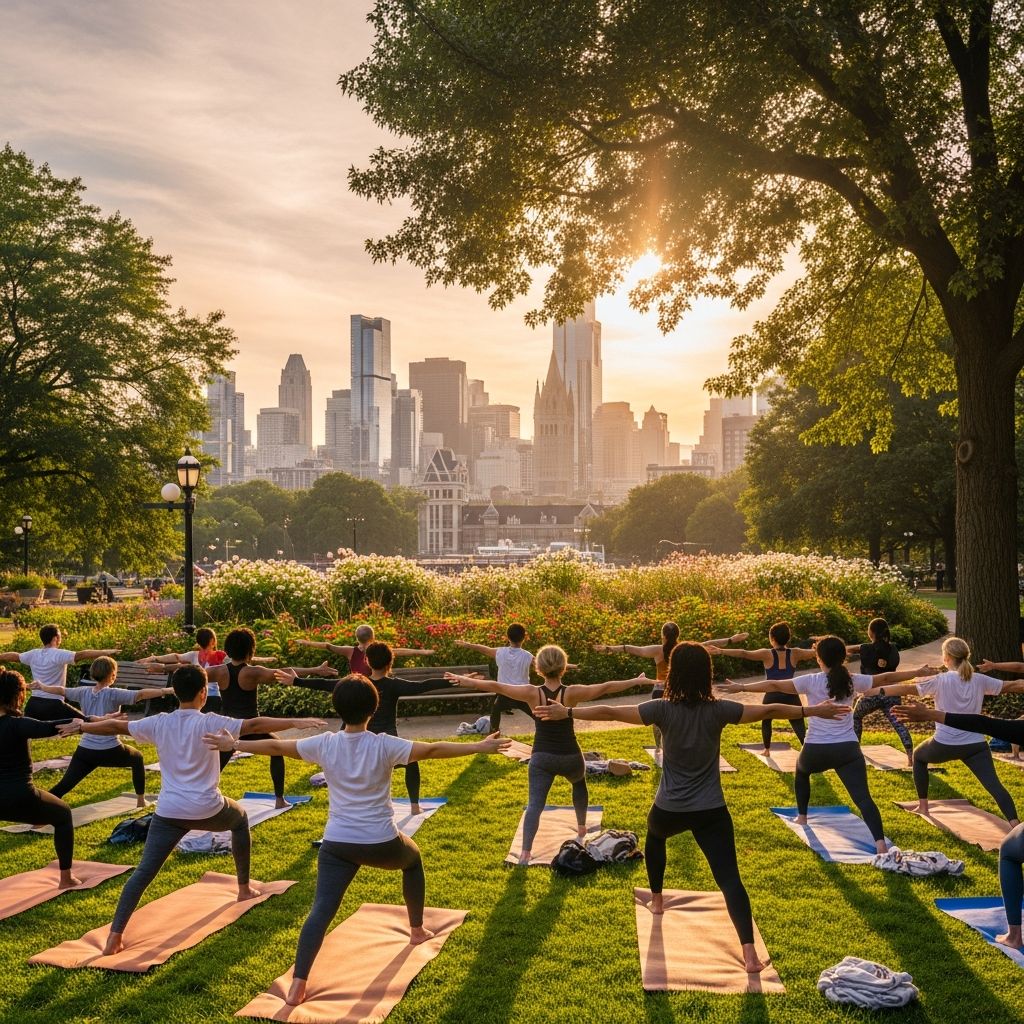
Teaching yoga in public parks offers a refreshing way to connect with nature and community, but it often requires navigating local regulations to operate legally. Most municipalities mandate permits for structured fitness activities like yoga classes to manage public space usage, ensure safety, and prevent overuse of green areas.
Why Permits Matter for Public Yoga Sessions
Public parks belong to everyone, so organized activities must balance participant benefits with general access. Without proper authorization, instructors risk fines, class shutdowns, or bans from venues. Permits help cities track usage, coordinate schedules, and maintain order.
- Public Safety: Ensures classes don’t block pathways or create hazards.
- Fair Access: Prevents any group from monopolizing spaces.
- Revenue Management: Some areas charge fees to fund maintenance.
Regulations vary widely by location, from free registrations to paid commercial licenses. Always verify with local parks departments, as rules evolve with community needs.
Common Permit Requirements Across Cities
Fitness instruction in parks typically falls under “commercial use” categories, even for donation-based classes. Here’s a breakdown of typical stipulations drawn from various municipal policies.
| City Example | Permit Trigger | Key Limits | Fee Structure |
|---|---|---|---|
| Austin, TX | Regular instructor-led classes | Yoga, fitness consultants allowed | Application-based; insurance required |
| Fate, TX | Groups over 4 participants; paid services | Max 49/class, 30 hrs/week | $100 or 20% of fees |
| Dallas, TX | Any sales of goods/services | Separate food permits if applicable | Reservation office handles |
These examples illustrate how even small gatherings can trigger oversight if they involve instruction or fees. Free, informal sessions might skirt rules, but consistency blurs into “regular” programming.
Step-by-Step Guide to Securing Permits
Start early—many departments require 30+ days’ notice for review. Follow these steps for smooth approval:
- Research Ownership: Confirm if the space is city, state, or private land. Contact parks/rec departments via official sites.
- Review Local Codes: Search for “park fitness permits” or “commercial use policies” on government portals.
- Prepare Documentation: Gather proof of insurance, class details (size, frequency, fees), and site maps.
- Submit Application: Online portals are common; include waivers for participants.
- Secure Insurance: Minimum $1M general liability, naming the city as additional insured.
- Follow Up: Track status and comply with site inspections if required.
Pro tip: Build relationships with parks staff for preferred scheduling and renewals.
Insurance Essentials for Outdoor Teaching
Your yoga certification doesn’t cover liability in public spaces. Specialized policies protect against slips on uneven grass or weather-related incidents. Providers like Yoga Alliance note that standard policies often extend outdoors, but confirm coverage explicitly.
- Update Disclaimers: Add clauses for natural hazards like roots, weather, or insects.
- Minimum Coverage: $1M per occurrence, as seen in Fate, TX guidelines.
- Additional Insured: List the park authority to satisfy permit terms.
Without this, a single injury could lead to lawsuits far exceeding class revenues.
Location-Specific Rules and Restrictions
Not all park areas suit yoga. Policies prohibit zones with conflicting uses to protect amenities.
Prohibited Areas
- Playgrounds and sports courts.
- Splash pads, pavilions, picnic zones.
- Walkways, trails (unless designated), parking lots.
Equipment Limits
Avoid items that damage turf or endanger others, such as heavy tires, cables, or tree attachments. Mats and straps are usually fine if portable.
Noise and Access
Keep voices low to respect noise ordinances. Never block public entry—classes must yield to walkers.
Free vs. Paid Classes: Regulatory Differences
Donation-based or free sessions sometimes qualify for waivers, but if you advertise or lead regularly, expect scrutiny. Dallas requires permits for any service sales, while Austin covers donation models under commercial use. Track participant numbers: over 4-5 often mandates fees.
State Parks and Broader Jurisdictions
State-managed lands have stricter protocols. Texas Parks and Wildlife demands permits for structured activities impacting resources, with peer-reviewed applications taking 30-60 days. Focus on low-impact sites and submit detailed plans.
Potential Penalties for Non-Compliance
Violations range from warnings to hefty fines or criminal charges under municipal codes. Repeat offenders lose access privileges. Proactive compliance builds goodwill for future events.
Best Practices for Successful Outdoor Yoga
Beyond permits, thrive by planning smart:
- Weather Checks: Have rain plans and communicate via apps.
- Community Engagement: Promote inclusivity to gain park support.
- Sustainability: Leave no trace—pack out trash, respect flora.
- Scalability: Start small to test locations before expanding.
Many instructors partner with parks for official programs, sharing proceeds for mutual benefit.
Frequently Asked Questions
Do I need a permit for casual, one-off yoga in a park?
Informal drop-ins often don’t require one, but regular schedules do. Check local definitions of “organized activity.”
How far in advance should I apply?
Plan for 30 days minimum; state areas may need 60.
Can I teach for free without permits?
Even free classes may need registration if grouped and led.
What if my class charges donations?
Treated as commercial in many spots—disclose in applications.
Does yoga insurance cover parks automatically?
Verify with your provider; update for outdoor risks.
Expanding Your Outdoor Yoga Business Legally
Once permitted, scale by offering series, workshops, or corporate sessions. Network with event planners for festivals (separate permits needed). Document everything for tax deductions on fees and insurance.
Teaching outdoors fosters wellness in accessible spaces, but respect for rules ensures longevity. Consult attorneys for complex setups, especially multi-city operations.
References
- Do I need a permit to teach in an outdoor space? — Yoga Alliance Professionals. Accessed 2026. https://www.yogaallianceprofessionals.org/knowledge/do-i-need-a-permit-to-teach-in-an-outdoor-space
- Parks permits for fitness and health instruction — City of Austin. Accessed 2026. https://www.austintexas.gov/services/request-permit-fitness-and-health-instruction-city-park
- Permit Guidelines for use of City Park (Personal Trainer & Fitness Class) — City of Fate, TX. Accessed 2026. https://www.fatetx.gov/DocumentCenter/View/2098/Fitness-Class-Use-Policy
- Frequently Asked Questions – Dallas Park and Recreation — Dallas Parks. Accessed 2026. https://www.dallasparks.org/faq.aspx?TID=21
- Want to Teach Outdoor Yoga? It Might Cost You — Yoga Journal. Accessed 2026. https://www.yogajournal.com/teach/outdoor-yoga-permits/
- State Park Scientific Study Permit — Texas Parks and Wildlife Department. Accessed 2026. https://tpwd.texas.gov/state-parks/park-information/scientific-study-permit
Similar Articles








Read full bio of medha deb




