
Permits for Distributing Flyers: Legal Essentials
Navigate the legal requirements for handing out or posting flyers to avoid fines and ensure compliant promotion.
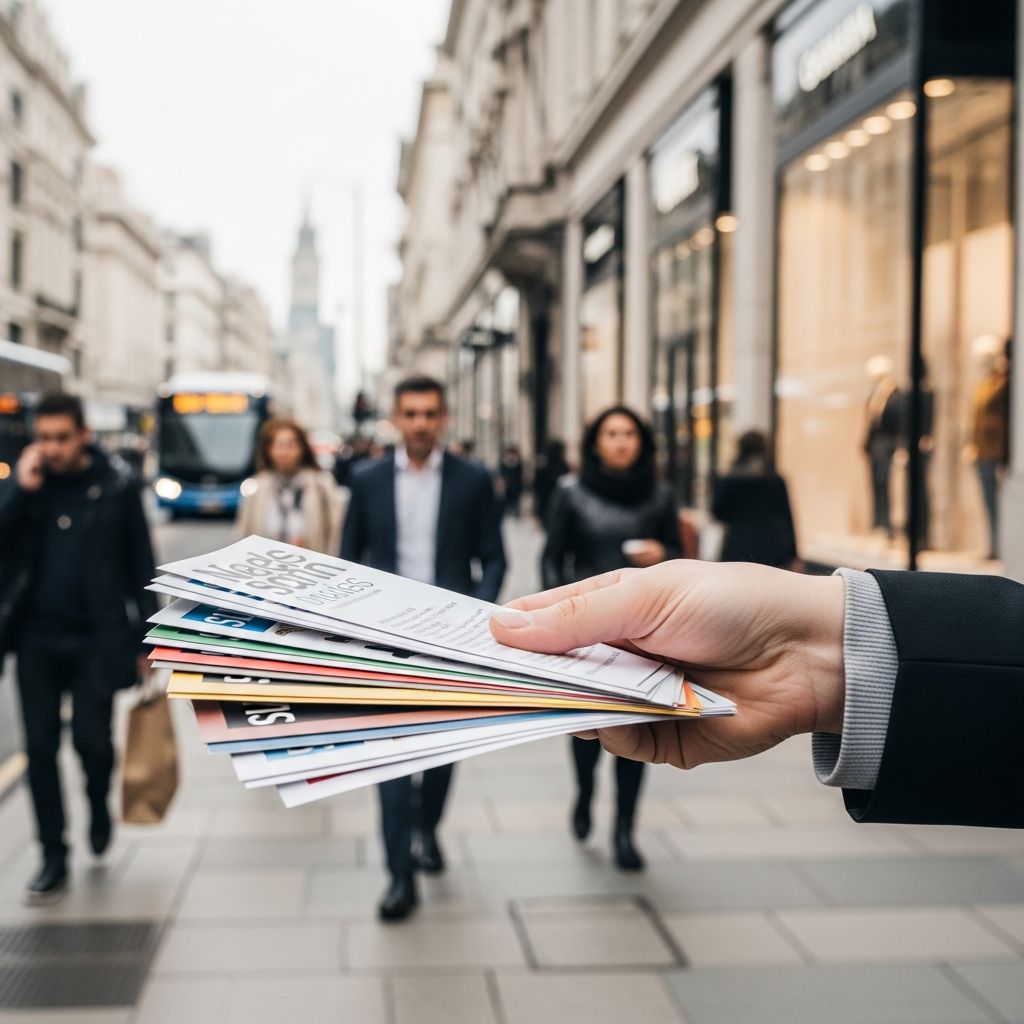
Handing out flyers remains a cost-effective way to promote events, businesses, or causes, but legal hurdles like permits can complicate efforts. Regulations vary by location, protecting public spaces from litter and ensuring safety. This guide explores when permits are required, permissible distribution spots, prohibited areas, and strategies for compliance.
Understanding Flyer Distribution Regulations
Local governments enact ordinances to regulate flyer handouts and postings, balancing free speech with community standards. These rules prevent visual clutter, reduce cleanup costs, and safeguard infrastructure. Violators often face fines ranging from $50 to several hundred dollars per incident, depending on the jurisdiction.
Key factors influencing regulations include the distribution method—handing out on sidewalks versus posting on poles—and the location, whether public or private property. First Amendment protections apply to non-commercial speech, but commercial promotions face stricter commercial speech rules. Always verify local codes via city websites or clerks’ offices.
When Do You Need a Permit for Flyer Handouts?
Not every flyer distribution requires a permit, but many scenarios do. Public sidewalks generally allow handing out flyers without permission in most U.S. cities, as they qualify as traditional public forums. However, permits become necessary for:
- Large-scale distributions blocking pedestrian traffic or high-traffic areas.
- Events involving amplified sound, tents, or structures alongside handouts.
- Distributions in federal buildings or properties managed by agencies like the General Services Administration.
For organized campaigns, cities like Los Angeles or San Francisco may require temporary event permits if more than a few people participate. Application processes involve submitting plans detailing location, duration, number of participants, and cleanup measures. Fees typically range from $25 to $200, with processing times of 1-4 weeks.
Approved Locations for Posting Flyers
Selecting compliant spots maximizes visibility while minimizing risks. Focus on designated or permission-granted areas:
- Public Bulletin Boards: Libraries, community centers, and town halls often feature free boards for local announcements.
- Retail and Grocery Stores: Ask managers for counter space or windows; many welcome relevant promotions.
- Educational Institutions: Universities provide student union boards; K-12 schools restrict to staff-approved notices.
- Laundromats and Coffee Shops: High-traffic private spots usually grant permission readily if flyers appeal to patrons.
Table of Common Approved Spots:
| Location Type | Permission Needed | Best For |
|---|---|---|
| Community Centers | Usually none for boards | Local events |
| College Campuses | Facilities office | Student activities |
| Post Offices | Often bulletin boards | Public notices |
| Business Counters | Owner approval | Commercial ads |
Pro tip: Create removable flyers with tabs for contact info to encourage take-one displays.
Restricted and Prohibited Areas for Flyers
Certain places carry strict no-posting rules to preserve aesthetics and safety. Avoid:
- Utility Poles and Street Signs: Prohibited nationwide for electrical hazards and visibility issues; fines up to $1,000 in some areas.
- Private Property: Homes, fences, or business exteriors without explicit owner consent—trespass violations apply.
- Vehicles and Parking Lots: Placing under wipers often violates anti-litter laws; many lots ban it outright.
- Parks and Playgrounds: Trees, benches, or structures usually forbidden unless permit-approved kiosks exist.
Even hand-to-hand distribution faces limits near schools, hospitals, or during rush hours to prevent disruptions.
Navigating City-Specific Rules
Regulations differ sharply by municipality. Here’s a breakdown:
| City | Key Rules | Fines | Permit Process |
|---|---|---|---|
| New York City | No poles/buildings; kiosks only | $75+ | Online via NYC DOT |
| Chicago | Public property ban sans consent; 30-day removal | Varies | City clerk approval |
| Los Angeles | Sidewalk OK; posting needs permit | $250 | Online portal |
| Small Towns | Often stricter; check codes | $50-500 | Local government |
For outdoor advertising near highways, states like Georgia require Department of Transportation permits with zoning certifications. Suburban areas may encourage local postings but demand prior approval.
Step-by-Step Guide to Obtaining Permits
- Research Local Ordinances: Search “[City] flyer distribution permit” or browse municipal codes online.
- Contact Authorities: Call city hall, parks department, or use permit portals in progressive cities.
- Prepare Application: Include event details, site map, insurance proof, and fees.
- Get Private Permissions: Secure written OKs from property owners.
- Plan Cleanup: Commit to removing materials post-event.
- Monitor Compliance: Train distributors on rules.
Digital tools like online portals streamline applications in places like Seattle. For pop-up style distributions, special event permits cover public space use. Allow 30-90 days for complex approvals.
Alternatives to Traditional Flyer Posting
If permits prove challenging, consider:
- Door-to-Door Delivery: Legal on public sidewalks; knock only with resident invites.
- Direct Mail: Targeted and permit-free.
- Digital Flyers: Social media, email blasts complement physical efforts.
- Partner Drops: Collaborate with venues for in-house displays.
Hybrid approaches boost ROI while dodging regulations.
Consequences of Non-Compliance
Ignoring rules risks immediate removal, citations, and criminal misdemeanor charges in repeat cases. Businesses face damaged reputations, while individuals pay out-of-pocket fines. Proactive compliance builds trust and sustains campaigns.
Frequently Asked Questions (FAQs)
Do I need a permit to hand out flyers on public sidewalks?
Generally no for small-scale activities, but yes if blocking access or part of events. Check local codes.
Can I place flyers on cars in parking lots?
Often illegal under litter ordinances; always get lot owner permission.
Is posting on apartment bulletin boards allowed?
Yes, with property manager approval; respect resident-only rules.
What if I’m promoting a non-profit event?
May qualify for exemptions, but verify with authorities—commercial rules differ.
How do I remove old flyers legally?
Remove promptly to avoid fines; some cities mandate within 7-30 days.
Best Practices for Effective, Legal Promotion
Design eye-catching, informative flyers with clear calls-to-action. Use eco-friendly paper to appeal to regulators. Track success via unique codes or QR scans. Build relationships with local businesses for ongoing placements. By prioritizing legality, your campaign thrives sustainably.
References
- Where can I post flyers legally? A comprehensive guide — Think Flyers. 2023. https://thinkflyers.com/blog/where-can-i-post-flyers-legally-a-comprehesive-guide
- The Ultimate List of Places to Distribute Flyers — PsPrint. 2023. https://www.psprint.com/resources/ultimate-list-of-places-to-distribute-your-flyers/
- Pop-Ups: Permits & Legal Requirements — Promobile Marketing. 2023. https://promobilemarketing.com/blog/pop-up-permits-legal-guide
- GAC – Chapter 672-6 GRANTING, RENEWAL, AND REVOCATION OF PERMITS FOR OUTDOOR ADVERTISING — Georgia Secretary of State. 2024-01-01. https://rules.sos.ga.gov/gac/672-6
- 41 CFR 102-74.415 — What is the policy for posting and distribution of materials? — eCFR (U.S. Government Publishing Office). 2026. https://www.ecfr.gov/current/title-41/subtitle-C/chapter-102/subchapter-C/part-102-74/subpart-C/subject-group-ECFR7c2fd366592a03c/section-102-74.415
Similar Articles








Read full bio of Sneha Tete




