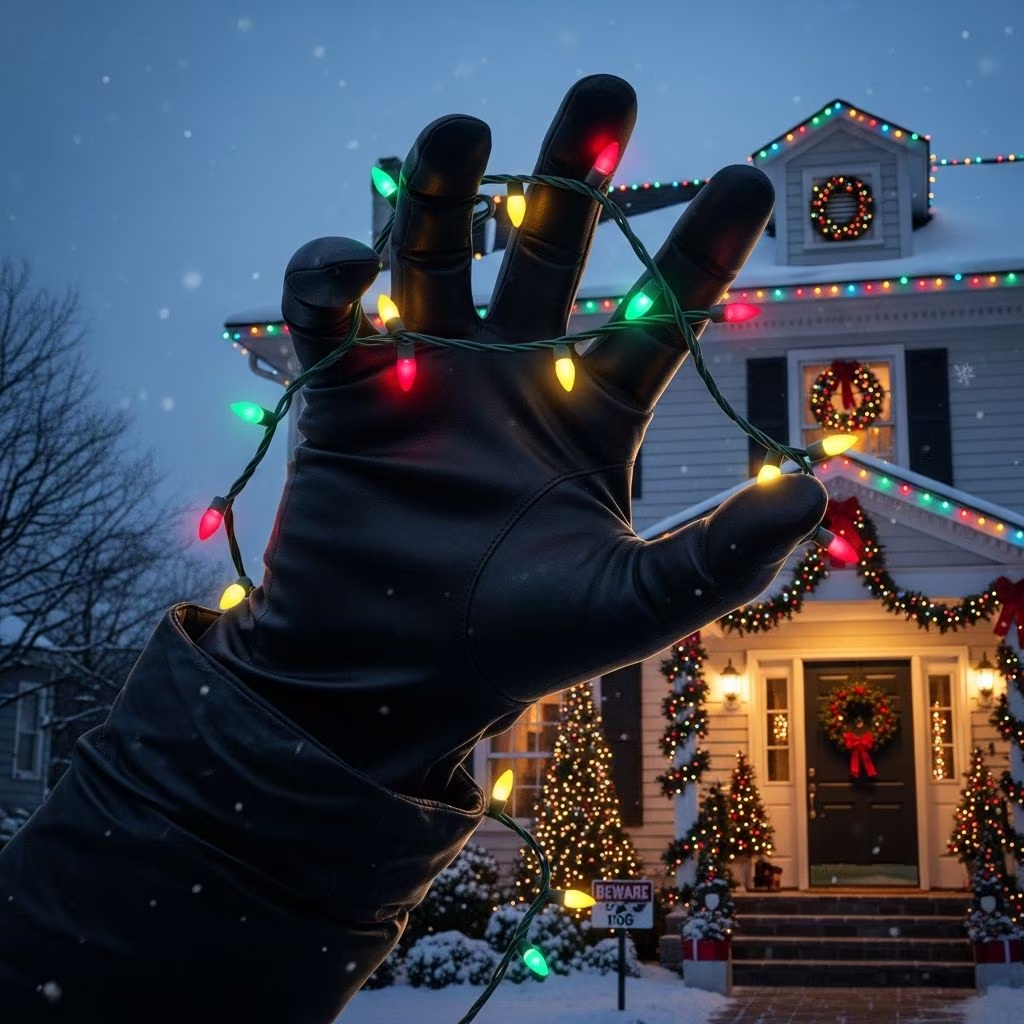
Holiday decorations like twinkling lights, oversized inflatables, and glowing reindeer brighten neighborhoods each winter, but they also attract thieves seeking quick gains. Stealing these items isn’t just a minor prank—it’s theft under the law, with penalties scaling from fines to prison based on value and circumstances. This article breaks down the legal framework, real examples, and protective measures to keep your holiday spirit safe.
Understanding Theft Classifications in the Holiday Context
Theft laws vary by jurisdiction, but most U.S. states categorize stolen goods by monetary value to determine charges. Holiday decorations often fall into petty theft territory due to their modest individual costs, though cumulative value from multiple items can escalate matters.
- Petty Theft: Typically for items under $500–$1,000, punished as misdemeanors with fines up to $1,000 and jail up to one year.
- Grand Theft: For higher values, treated as felonies with multi-year prison sentences and steeper fines.
- Aggregation Rules: Courts may combine values from a ‘theft spree’ to bump charges higher.
Inflatables might cost $100–$300 each, light strands $20–$50, and custom displays thousands, pushing cases toward serious territory if multiple pieces are taken.
State-by-State Breakdown of Decor Theft Penalties
Laws differ significantly across states. Here’s a comparison table of common thresholds and penalties:
| State | Petty Theft Threshold | Max Fine (Petty) | Max Jail (Petty) | Grand Theft Threshold |
|---|---|---|---|---|
| California | $950 | $1,000 | 6 months | Over $950 |
| Texas | $2,500 | $4,000 | 1 year | Over $2,500 |
| Florida | $750 | $1,000 | 60 days | Over $750 |
| New York | $1,000 | $1,000 | 1 year | Over $1,000 |
| Illinois | $500 | $2,500 | 1 year | Over $500 |
Note: These are general guidelines; local ordinances and prior records influence outcomes. For instance, repeat offenders face enhanced penalties.
Real-Life Cases: When Holiday Grinches Face Court
News stories highlight the real risks. In Maryland, a family racked up $650 in HOA fines—not criminal, but illustrative of community backlash—over disputed Christmas lights deemed nuisances by their association. While not theft, it shows how decorations spark disputes.
Criminal cases abound too. Phoenix reports emphasize that ‘stealing Christmas’ can lead from misdemeanor to felony, with potential prison time, urging accused parties to seek defense counsel immediately. Online forums buzz with theft reports, noting police deprioritize sub-$1,000 cases, yet victims still pursue charges. One viral incident involved a man caught on camera hauling away $800 in lights, charged with misdemeanor theft but facing restitution and community service.
Factors That Aggravate Holiday Theft Charges
Not all thefts are equal. Prosecutors consider:
- Intent and Method: Nighttime prowling or tools like bolt cutters signal burglary intent, worsening charges.
- Victim Impact: Stealing from elderly or low-income homes adds emotional weight, possibly elevating to ‘vulnerable victim’ enhancements.
- Prior Convictions: A clean record might mean diversion programs; felons face mandatory minimums.
- Resale Attempts: Selling stolen goods online triggers separate fencing charges.
During peak season, police increase patrols, boosting arrest likelihood via Ring cameras and neighbor watches.
Defenses and Legal Strategies for the Accused
If charged, don’t speak without a lawyer. Common defenses include:
- Lack of Intent: Claiming mistaken belief the items were abandoned.
- Value Disputes: Arguing decor worth less than charged threshold.
- Alibi or Video Evidence: Challenging identification.
- Plea Bargains: Reducing to infractions with fines only.
Experienced attorneys negotiate restitution—repaying victims—to avoid jail. Juveniles often get probation or community service, like cleaning parks.
Preventing Your Decorations from Becoming Someone Else’s Trophy
Proactive steps minimize risks:
- Secure Mounting: Use stakes, zip ties, and heavy bases resistant to quick grabs.
- Tech Deterrents: Motion lights, cameras, and alarms notify your phone instantly.
- Community Vigilance: Share watch groups on apps like Nextdoor.
- Insurance Coverage: Home policies often reimburse stolen decor; document values with photos.
- Strategic Placement: Keep valuables close to house windows.
Forums recommend UV markers for hidden serial numbers aiding recovery.
The Broader Impact of Seasonal Theft on Communities
Beyond individuals, theft dampens holiday cheer. Neighborhoods lose festive unity, HOAs grapple with violations like Maryland’s case where lights drew fines despite no theft. Economically, Americans spend $8 billion yearly on decor; theft contributes to rising costs as replacements strain budgets.
Psychologically, victims feel violated in their sanctuaries. Studies link petty crime spikes to holiday stress, with thieves targeting easy marks amid darkness and distraction.
What to Do If You’re a Victim of Decor Theft
Act swiftly:
- File a police report with photos, serials, and estimates.
- Check local pawn shops and online marketplaces.
- Preserve evidence like footprints or video.
- Contact insurer promptly.
Even if police deem it low-priority, reports build cases for patterns, leading to arrests.
Frequently Asked Questions About Holiday Decor Theft
Is stealing a $30 string of lights a crime?
Yes, it’s petty theft, potentially fined $250+ and community service.
Can HOA rules override theft laws?
No, but HOAs fine violations independently, as in Maryland’s $50/day light penalties.
What if kids take decorations as a prank?
Juveniles face juvenile court; parents may pay restitution.
Does video evidence guarantee conviction?
It strengthens cases but requires clear identification and chain of custody.
Are there federal penalties for interstate decor sales?
Rarely, but crossing state lines with stolen goods invokes federal wire fraud if online.
Navigating Insurance and Recovery After Theft
Most homeowners policies cover outdoor theft up to $1,000–$2,500 deductibles applied. File claims with receipts; appraisers value custom work. Some insurers offer seasonal riders for high-end displays. Recovery rates hover at 20–30%, boosted by tracking tech.
In conclusion—wait, no formal wrap-up needed—but arming yourself with knowledge deters crime and ensures justice if victimized.
References
- HOA vs. Christmas decorations: Maryland family facing hundreds in fines — ABC News4. 2023-12-15. https://abcnews4.com/news/nation-world/homeowners-association-hoa-germantown-maryland-salgado-family-christmas-lights-decorations-hundreds-dollars-fines-penalties-exclusive-stories
- Prevent Stolen Decorations — Do It Yourself Christmas Forum. 2023-11-20. https://doityourselfchristmas.com/forum/index.php?threads/prevent-stolen-decorations.57543/
- Accused of Stealing Christmas? — Lerner and Rowe Law Group. 2024-10-01. https://lernerandrowelawgroup.com/accused-of-stealing-christmas/
- California Penal Code Section 484-488 (Theft Laws) — California Legislative Information (.gov). 2025-01-01. https://leginfo.legislature.ca.gov/faces/codes_displaySection.xhtml?lawCode=PEN§ionNum=484.
- Texas Penal Code Chapter 31 (Theft) — Texas Statutes (.gov). 2024-09-01. https://statutes.capitol.texas.gov/Docs/PE/htm/PE.31.htm