
Penalties for Illegal Dumping: Laws and Consequences
Understand the severe fines, jail time, and other penalties for illegal dumping across U.S. states and federal law.
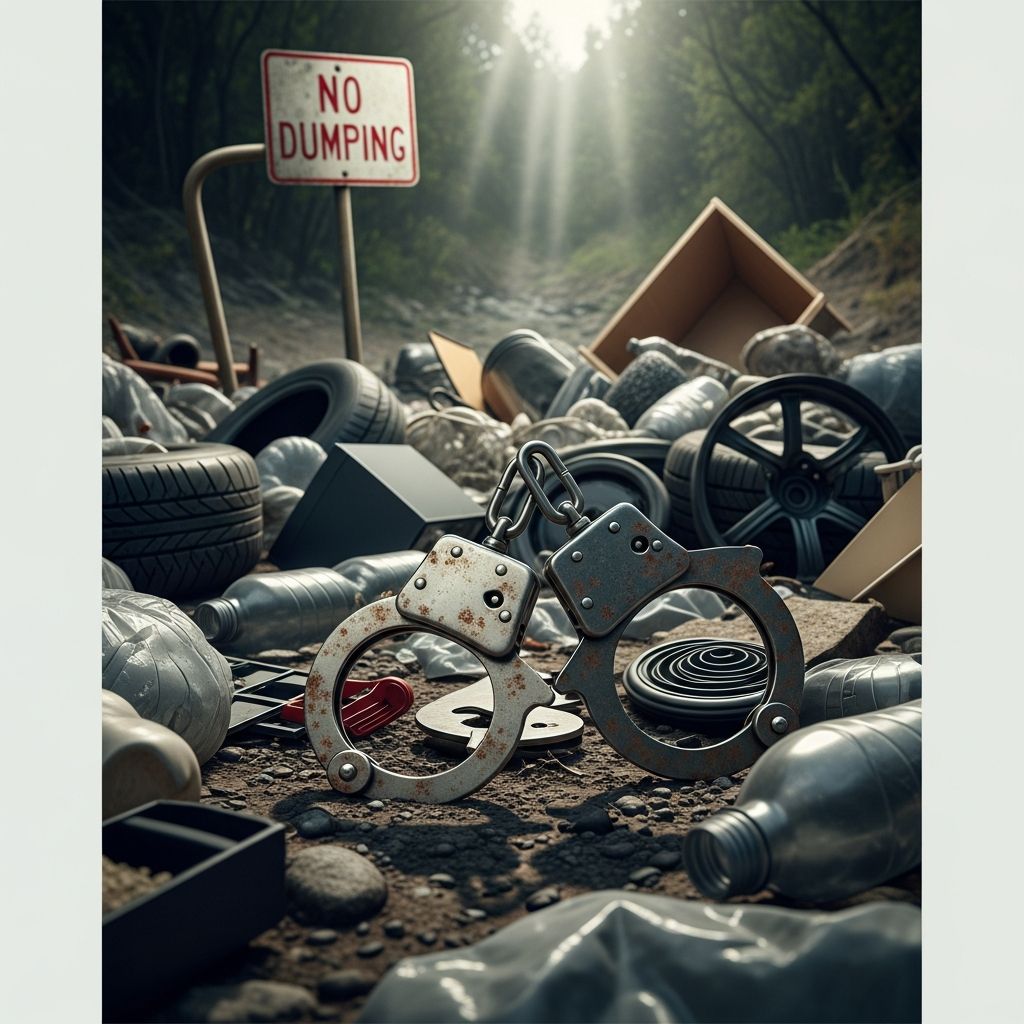
Illegal dumping, often referred to as fly-tipping or littering on a larger scale, poses significant threats to public health, wildlife, and the environment. Across the United States, laws strictly prohibit discarding waste on public or private property without authorization. Penalties vary by jurisdiction but commonly include substantial fines, imprisonment, community service, and responsibility for cleanup costs. This article delves into the nature of these violations, state-specific punishments, federal implications, and strategies for avoidance.
Defining Illegal Dumping and Its Scope
Illegal dumping involves the unauthorized disposal of waste materials, ranging from household trash to construction debris and hazardous substances, on land, roadsides, or waterways. It differs from minor littering by the volume and intent, often requiring deliberate transport to the site. Governments classify it under environmental protection statutes, vehicle codes, and criminal codes to deter pollution and preserve natural spaces.
- Common waste types: household garbage, appliances, tires, building materials, and chemicals.
- Locations targeted: roadsides, vacant lots, forests, rivers, and private property.
- Key distinction: even small amounts can qualify if done knowingly without permits.
Authorities use surveillance, witness reports, and vehicle tracking to identify offenders, making enforcement increasingly effective with modern technology.
General Framework of Penalties Nationwide
Penalties for illegal dumping typically escalate based on factors like waste volume, type (especially hazardous), prior offenses, and whether committed by individuals or businesses. Misdemeanor charges apply to minor cases, while felonies arise for large-scale or dangerous dumps. Courts often impose:
- Fines: From hundreds to tens of thousands of dollars, sometimes accruing daily until remediation.
- Incarceration: Up to one year for misdemeanors; longer prison terms for felonies.
- Community service: Hours picking up litter or cleaning sites.
- Restitution: Covering government cleanup expenses.
- Asset forfeiture: Seizure of vehicles used in the act.
These measures aim not only to punish but to restore affected areas and compensate public resources spent on abatement.
State-Specific Penalty Breakdown
Laws differ significantly by state, reflecting local environmental priorities and enforcement capacities. Below is a detailed examination of key examples.
California’s Strict Enforcement Measures
In California, Penal Code 374.3 criminalizes dumping on public or private property with fines up to $10,000. Health and Safety Code Section 117555 adds up to six months in jail for violators. Los Angeles County enhances this with ordinances allowing sheriff seizure of involved vehicles, targeting repeat offenders in high-problem areas like the Antelope Valley.
Pennsylvania’s Tiered Criminal Approach
Pennsylvania employs a multi-layered system under its Crimes Code (Title 18, Chapter 65) and Vehicle Code. First offenses under §6501(a)(1-2) are summary offenses with $50-$300 fines plus 5-30 hours of trash pickup. Repeat offenses become misdemeanors with $300-$1,000 fines and 30-100 hours service. For trash haulers (§6501(a)(3)), penalties jump to $500-$10,000 fines and up to five years imprisonment. Fines double in Litter Enforcement Corridors and triple for commercial waste. Vehicle seizure is possible.
| Law Section | Offense Type | Fine Range | Other Penalties |
|---|---|---|---|
| PA Vehicle Code Ch. 37 | Summary | $300-$900 | 8-80 hours pickup; doubled in corridors |
| Crimes Code §6501(a)(1-2) | Summary/Misdemeanor | $50-$1,000 | 5-100 hours pickup; up to 90 days jail |
| Crimes Code §6501(a)(3) | Misdemeanor | $500-$10,000 | Up to 5 years; vehicle seizure |
North Carolina’s Severe Daily Fines
North Carolina imposes fines up to $15,000 per day per violation under Solid Waste Management Rules, treating improper disposal—including burning or burying without permits—as serious offenses. Repeat or large-scale dumping can escalate to Class I felonies, holding generators, haulers, and site operators accountable.
Philadelphia’s Civil Prosecution Model
In Philadelphia, recent initiatives have led to $5,000 fines per large item plus full cleanup costs, as seen in a case totaling over $10,700. This approach targets short-dumpers and businesses aiding them, emphasizing abatement responsibility.
Federal Laws and Interstate Considerations
Federal jurisdiction activates for dumping on federal lands, hazardous waste under the Resource Conservation and Recovery Act (RCRA), or interstate commerce violations. Penalties mirror state structures but can reach higher due to environmental impact. Misdemeanors carry up to one year jail; felonies involve prison time and fines in thousands. Hazardous waste or large quantities often trigger felony status, especially for businesses or repeaters.
Factors Influencing Charge Severity
Courts consider several elements to determine misdemeanor vs. felony:
- Volume: Small bags may be misdemeanors; truckloads felonies.
- Hazardous content: Chemicals or medical waste amplify risks.
- Offender status: Businesses face stricter scrutiny.
- Priors: History converts minor acts to major crimes.
- Environmental harm: Threats to health or ecosystems worsen outcomes.
Cleanup orders often accompany fines, with daily accruals until compliance.
Real-World Examples and Enforcement Trends
Enforcement has intensified with cameras, drones, and public reporting apps. In Pennsylvania, Act 62 (2018) bolstered penalties and designated high-risk corridors. Philadelphia’s Streets Department successfully prosecuted a dumper for over $10,000, signaling a shift toward civil recoveries. North Carolina stresses permitted facilities, warning against outdated practices like open burning.
Defenses and Legal Recourse for the Accused
If charged, common defenses include lack of intent, necessity (e.g., emergencies), or property owner permission. Evidence like receipts from legal dumpsites helps. Consulting a criminal defense attorney early is crucial, as negotiations can reduce charges to infractions with fines only. Plea deals often involve community service over jail.
Preventive Measures and Proper Disposal Options
Avoid penalties by using designated facilities:
- Municipal landfills and transfer stations.
- Recycling centers for metals, electronics, tires.
- Hazardous waste events sponsored by local governments.
- Paid hauling services with manifests.
Many areas offer free bulky item pickups. Apps and websites locate nearest sites, ensuring compliance.
Frequently Asked Questions (FAQs)
Is illegal dumping always a criminal offense?
Not always; minor cases may be civil infractions with fines, but larger or hazardous dumps are criminal misdemeanors or felonies.
What if I dump on my own property?
Even private land requires permits for large volumes or burial; violations still incur penalties if visible or leaching.
Can vehicles be confiscated for dumping?
Yes, in places like California and Pennsylvania, law enforcement can seize vehicles used in the act.
How do fines calculate for ongoing dumps?
Some states, like North Carolina, assess daily until cleaned, potentially reaching $15,000 per day.
Does business dumping carry higher penalties?
Yes, commercial waste often triples fines and invites felony charges due to greater responsibility.
Illegal dumping undermines community cleanliness and burdens taxpayers with cleanup. By understanding these laws, individuals and businesses can prioritize legal disposal, avoiding life-altering consequences.
References
- Illegal Dumping – CleanLA — Los Angeles County. Accessed 2026. https://cleanla.lacounty.gov/illegal-dumping/
- Illegal Dumping: Laws & Penalties — Criminal Defense Lawyer. Accessed 2026. https://www.criminaldefenselawyer.com/crime-penalties/federal/Illegal-Dumping.htm
- Pennsylvania Littering and Illegal Dumping Laws — Keep PA Beautiful. Accessed 2026. https://www.keeppabeautiful.org/programs/illegal-dump-free-pa/pennsylvania-littering-and-illegal-dumping-laws/
- Streets Department Announces Successful Prosecution — City of Philadelphia. 2022-10-26. https://www.phila.gov/2022-10-26-streets-department-announces-successful-prosecution-of-illegal-dumper/
- Laws and Enforcement — Keep PA Beautiful. Accessed 2026. https://www.keeppabeautiful.org/programs/illegal-dump-free-pa/laws-and-enforcement/
- You Can Be Fined Up To $15,000 Per Day Per Violation — NC DEQ. Accessed 2026. https://www.deq.nc.gov/waste-management/dwm/sw/field-operations/illegal-dumping/illegaldumpinginfo/download
- Section 6501 – Title 18 – CRIMES AND OFFENSES — PA Legislature. Accessed 2026. https://www.palegis.us/statutes/consolidated/view-statute?TTL=18&DIV=00.&CHAPTER=065.&SECTION=001.&SUBSCTN=000.
Similar Articles








Read full bio of Sneha Tete




