
Penalties for False Statements to Congress
Understand the severe legal consequences of making false statements to Congress, from fines to imprisonment under federal law.
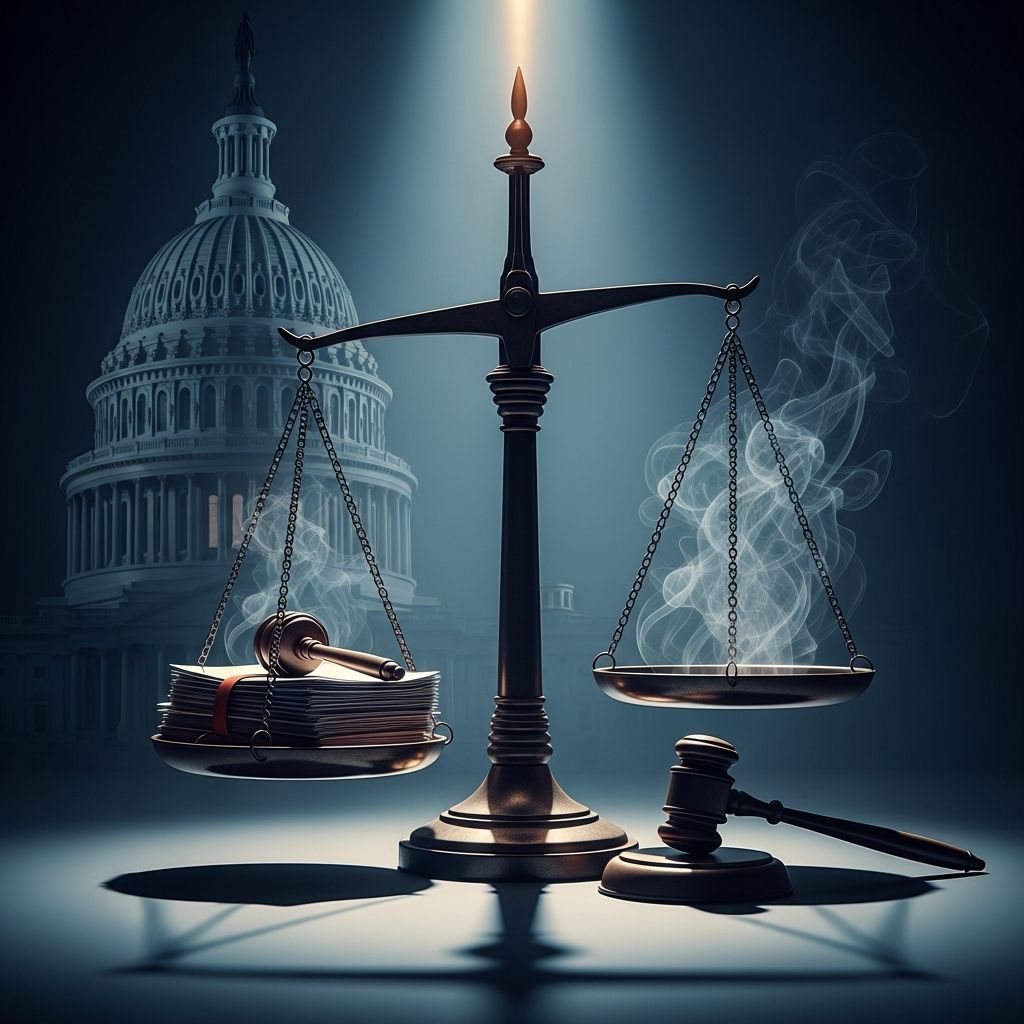
Making false statements to Congress is a serious federal offense under U.S. law, carrying potential prison time, hefty fines, and lasting reputational damage. Unlike perjury, which requires an oath, false statements can lead to charges even without sworn testimony, governed primarily by 18 U.S.C. § 1001.
Core Legal Framework: 18 U.S.C. § 1001 Explained
At the heart of prosecutions for lying to Congress lies 18 U.S.C. § 1001, which criminalizes knowingly and willfully making materially false, fictitious, or fraudulent statements in any matter within the jurisdiction of the executive, legislative, or judicial branches of the federal government. This statute applies broadly, encompassing congressional hearings, written submissions, and responses to committee inquiries, regardless of whether the individual is under oath.
The elements of a § 1001 violation are precise: the statement must be knowingly false, meaning the speaker understands it to be untrue; it must be material, with a natural tendency to influence the government’s decision-making; and it must pertain to a subject under federal jurisdiction. Prosecutors do not need to prove the speaker knew lying was illegal or that they received a warning—ignorance is no defense.
This law’s scope is expansive, covering not just direct testimony but also indirect communications like documents submitted to congressional staff. Its application to Congress ensures accountability in legislative oversight, investigations, and policy-making processes.
Distinguishing False Statements from Perjury
While often confused, false statements under § 1001 differ from perjury under 18 U.S.C. §§ 1621 and 1623. Perjury requires an oath or declaration under penalty of perjury, typically in judicial or grand jury proceedings, and carries a maximum penalty of five years imprisonment.
In contrast, § 1001 does not demand an oath, making it applicable to unsworn congressional testimony—a critical distinction in legislative contexts. For instance, statements “under penalty of perjury” in tax returns (26 U.S.C. § 7206(1)) can trigger perjury charges with up to three years in prison, but congressional lies often fall under § 1001.
| Aspect | 18 U.S.C. § 1001 (False Statements) | 18 U.S.C. §§ 1621/1623 (Perjury) |
|---|---|---|
| Oath Required | No | Yes |
| Maximum Prison Term | 5 years (8 years if terrorism-related) | 5 years |
| Applicability | Any federal branch matter | Sworn proceedings, declarations |
| Fines | Up to $250,000 for individuals | Fine or imprisonment |
This table highlights key differences, aiding in understanding charge selection by prosecutors.
Severity of Penalties and Collateral Consequences
Convictions under § 1001 typically result in up to five years in federal prison, fines up to $250,000 for individuals (higher for organizations), and supervised release. If linked to terrorism or specific aggravating factors, sentences can extend to eight years. There are no mandatory minimums, allowing judicial discretion based on case specifics.
Beyond direct penalties, convictions impose collateral damage: professional disqualification, loss of security clearances, and reputational harm that can end careers. In high-stakes investigations, these charges often compound with others like obstruction of justice, amplifying total sentences—as seen in cases yielding multi-year terms.
High-Profile Cases Illustrating Enforcement
Though rare, § 1001 prosecutions against congressional deceivers grab headlines. Michael Cohen, former personal attorney to a U.S. president, pleaded guilty in 2018 to making false statements to the House and Senate Intelligence Committees about a real estate project, receiving a three-year sentence as part of broader charges.
Roger Clemens, a baseball star, faced indictment in 2009 for denying performance-enhancing drug use before Congress but was acquitted in 2012 after a mistrial. John Poindexter, Reagan-era National Security Advisor, was convicted in 1990 for Iran-Contra lies but saw his conviction overturned in 1996 on appeal. H.R. Haldeman, Nixon’s Chief of Staff, served time for Watergate-related falsehoods.
Martha Stewart’s 2004 conviction under § 1001 for lying to FBI about stock trades—despite no insider trading charge—exemplifies how the “cover-up” can eclipse the underlying issue. These cases underscore that while enforcement is selective, consequences are real when pursued.
Defenses and Strategies in False Statement Cases
Defendants can challenge § 1001 charges on several grounds. Proving lack of knowledge that the statement was false is key; mistakes or forgetfulness may negate willfulness. Demonstrating immateriality—showing the lie had no influence potential—is another avenue, though challenging against broad agency interpretations.
- Advice of Counsel: Reliance on a lawyer’s guidance can support a good-faith defense.
- First Amendment Claims: Rarely successful, but argued in political speech contexts.
- Entrapment or Coercion: If government agents induced the falsehood.
- Selective Prosecution: Claiming unequal enforcement, though high burden of proof.
Experienced counsel often negotiates pleas, leveraging rarity of full trials. Early intervention can mitigate charges or secure immunity.
When Congressional Testimony Triggers Charges
Congressional hearings, subpoenas, and briefings are prime § 1001 venues. Witnesses must prepare meticulously, as even informal responses to staff can qualify. Committees like Intelligence or Judiciary frequently invoke this statute in oversight roles, as affirmed by leaders emphasizing “serious consequences” for lies.
Recent trends show increased willingness to prosecute, potentially signaling stricter accountability amid polarized politics.
Related Offenses and Compounding Charges
False statements often pair with obstruction (18 U.S.C. § 1505), conspiracy, or contempt of Congress. In Cohen’s case, multiple counts extended his exposure. Tax-related perjury under 26 U.S.C. § 7206 adds distinct penalties.
Prosecutors stack charges strategically, turning isolated lies into comprehensive indictments with enhanced sentencing under federal guidelines.
Preventive Measures for Witnesses
To avoid § 1001 pitfalls:
- Review all documents and facts thoroughly before testifying.
- Invoke Fifth Amendment rights if incrimination risks arise.
- Consult counsel for response scripting.
- Clarify ambiguities on record to prevent misinterpretation.
Training for executives and lobbyists emphasizes truthfulness, as inadvertent falsehoods can devastate.
Frequently Asked Questions (FAQs)
Is lying to Congress always a crime?
No, but knowingly making material false statements in federal matters violates 18 U.S.C. § 1001, even without an oath.
What is the maximum penalty for a false statement conviction?
Up to 5 years in prison and $250,000 fine; 8 years if terrorism-related.
Can you be charged for forgetting details?
No, charges require proof of knowing falsity; honest mistakes are defenses.
How often are these cases prosecuted?
Rarely, but high-profile instances like Cohen’s show growing enforcement.
Does perjury apply to Congress?
Only if under oath; unsworn lies fall under § 1001.
This FAQ section addresses common concerns, optimizing for user queries on penalties and processes.
Navigating Investigations: Role of Legal Counsel
Facing a congressional subpoena demands immediate attorney involvement. Skilled lawyers assess exposure, negotiate terms, and prepare testimony to minimize risks. In Washington D.C., where many cases arise, local expertise in federal courts is invaluable.
Post-conviction appeals often succeed on materiality or knowledge grounds, as in Poindexter’s reversal, highlighting litigation’s role.
Broader Implications for Public Trust
§ 1001 upholds congressional integrity, deterring deception in democracy’s oversight arm. Lax enforcement historically bred impunity, but recent cases signal resolve. As leaders note, “you cannot lie to Congress without consequences,” reinforcing rule of law.
Evolving digital submissions and remote hearings expand § 1001’s reach, demanding heightened vigilance in modern contexts.
References
- Submitting a False Statement to Congress — Holland & Knight. 2018-11-01. https://www.hklaw.com/en/insights/publications/2018/11/submitting-a-false-statement-to-congress
- 18 U.S. Code § 1621 – Perjury generally — Cornell Law School. N/A. https://www.law.cornell.edu/uscode/text/18/1621
- Penalties for Federal Perjury Charges in Washington DC — White Collar Attorney. N/A. https://whitecollarattorney.net/dc-federal-perjury-lawyer/penalties/
- Lying to Congress Rarely Results in Charges – Until Now — American Oversight. N/A. https://americanoversight.org/lying-to-congress-rarely-results-in-charges-until-now-heres-how-others-in-trumps-circle-could-be-in-trouble/
- Is It a Crime To Lie to the Government Even If You Are Not Under Oath? — Mololamken. N/A. https://www.mololamken.com/knowledge-Is-It-a-Crime-To-Lie-to-the-Government-Even-If-You-Are-Not-Under-Oath
Similar Articles








Read full bio of medha deb




