
Pandemic Failures in Federal Prisons: The COVID-19 Lessons
Exploring systemic pandemic mismanagement inside the U.S. federal prison system.
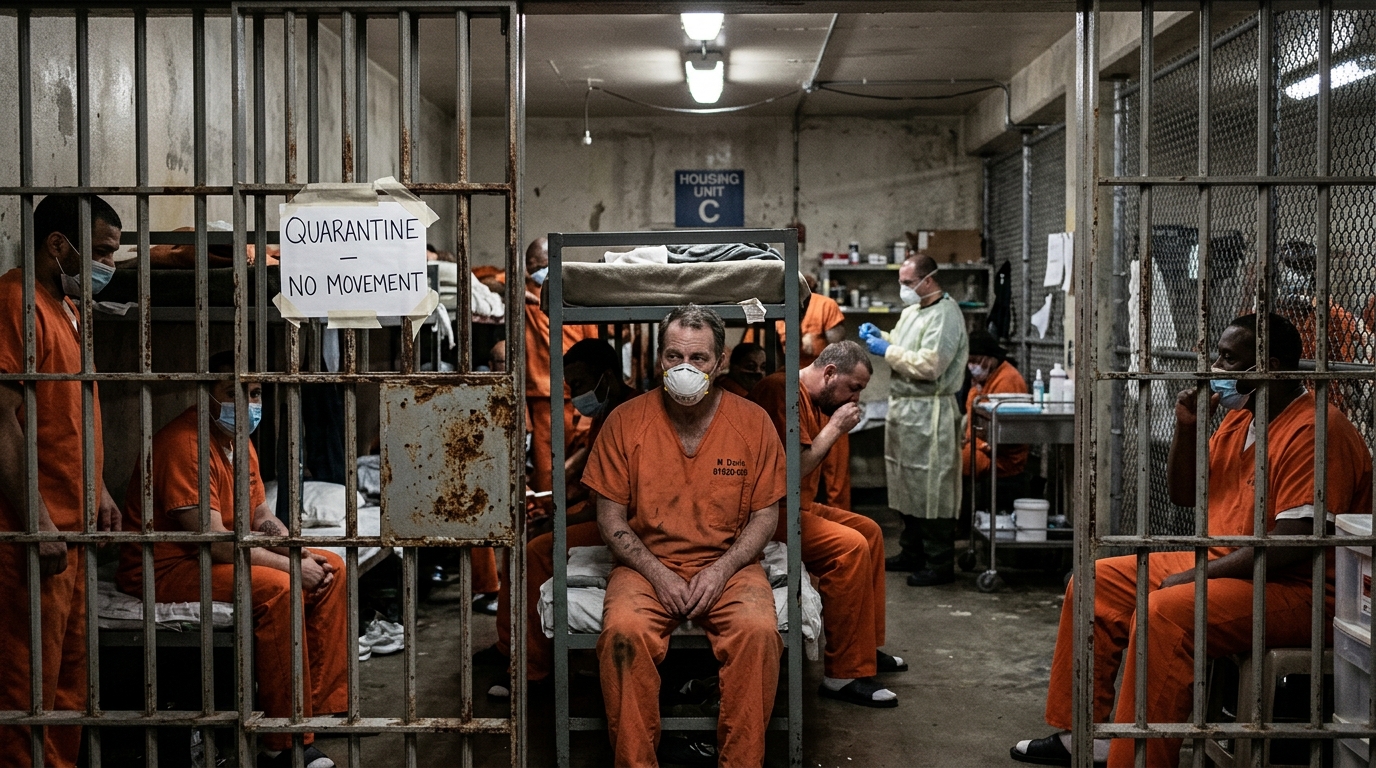
The intersection of mass incarceration and global public health crises has rarely been tested as severely as it was during the COVID-19 pandemic. Across the United States, the federal prison system became a stark epicenter for viral transmission, exposing deep-rooted structural vulnerabilities and systemic administrative failures. Through the lens of retrospective oversight reports, epidemiological data, and internal government communications, a deeply troubling narrative has emerged. It is a narrative of bureaucratic paralysis where early warnings and predictive models detailing the catastrophic trajectory of infectious diseases inside closed carceral facilities were largely ignored or inadequately acted upon. Rather than enacting swift, evidence-based public health interventions—such as meaningful decarceration and clinical quarantine protocols—authorities frequently defaulted to punitive measures that exacerbated human suffering. This article provides a comprehensive analysis of the systemic breakdowns that fueled widespread contagion within federal prisons and outlines the urgent reforms required to prevent a repetition of this humanitarian crisis in the future.
The Inherent Vulnerability of Carceral Systems to Contagion
At the core of the prison health catastrophe lies the fundamental physical architecture and daily operational reality of correctional facilities. Federal prisons are intrinsically epidemiological tinderboxes, inherently ill-equipped to manage the outbreak of airborne pathogens. Decades of policies resulting in severe overcrowding have created environments where hundreds of thousands of individuals are housed in high-density, poorly ventilated spaces. In these settings, the fundamental public health directives issued at the height of the pandemic—such as maintaining physical distance and isolating symptomatic individuals—were structural impossibilities.
Furthermore, the daily logistics of carceral life demand constant movement and interaction. Inmates share congregate living quarters, communal dining halls, and centralized sanitation facilities, creating continuous vectors for viral transmission. The infrastructure often lacks the modern HVAC systems necessary to filter airborne particulates effectively, allowing viruses to circulate freely through cell blocks and dormitories. Beyond the structural deficiencies, the demographic profile of the incarcerated population significantly compounded the danger. A substantial percentage of individuals within the federal system suffer from chronic, pre-existing medical conditions—ranging from cardiovascular disease to untreated respiratory ailments—rendering them exceptionally vulnerable to severe complications from infectious diseases. When a highly transmissible virus breaches the perimeter of such a facility, the combination of spatial confinement and underlying health disparities ensures an accelerated and devastating spread, functioning less like a controlled outbreak and more like a contained conflagration.
Predictive Models Ignored: The Gap Between Bureaucracy and Action
One of the most damning aspects of the federal response to the crisis was not a lack of foresight, but rather a profound failure to translate accurate predictive intelligence into life-saving policy. Internal documents and retrospective investigations by oversight bodies demonstrate that prison administrators were not caught entirely unawares. Epidemiological modeling explicitly projected massive infection rates and high mortalities if aggressive preventative actions were not deployed immediately.
Despite these stark internal warnings, the administrative response was characterized by lethal delays and bureaucratic inertia. While predictive models highlighted the absolute necessity of drastically reducing the prison population to create space for medical isolation, the actual implementation of such strategies was anemic. Institutional leadership often prioritized maintaining rigid security protocols and administrative status quos over emergency public health mandates. This disconnect between data-driven public health intelligence and carceral management created a fatal lag in response times. By the time facilities recognized the severity of local outbreaks and attempted to implement mitigation protocols, the virus had already established deep reservoirs within the inmate and staff populations. The tragic reality is that the devastating scale of the contagion was not solely an unavoidable act of nature, but the predictable outcome of ignoring scientific modeling in favor of preserving institutional rigidity.
The False Equivalence of Solitary Confinement and Medical Quarantine
Faced with rapidly escalating case counts and an inability to achieve social distancing, many federal facilities resorted to their most familiar tool: lockdown. In a profound misapplication of public health principles, prison administrators heavily relied on solitary confinement units—often referred to as the Special Housing Unit (SHU) or “the hole”—as makeshift medical quarantine spaces. This conflation of punitive isolation with clinical care proved disastrous on multiple fronts.
Solitary confinement environments are explicitly designed for punishment, characterized by sensory deprivation, extreme isolation, and severely restricted access to basic human necessities, including regular communication with loved ones and adequate medical monitoring. Utilizing these spaces for individuals suffering from a respiratory illness fundamentally compromised their medical outcomes. The psychological terror associated with being placed in solitary confinement created a powerful disincentive for incarcerated individuals to report early symptoms of illness. Knowing that a cough or a fever would result in banishment to punitive isolation, many inmates actively hid their declining health until they required emergency hospitalization.
- Deterrence of Symptom Reporting: The fear of punitive isolation directly undermined contact tracing and early intervention efforts, allowing the virus to spread silently.
- Inadequate Medical Oversight: Solitary units are generally not equipped with the specialized medical technology or constant staffing required to monitor patients deteriorating from severe respiratory distress.
- Psychological Trauma: The compounding effect of facing a potentially lethal virus while enduring the psychological torture of extreme isolation resulted in deep, lingering trauma for survivors.
Underutilized Lifelines: Compassionate Release and Home Confinement
Perhaps the most profound missed opportunity to mitigate the spread of infectious disease within federal prisons was the severe underutilization of legal decarceration mechanisms. Early in the pandemic, federal legislation, notably the CARES Act, provided the Department of Justice and the Bureau of Prisons with expanded emergency authority to lengthen the amount of time eligible inmates could be placed in home confinement. Additionally, existing compassionate release statutes offered a legal pathway to free the most medically vulnerable individuals, including the elderly and those with terminal conditions.
Despite having the legal tools necessary to drastically thin the prison population and relieve the pressure on internal healthcare resources, the implementation of these release mechanisms was painfully slow and overly restrictive. Bureaucratic bottlenecks, constantly shifting eligibility criteria, and an overriding culture of risk aversion meant that only a fraction of eligible individuals were actually transferred to home confinement or granted compassionate release. Countless petitions for release languished on administrative desks while the applicants contracted the virus within their cells. The failure to aggressively utilize these release valves meant that federal facilities remained dangerously overcrowded during the peak waves of contagion, ensuring that the virus had a steady supply of vulnerable hosts. This administrative reluctance highlights a systemic prioritization of continued incarceration over the fundamental right to life and safety.
Cascading Consequences for Staff, Inmates, and Communities
The failure to control outbreaks within prison walls did not merely impact those serving sentences; it generated cascading public health consequences that extended far beyond the razor wire. Prisons are not truly closed systems; they are deeply porous institutions. Every day, thousands of correctional officers, healthcare providers, administrative staff, and vendors move back and forth between the facility and the surrounding community.
When infectious diseases are permitted to rage unchecked through inmate populations, the staff inevitably become infected and carry the pathogen back to their families and local neighborhoods. This dynamic transformed federal prisons into massive epidemiological engines that accelerated community spread in the towns and counties where they were located. Furthermore, the immense strain placed on the limited medical infrastructure within the prisons frequently required transferring critically ill inmates to local community hospitals. In rural areas where many federal facilities are situated, this influx of severely ill patients quickly overwhelmed local intensive care units, depriving both the incarcerated and free-world citizens of necessary medical attention. The pandemic irrefutably demonstrated that the health of the incarcerated population is inextricably linked to broader public health security.
A Blueprint for Future Pandemic Preparedness in Corrections
To prevent a repetition of this humanitarian tragedy during future public health emergencies, sweeping structural and policy reforms must be institutionalized within the criminal justice system. The lessons extracted from the COVID-19 pandemic must serve as a catalyst for fundamentally reimagining how carceral facilities operate during infectious disease crises.
First and foremost, emergency decarceration protocols must be codified to automatically trigger substantial population reductions when predictive epidemiological models indicate an imminent threat. This requires streamlining compassionate release processes and removing the bureaucratic hurdles that currently delay home confinement. Secondly, correctional systems must fundamentally decouple medical quarantine from punitive solitary confinement. Facilities must establish dedicated, humane clinical isolation wards that encourage symptom reporting and provide high-quality medical oversight without subjecting patients to sensory deprivation. Finally, independent public health authorities—rather than prison administrators—must be granted the binding authority to mandate health and safety interventions inside correctional facilities. Without robust, independent oversight and a commitment to prioritizing human life over punitive control, the systemic failures that defined the federal prison response to COVID-19 will inevitably happen again.
Frequently Asked Questions (FAQs)
Why are prisons considered epidemiological vulnerabilities during pandemics?
Prisons are highly vulnerable to infectious diseases due to chronic overcrowding, inadequate ventilation, and shared sanitary facilities. The physical architecture makes social distancing impossible, while the population often has higher rates of pre-existing health conditions, accelerating the spread and severity of airborne pathogens.
Did federal prisons act quickly upon receiving early warnings about the virus?
Investigations and oversight reports indicate that despite having access to epidemiological models predicting massive outbreaks, the administrative response was often delayed. Bureaucratic inertia and a reluctance to alter standard security protocols led to missed opportunities for early containment and mitigation.
What is the difference between solitary confinement and medical isolation?
Medical isolation is a clinical strategy designed to separate sick individuals in a therapeutic environment to prevent transmission while providing medical care. Solitary confinement is a punitive measure involving extreme social and sensory deprivation. During the pandemic, the use of punitive solitary units for medical quarantine deeply discouraged inmates from reporting their symptoms.
How does decarceration help control disease spread in correctional facilities?
Decarceration, such as through compassionate release or home confinement, reduces the overall population density of a prison. This creates necessary physical space to allow for better social distancing and frees up limited medical resources to treat those who remain incarcerated, ultimately protecting both the inmates and the surrounding community.
References
- COVID-19 in Prisons and Jails in the United States — Laura Hawks, Steffie Woolhandler, Danny McCormick (JAMA Internal Medicine). 2020-08-01. https://jamanetwork.com/journals/jamainternalmedicine/fullarticle/2765383
- Capstone Review of the Federal Bureau of Prisons’ Response to the Coronavirus Disease 2019 Pandemic — U.S. Department of Justice Office of the Inspector General. 2023-03-21. https://oig.justice.gov/reports/capstone-review-federal-bureau-prisons-response-coronavirus-disease-2019-pandemic
- Interim guidance on management of coronavirus disease 2019 (COVID-19) in correctional and detention facilities — Centers for Disease Control and Prevention. 2022-02-10. https://www.cdc.gov/coronavirus/2019-ncov/community/correction-detention/guidance-correctional-detention.html
Similar Articles








Read full bio of medha deb


