
Open Container Laws: Trunk Transport Rules
Navigate open container laws: Learn trunk exemptions, penalties, and defenses for safe alcohol transport in vehicles.
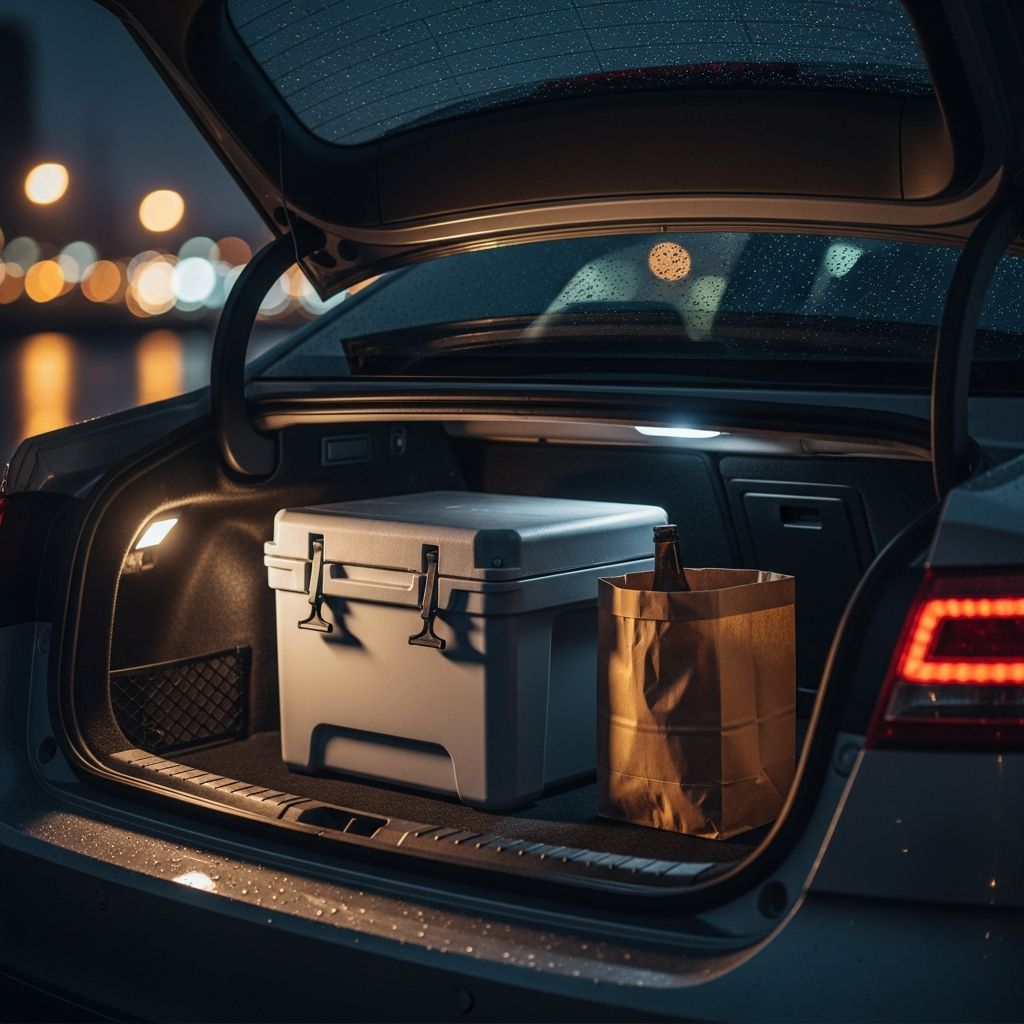
Transporting alcohol in a vehicle raises important legal questions for drivers and passengers alike. Across the United States, strict regulations govern open containers to promote road safety and curb impaired driving. These laws typically prohibit open alcoholic beverages within reach of vehicle occupants, but exceptions exist for specific storage areas like trunks. This article explores the nuances of these rules, focusing on trunk allowances, penalties, defenses, and variations by state.
Understanding Open Container Regulations
Open container laws aim to prevent alcohol consumption while operating or riding in a motor vehicle. An open container is defined as any bottle, can, jar, or flask containing alcohol that has been unsealed, had its seal broken, or had contents partially removed—regardless of whether it has been consumed. These rules apply not just to drivers but to all passengers, emphasizing collective responsibility.
Vehicle codes in most states mirror federal guidelines under the Intermodal Surface Transportation Efficiency Act of 1991, which ties highway funding to open container enforcement. States must prohibit open containers in passenger areas, though storage exceptions vary. For instance, California’s Vehicle Code Sections 23221–23229 explicitly ban open containers in accessible compartments, with trunk storage as a key exemption.
Trunk Storage: The Primary Exemption
The trunk offers the safest legal haven for open containers in sedans and similar vehicles. If alcohol is stored there, it is generally not considered “in possession” by occupants, as trunks are separate from the passenger compartment. This rule holds even if the container is partially consumed.
- Sedans and Coupes: Place open containers exclusively in the trunk to comply.
- Trunkless Vehicles: For hatchbacks, SUVs, or pickups without enclosed trunks, use areas not normally occupied by passengers, such as truck beds.
- Prohibited Areas: Glove boxes, center consoles, door pockets, or utility compartments count as passenger areas since they are accessible without exiting the vehicle.
Courts uphold this distinction strictly. Prosecutors must prove the container was under the driver’s or passengers’ control, making trunk placement a robust defense.
State Variations in Open Container Rules
While trunk exemptions are widespread, specifics differ by jurisdiction. The table below compares key states:
| State | Trunk Allowed? | Truck Bed Alternative? | Minor Penalty Upgrade? |
|---|---|---|---|
| California | Yes | Yes | Misdemeanor (up to 6 months jail) |
| Texas | Yes | Yes, if separate | Class C Misdemeanor |
| Florida | Yes | Yes | Second-degree misdemeanor |
| New York | Yes, locked | Limited | Fine up to $250 |
California exemplifies strict enforcement: open containers in non-trunk areas violate Vehicle Code 23222, an infraction for adults but a misdemeanor if minors under 21 are involved.
Penalties for Violations
Consequences escalate based on age and circumstances. For adults 21 and over, violations are usually infractions with fines up to $250 and possible DMV points affecting insurance and licensing. Minors face harsher misdemeanor charges: up to six months in jail and $1,000 fines in states like California.
- Infraction (Adults): $100–$250 fine; 1 DMV point.
- Misdemeanor (Minors): Jail time, higher fines, license suspension.
- Aggravating Factors: Combined with DUI, penalties compound significantly.
Points accumulation can lead to license revocation, underscoring the need for compliance.
Special Vehicle Exceptions
Not all vehicles fall under standard rules. Hired transport like limousines, buses, or taxis allows open containers for passengers 21+, provided the driver abstains. Recreational vehicles (RVs) permit alcohol in living areas when parked, but not while driving.
- Limousines/Tour Buses: Passengers may possess open alcohol; driver must remain sober.
- RVs/Housecars: Separate living quarters exempt from passenger compartment rules when stationary.
- Rideshares (Uber/Lyft): Treated as private vehicles; no passenger consumption allowed.
Verification of commercial licensing can defeat improper citations in these cases.
Defining an Open Container
Legal definitions hinge on accessibility and seal status. A container is “open” if:
- The factory seal is broken.
- It has been uncapped or poured from.
- Contents are partially removed, even if resealed.
Closed, unopened bottles are permitted anywhere, but opening them requires immediate trunk transfer. Prosecutors bear the burden of proving possession, often via vehicle control evidence.
Effective Legal Defenses
Challenging an open container citation involves scrutinizing police actions and facts:
- Trunk or Exempt Area: Prove the container was in a lawful storage spot.
- Illegal Stop/Search: No probable cause voids evidence.
- Hired Vehicle Status: Show commercial operation with permits.
- Not in Control: Argue lack of possession if found on another occupant.
Experienced attorneys leverage Vehicle Code specifics, such as California’s 23225(e), exempting trunks outright.
Practical Advice for Compliance
To avoid issues:
- Consume alcohol before entering the vehicle or at destinations.
- Designate a sober driver for groups.
- Use coolers in trunks for multi-container transport.
- For trunkless vehicles, opt for locked external boxes.
Minors should never handle alcohol in vehicles, as penalties are severe.
Frequently Asked Questions (FAQs)
Can I keep an open beer in my glove box?
No, glove boxes are accessible passenger areas and violate open container laws in most states.
Is a pickup truck bed safe for open containers?
Yes, if not occupied by passengers and separate from the cab.
What if a minor is in the car with open alcohol in the trunk?
Trunk storage still exempts; minor penalties apply only to accessible containers.
Do these laws apply to passengers?
Yes, all occupants are prohibited from possessing open containers in passenger areas.
Can I fight an open container ticket?
Absolutely—common defenses include trunk placement and illegal searches.
Broader Implications for Road Safety
These laws reduce DUI incidents by limiting temptation. Data from the National Highway Traffic Safety Administration shows open container enforcement correlates with fewer alcohol-related crashes. Staying compliant protects not just legal standing but public safety.
In summary, trunk storage is a straightforward compliance strategy, but understanding exceptions and defenses is crucial. Consult local vehicle codes or legal experts for jurisdiction-specific advice.
References
- California Vehicle Code Sections 23221-23229 — California Legislative Information. 2023. https://leginfo.legislature.ca.gov/faces/codes_displaySection.xhtml?lawCode=VEH§ionNum=23221.
- Open Container Requirements for Highway Funding — National Highway Traffic Safety Administration (NHTSA), U.S. Department of Transportation. 2024-01-15. https://www.nhtsa.gov/risky-driving/drunk-driving#open-container
- California Open Container Laws (VC 23221 et seq.) — Shouse California Law Group (citing official VC). 2025-03-10. https://www.shouselaw.com/ca/defense/laws/open-container/
- Vehicle Code 23225 VC – Storage of Opened Containers — California DMV Official Code Reference. 2024. https://www.dmv.ca.gov/portal/vehicle-code/
- Alcohol-Impaired Driving Statistics — Centers for Disease Control and Prevention (CDC). 2025-02-20. https://www.cdc.gov/transportationsafety/impaired_driving/index.html
Similar Articles








Read full bio of Sneha Tete




