
Optimal Nutrition for Lawyers During High-Stakes Trials
Fuel your legal performance: Expert nutrition tips for sustained energy, focus, and stamina before and during intense courtroom battles.
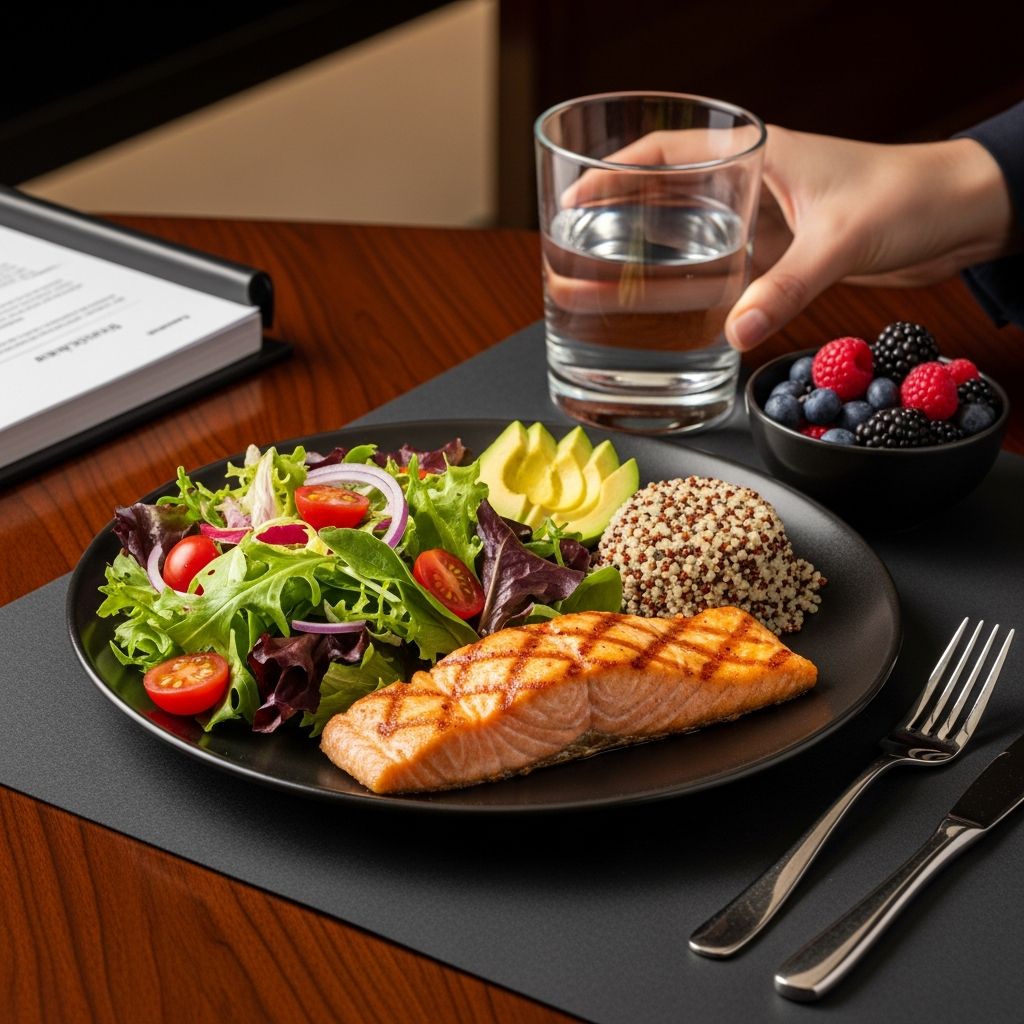
Lawyers facing extended trials endure immense physical and mental demands, often working 12-16 hour days with little time for proper meals. Strategic nutrition becomes a critical tool for sustaining sharp focus, steady energy, and resilience against stress. This guide draws from athlete and professional performance principles, adapted for the courtroom marathon, emphasizing balanced macronutrients, hydration, and practical meal planning to help you thrive under pressure.
Building a Strong Nutritional Foundation Days Before Trial
Preparation starts well in advance. In the 3-5 days leading up to trial, prioritize nutrient-dense foods to stockpile energy reserves, particularly glycogen in muscles and the brain, which fuels cognitive function during long hearings.
- Load up on complex carbohydrates: Opt for whole grains like oats, quinoa, and sweet potatoes to provide sustained energy without blood sugar spikes. These help maintain mental clarity over hours of arguments.
- Incorporate lean proteins: Chicken, turkey, fish, eggs, and plant-based options like lentils support muscle repair and neurotransmitter production for better decision-making.
- Add healthy fats: Avocados, nuts, and olive oil promote brain health and satiety, countering the fatigue from irregular sleep.
Avoid processed foods, excessive sugars, and heavy dairy, as they can lead to inflammation or digestive issues that distract during depositions or openings. Test your pre-trial menu in mock scenarios to ensure tolerance.
Pre-Trial Morning Fuel: Breakfast Strategies for Peak Alertness
The morning of trial sets the tone. Aim for a meal 2-3 hours before court that combines carbs, protein, and moderate fats to stabilize blood sugar and enhance concentration.
| Meal Option | Key Benefits | Prep Time |
|---|---|---|
| Oatmeal with nuts, berries, and Greek yogurt | Sustained energy, antioxidants for stress reduction, protein for fullness | 5 minutes |
| Whole-grain toast with almond butter and banana | Quick-digesting carbs, healthy fats, potassium for nerve function | 2 minutes |
| Protein smoothie: spinach, protein powder, fruit, chia seeds | Portable, nutrient-packed, easy on the stomach | 3 minutes |
These options prevent the mid-morning slump common with coffee and pastries. Hydrate with 16-20 oz of water infused with lemon or cucumber to kickstart metabolism.
Sustained Energy On the Go: Courtroom-Ready Snacks
Trials mean unpredictable breaks. Pack portable snacks pairing protein with fiber-rich carbs to maintain steady glucose levels, avoiding crashes that impair cross-examinations.
- Apple slices with string cheese or turkey slices: Balances fiber, protein, and natural sugars.
- Hummus with carrot sticks and whole-grain crackers: Plant-based protein keeps you satiated.
- Hard-boiled eggs and a handful of almonds: Complete protein and fats for long hauls.
- Greek yogurt with berries: Probiotics aid gut health under stress.
Store in a small cooler bag in your briefcase. Consume every 2-3 hours to sustain metabolism and focus.
Lunch and Dinner Planning Amid Trial Chaos
Court schedules disrupt routines, but pre-prepped meals ensure quality fuel. Dedicate weekends to batch-cooking for the week.
- Use slow cookers: Prepare chili with lean beef, beans, and veggies—portion into containers for grab-and-go.
- Mason jar salads: Layer greens, grilled chicken, quinoa, and vinaigrette (dressing on top to avoid sogginess).
- Healthy delivery services: Select low-carb, high-protein options if prepping isn’t feasible; refrigerate at the office.
When dining out—inevitable for client meetings—pre-scan menus for grilled proteins, steamed veggies, and brown rice. Opt for appetizers as mains or box half for later.
Hydration and Beverage Best Practices
Dehydration fogs the brain faster than fatigue. Aim for half your body weight in ounces of water daily, more during trials.
- Carry a reusable bottle; flavor with mint or citrus to encourage sipping.
- Limit caffeine to mornings; excess causes jitters during closing arguments.
- Cap alcohol at 1-2 drinks post-trial, alternating with water to aid recovery.
- Electrolyte packets for long days prevent headaches from courtroom AC.
Sports drinks like diluted Gatorade can replenish during multi-day trials, but prioritize plain water.
Post-Session Recovery Nutrition for Overnight Recharge
Evenings refuel for the next day. Within 30 minutes post-court, consume carbs and protein to restore glycogen and repair stress-induced damage.
- Chocolate milk or a smoothie: Ideal 4:1 carb-to-protein ratio.
- Turkey wrap with veggies: Tryptophan promotes sleep.
- Salmon with sweet potato: Omega-3s reduce inflammation.
Avoid heavy late-night eats; finish 2-3 hours before bed for quality sleep, crucial for memory consolidation.
Common Nutrition Pitfalls and How to Avoid Them
Trials tempt bad habits. Steer clear of:
- Vending machine traps: Chips and candy spike then crash energy.
- High-fat takeout: Greasy burgers slow digestion, causing drowsiness.
- Skipping meals: Leads to irritability and poor judgment.
- Over-caffeinating: Disrupts sleep cycles.
Track intake with an app for accountability. Consult a nutritionist for personalized plans if managing weight or conditions like diabetes.
Sample 3-Day Trial Meal Plan
| Time | Day 1 | Day 2 | Day 3 |
|---|---|---|---|
| Breakfast | Protein smoothie | Oatmeal w/ nuts | Eggs on toast |
| Mid-Morning Snack | Yogurt & berries | Apple & cheese | Nuts & fruit |
| Lunch | Jar salad w/ chicken | Turkey wrap | Quinoa bowl |
| Afternoon Snack | Hummus & veggies | Hard-boiled egg | Trail mix |
| Dinner | Grilled fish & rice | Chili leftovers | Stir-fry tofu |
| Evening Recovery | Chocolate milk | Smoothie | Greek yogurt |
This plan clocks ~2,200-2,500 calories, adjustable for needs, focusing on balance.
Frequently Asked Questions (FAQs)
What if I have dietary restrictions during trial?
Adapt with swaps: tofu for meat, gluten-free grains. Pre-plan and inform your team for support.
Can caffeine help during long trials?
Moderation is key—1-2 cups morning only. Test tolerance to avoid anxiety.
How much water is enough?
At least 80-100 oz daily; more if sweating or in dry courtrooms.
Are supplements necessary?
Multivitamins, omega-3s, and B-vitamins aid stress; consult a doctor first.
What about sugar for quick energy?
Avoid—opt for fruit. Sugar crashes impair performance.
Mastering nutrition transforms trials from endurance tests to confident victories. Implement these strategies to sharpen your edge.
References
- How Lawyers Can Eat Healthier During a Trial — Healthy Lawyers. 2023. https://healthylawyers.com/how-lawyers-can-eat-healthier-during-a-trial/
- What to Eat Before Your Event — Prostate Cancer Research. Accessed 2026. https://pcrus.org/what-to-eat-before-your-event/
- What to Eat Before, During, and After a Track & Field Meet — Running Warehouse. Accessed 2026. https://www.runningwarehouse.com/learningcenter/training/nutrition/track_and_field_nutrition.html
- What Athletes Should Eat — Before, During and After Competing — Hartford Hospital. 2023-10-01. https://hartfordhospital.org/about-hh/news-center/news-detail?articleId=65422
- What do you eat and drink at a trials event? — Trials Central. 2023-06-28. https://www.trialscentral.com/forums/topic/77857-what-do-you-eat-and-drink-at-a-trials-event/
Similar Articles








Read full bio of Sneha Tete




