
Nursing Home Abuse: Warning Signs, Prevention, And Legal Help
Understand the hidden dangers of nursing home abuse, from physical harm to financial scams, and learn how to protect vulnerable loved ones effectively.
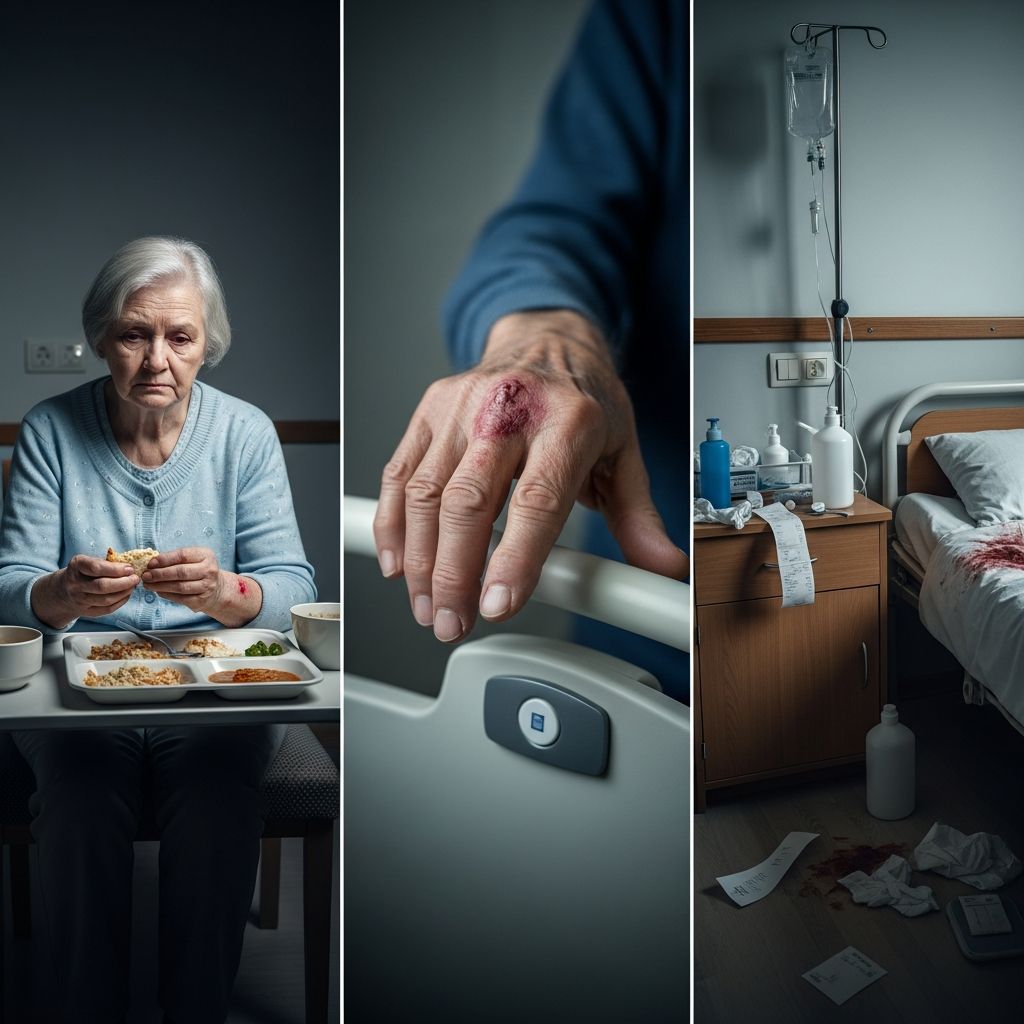
Nursing homes provide essential care for elderly individuals who need assistance with daily living. However, these facilities can sometimes become environments where abuse occurs, affecting the well-being of residents profoundly. Abuse manifests in multiple forms, each with unique characteristics, signs, and consequences. Families must stay vigilant to protect their loved ones from such mistreatment.
Understanding the Scope of Abuse in Long-Term Care
Long-term care facilities house millions of seniors across the United States. Despite regulations, abuse remains prevalent. Studies indicate that a significant portion of residents experience some form of mistreatment, ranging from subtle neglect to overt violence. This issue undermines the trust families place in these institutions and highlights the need for awareness.
Factors contributing to abuse include understaffing, inadequate training, and high resident-to-staff ratios. Caregivers under pressure may resort to harmful behaviors, intentionally or unintentionally. Recognizing these patterns early can prevent escalation and ensure resident safety.
Physical Harm: The Most Visible Form of Mistreatment
**Physical abuse** involves any deliberate act causing pain, injury, or impairment to a resident. Common actions include striking, shoving, pinching, or improper restraint use. These incidents often leave visible marks like bruises, fractures, or burns.
Signs to watch for:
- Unexplained injuries such as welts, cuts, or sprains
- Frequent falls attributed to ‘accidents’
- Residents appearing fearful of specific staff
- Restraints used without medical justification
Effects extend beyond immediate pain, leading to chronic conditions, mobility loss, and accelerated decline. Staff surveys reveal high observation rates of such acts, with some admitting participation. Prompt reporting to facility administrators or authorities is crucial.
Emotional and Psychological Distress
**Emotional abuse**, also called psychological abuse, inflicts mental anguish through words or actions. It affects about 33% of U.S. nursing home residents and includes yelling, humiliation, threats, isolation, or intimidation.
This form is insidious because it leaves no physical scars. Manifestations include:
- Verbal assaults or name-calling
- Social isolation from peers or family
- Withholding privileges like phone access
- Harassment or belittling residents’ needs
Victims may exhibit withdrawal, depression, anxiety, or sudden personality changes. Long-term impacts involve cognitive deterioration and eroded self-esteem. Certified nursing assistants often witness yelling or cursing, underscoring its commonality.
Neglect: Failure to Provide Basic Care
**Neglect** occurs when caregivers fail to meet residents’ essential needs, such as hygiene, nutrition, medication, or medical attention. It’s one of the most frequent abuses, resulting from oversight or resource shortages.
| Type of Neglect | Common Signs | Potential Consequences |
|---|---|---|
| Hygiene | Body odor, unwashed hair, dirty clothing | Skin infections, bedsores |
| Nutrition/Hydration | Weight loss, dehydration | Malnutrition, organ failure |
| Medical | Untreated conditions, missed medications | Worsening health, hospitalizations |
| Mobility | Muscle atrophy, frequent falls | Immobility, fractures |
Neglect leads to severe health declines, including pressure ulcers and infections. Families should monitor weight charts, wound care, and responsiveness to health complaints.
Sexual Violations in Vulnerable Settings
**Sexual abuse** encompasses non-consensual sexual contact, harassment, coercion, or assault. It exploits residents’ vulnerabilities like cognitive impairment or physical weakness. Even ‘consensual’ acts can qualify as abuse if capacity is lacking.
Indicators include:
- Unexplained genital injuries or STIs
- Torn undergarments or difficulty sitting
- Sudden fear of certain individuals
- Behavioral changes like withdrawal
Consequences are devastating, causing trauma, infections, and psychological scars. This abuse demands immediate intervention, involving law enforcement alongside facility reports.
Financial Exploitation: Stealing Dignity and Assets
**Financial abuse** involves unauthorized use of a resident’s funds or property. Tactics include forging signatures, identity theft, coerced gifts, or misuse of power of attorney. Elders’ assets make them prime targets.
Red flags:
- Sudden bank withdrawals or account changes
- Missing valuables or possessions
- New ‘beneficiaries’ on documents
- Staff requesting money for ‘favors’
Recovery requires forensic accounting and legal action. This abuse erodes financial security, impacting care affordability post-incident.
Abandonment and Isolation Risks
**Abandonment** happens when caregivers desert residents unable to care for themselves, such as leaving them unattended in unsafe places. It includes failing to return after placement or ignoring calls for help.
Related to neglect, it heightens risks of injury or death. Signs involve prolonged unassisted periods or sudden transfers without notice. Prevention demands robust oversight protocols.
Medical Oversight Failures
Beyond general neglect,
medical neglect
ignores specific health needs like pain management, therapy, or condition monitoring. This leads to preventable complications, such as untreated wounds or medication errors.Families should review medical records regularly and question deviations from care plans.
Spotting Warning Signs Across Abuse Types
General indicators of abuse include:
- Abrupt behavioral shifts or fearfulness
- Unexplained physical or financial losses
- Reluctance to discuss facility life
- Frequent illnesses or injuries
Vigilance involves regular visits, communication, and reviewing records. Technology like monitoring apps can aid remote oversight.
Prevention Strategies for Families and Facilities
Prevention starts with choosing reputable homes via state inspections and reviews. Families should:
- Establish power of attorney for finances/health
- Visit unexpectedly and talk privately
- Encourage resident advocacy groups
Facilities must train staff, enforce low ratios, and foster reporting cultures. Whistleblower protections encourage transparency.
Pursuing Justice Through Legal Channels
Suspected abuse warrants reporting to state agencies, ombudsmen, and police. Civil lawsuits seek compensation for damages, holding facilities accountable via negligence claims.
Statutes of limitations apply, so act swiftly. Experienced attorneys navigate investigations, evidence gathering, and settlements.
Frequently Asked Questions (FAQs)
What should I do if I suspect nursing home abuse?
Document signs, report to facility administration, contact Adult Protective Services, and consult a lawyer immediately.
How common is emotional abuse in nursing homes?
Approximately 33% of residents experience it, often through verbal harassment or isolation.
Can sexual abuse occur between residents?
Yes, staff must intervene in non-consensual acts, regardless of perpetrator.
What are bedsores a sign of?
Typically neglect, from failure to reposition or clean residents.
Is financial monitoring necessary in nursing homes?
Absolutely; review statements monthly to detect exploitation early.
Empowering Seniors and Families Against Abuse
Armed with knowledge, families can safeguard loved ones. Routine engagement, education, and swift action form the bulwark against abuse. Regulatory bodies continue refining standards, but individual advocacy remains paramount.
References
- Elder Abuse in Residential Long-Term Care Settings — NCBI/National Academies Press. 2003-01-01. https://www.ncbi.nlm.nih.gov/books/NBK98786/
- Abuse – What to Do – Nursing Home Residents Rights — California Department of Public Health (CDPH). 2023-01-01. https://www.cdph.ca.gov/Programs/CHCQ/LCP/CDPH%20Document%20Library/Residents’%20Rights%20Packet/Abuse-WhatToDo.pdf
- What Are the Types of Nursing Home Abuse? — Nursing Homes Abuse Center. 2024-01-01. https://nursinghomesabuse.org/faqs/what-are-the-types-of-nursing-home-abuse/
Similar Articles








Read full bio of medha deb




