
Neighbor Smoke Intrusion: Effective Solutions
Discover practical steps to address secondhand smoke from neighbors, from polite talks to legal remedies and home improvements.
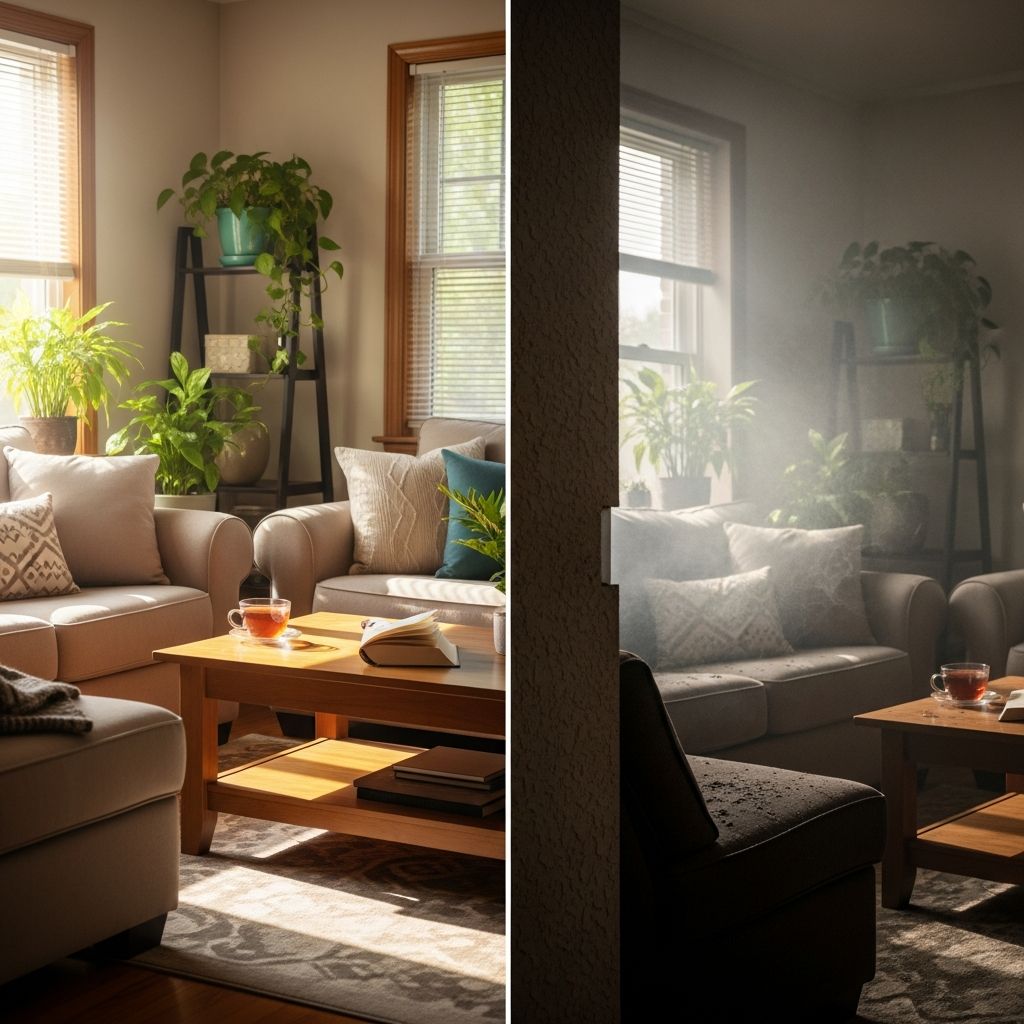
Unwanted secondhand smoke drifting from a neighbor’s space can turn your home into an uncomfortable, potentially hazardous environment. Whether it’s tobacco, cannabis, or vaping aerosols, this issue affects millions in multi-unit dwellings, impacting health, comfort, and quality of life. This comprehensive guide outlines actionable strategies to identify, mitigate, and resolve the problem, drawing from legal frameworks, health guidelines, and practical home solutions.
Understanding the Health and Legal Impacts of Drifting Smoke
Secondhand smoke contains over 7,000 chemicals, including at least 70 known carcinogens, making it a serious indoor air pollutant. Exposure in homes can exacerbate asthma, trigger allergies, and increase risks for heart disease and respiratory issues, particularly for children, elderly residents, and those with pre-existing conditions. Legally, while public smoking bans are widespread, private residences present unique challenges. However, evolving laws and housing policies increasingly recognize the right to breathable air as part of ‘quiet enjoyment’—a tenant’s guaranteed peaceful use of their space.
In multi-family housing, smoke migration often violates implied warranties of habitability, where landlords must provide sanitary living conditions. Homeowners in condos or HOAs may invoke covenants restricting nuisances. Awareness of these principles empowers affected individuals to act decisively without immediate confrontation.
Initial Steps: Self-Assessment and Documentation
Before engaging others, build a strong foundation by documenting the issue meticulously. Start a dated log noting:
- Times and dates of smoke infiltration.
- Sources (e.g., balcony, window, vents).
- Physical effects (headaches, coughing, eye irritation).
- Photos or videos of visible smoke if safe and non-intrusive.
This record proves patterns and severity, crucial for escalating complaints. If health symptoms arise, consult a physician for a formal letter linking exposure to your condition. Such medical evidence strengthens requests for accommodations under fair housing laws, especially for protected groups like those with disabilities.
Simultaneously, review your lease, HOA rules, or CC&Rs for smoking provisions. Look beyond explicit bans—phrases like ‘no nuisances’ or ‘no interference with others’ use’ can apply. Vague language may still support claims if smoke substantially disrupts daily life.
Communication Strategies: From Friendly Talks to Formal Notices
Most resolutions begin with direct, empathetic dialogue. Approach your neighbor assuming good intent—many smokers are unaware of drift or willing to adjust. Frame the conversation around shared impact: ‘I’ve noticed smoke entering my unit during evenings, affecting my family’s breathing. Could we explore ways to minimize it?’ Suggest alternatives like designated smoking zones away from shared walls.
Avoid accusations; focus on ventilation issues or building design flaws. If rapport exists, collaborate on tests, like smoking at specific times to pinpoint entry points. Success rates are high—up to 80% of smokers express quit interest and respond positively to polite requests.
When direct talks fail or feel unsafe, pivot to property management. Submit a written complaint with your log, doctor’s note, and specific requests (e.g., enforcement of no-smoking policies, unit inspections). Follow up weekly, tracking responses. For renters, highlight lease violations; for owners, cite governing documents.
Practical Home Defenses: Sealing and Purifying Your Space
While pursuing external remedies, fortify your unit against infiltration. Key tactics include:
- Seal Gaps: Apply weatherstripping to doors/windows, caulk outlets, and use foam insulation for vents. These block 70-90% of smoke leaks affordably.
- Air Purification: Deploy HEPA filters with activated carbon for odor and particle removal. Place units near entry points; clean/replace filters monthly.
- HVAC Maintenance: Upgrade to high-MERV filters (13+ rating) and ensure positive pressure via exhaust fans to push smoke outward.
- Humidity Control: Dehumidifiers reduce smoke adhesion to surfaces.
Combine these with behavioral adjustments: close windows during peak smoking hours, use exhaust fans post-exposure, and ventilate thoroughly. These measures provide immediate relief, buying time for longer-term fixes.
Navigating Local Laws and Housing Regulations
Laws vary widely, but momentum favors smoke-free multi-unit housing. Over 1,000 U.S. localities restrict smoking in apartments, often prohibiting it within 25 feet of entrances or in common areas. Check with your city/county health department or housing authority for ordinances. States like California mandate smoke-free leases in some cases, while federal Fair Housing Act protections apply if smoke aggravates disabilities.
For condos/HOAs, CC&Rs may ban smoking outright or as a nuisance. Associations can amend rules via vote, fining violators. Resources like the American Lung Association offer state-specific guides (lung.org). If local rules exist, demand enforcement—non-compliance may constitute constructive eviction for tenants.
Escalation Options: Mediation, Complaints, and Court
If management ignores valid complaints, escalate strategically. Propose mediation through community services or platforms like those for neighbor disputes—neutral facilitators resolve 70% of cases amicably.
Next, file formal grievances: tenants via housing authorities (e.g., HUD for FHA violations); owners through HOA boards. Persistent issues warrant small claims court for nuisance damages, though injunctions are rare. Prove substantial interference with habitability; awards cover cleaning costs or temporary relocation. Consult legal aid for low-income support—many handle these pro bono.
| Method | Cost | Time | Enforceability | Best For |
|---|---|---|---|---|
| Direct Talk | Free | Days | Low | Friendly relations |
| Management Complaint | Low | Weeks | Medium | Lease/HOA violations |
| Mediation | Low-Medium | Weeks | Medium | Ongoing disputes |
| Small Claims | Low | Months | High (monetary) | Proven damages |
Long-Term Advocacy: Pushing for Smoke-Free Communities
Beyond individual fixes, advocate for systemic change. Petition landlords for voluntary smoke-free policies—studies show these boost property values 5-10% and reduce turnover. Join or form tenant associations to lobby for building-wide bans. Support local campaigns tracking complaints to build data for ordinances.
Educate via flyers on secondhand smoke risks (no-smoke.org resources), fostering community buy-in. Disclose smoking history in rentals to inform future tenants, promoting transparency.
Frequently Asked Questions
Can I legally force my neighbor to stop smoking?
Directly, no—but through lease enforcement, HOA fines, or court nuisance claims, yes, if it violates agreements or habitability rights.
What if my lease doesn’t mention smoking?
Invoke ‘quiet enjoyment’ or nuisance clauses; document health impacts for stronger leverage with management.
Does vaping count as secondhand smoke?
Yes, aerosols carry nicotine and chemicals; same strategies apply, with growing regulations.
How effective are air purifiers?
Carbon-HEPA models remove 80-95% of particles/odors when properly sized and maintained.
What if I’m in a single-family home?
Local nuisance ordinances or private nuisance suits apply; fences or landscaping can buffer smoke.
By methodically addressing neighbor smoke—from documentation and dialogue to fortifications and advocacy—you can restore fresh air and peace. Persistence pays off; many achieve resolution without litigation.
References
- How to Block Your Neighbor’s Cigarette Smoke — RetroFoam of Michigan. 2023-05-15. https://www.retrofoam.com/blog/how-to-block-your-neighbors-cigarette-smoke
- When Secondhand Smoke Invades Your Home — Nolo. 2024-02-20. https://www.nolo.com/legal-encyclopedia/when-neighbors-secondhand-smoke-invades-home.html
- The Smoker Next Door — American Nonsmokers’ Rights Foundation. 2023-11-10. https://no-smoke.org/smoker-next-door/
- What you need to know about your neighbor’s secondhand smoke — Medill News Service, Northwestern University. 2023-08-05. https://news.medill.northwestern.edu/chicago/what-you-need-to-know-about-your-neighbors-secondhand-smoke-and-what-you-can-do-about-it/
- What can I do about secondhand smoke/aerosol exposure coming from my neighbor? — U.S. Environmental Protection Agency (.gov). 2024-01-12. https://www.epa.gov/indoor-air-quality-iaq/what-can-i-do-about-secondhand-smokeaerosol-exposure-coming-my-neighbors
Similar Articles








Read full bio of Sneha Tete




