
Military DUI: Court-Martial, Civilian Charges, and Your Career
Understand how a military DUI can trigger court-martial proceedings, civilian penalties, and lasting consequences for your service record.
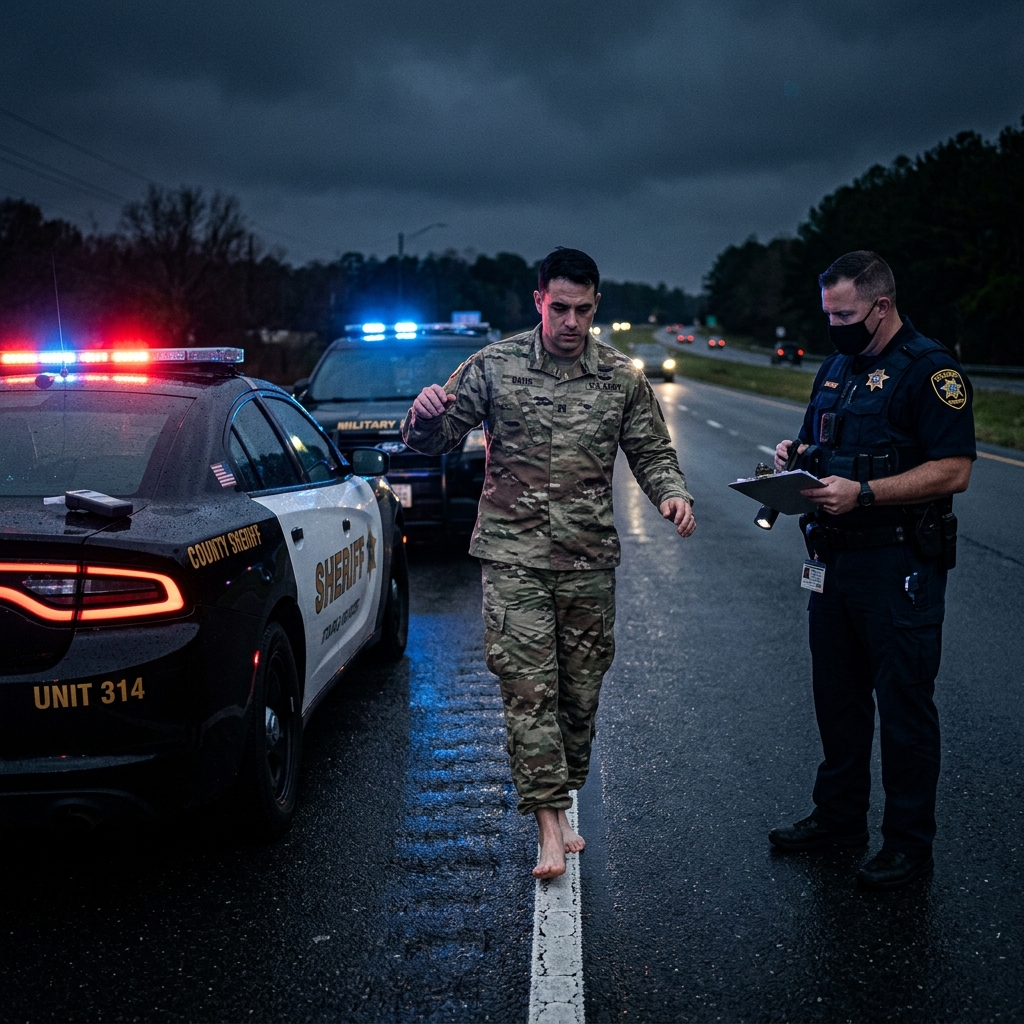
Driving under the influence is treated seriously across the United States, but for service members a DUI does more than create criminal exposure. It can jeopardize a military career, trigger court-martial proceedings, and result in separate punishment from civilian authorities. Understanding how military DUI cases work, and how they intersect with civilian law, is essential for anyone serving in the armed forces who drives on or off base.
1. What Counts as a DUI for Service Members?
DUI rules for service members flow from both state law and the Uniform Code of Military Justice (UCMJ). States criminalize operating a vehicle with a blood alcohol concentration (BAC) at or above a set limit (commonly 0.08%), or driving while impaired by alcohol or drugs. The military adds its own layer of rules that can apply regardless of where the conduct occurs.
Under UCMJ provisions related to drunk or reckless operation of vehicles and aircraft, a service member may face criminal charges if they:
- Operate a vehicle, aircraft, or vessel while impaired by alcohol or drugs.
- Drive in a manner that is dangerous or reckless, even if BAC is below the civilian legal limit.
- Refuse lawful testing when required by military or civilian authorities, which can be treated as misconduct.
Importantly, the military justice system can reach conduct occurring on or off base, and even during leave, as long as the person is subject to the UCMJ at the time.
2. On-Base vs. Off-Base DUI: Who Has Jurisdiction?
Jurisdiction in a military DUI case depends heavily on where the alleged offense occurs and whether civilian authorities are involved. A single incident can place a service member under both military and civilian systems simultaneously.
2.1 DUI on a Military Installation
When a DUI happens on base, the installation commander and military law enforcement usually take the lead. Depending on the specific base and agreements with local prosecutors, some on-base DUI cases may be referred to federal court, particularly for installations located on exclusive federal jurisdiction land.
Common command responses to an on-base DUI include:
- Administrative actions (such as counseling statements or loss of driving privileges).
- Nonjudicial punishment under Article 15 of the UCMJ (often called “office hours” or “captain’s mast”).
- Referral to court-martial for more serious or repeated misconduct.
Many installations automatically suspend on-base driving privileges after a DUI incident, often for around one year for a first offense.
2.2 DUI Off Base
Off-base DUIs typically start in civilian hands. Local or state police investigate, arrest, and refer the case to state prosecutors. However, the military still retains authority to respond to the same conduct under the UCMJ.
As a result, a service member arrested off base may face:
- Criminal prosecution in state court (e.g., jail, fines, license suspension).
- Military administrative action or nonjudicial punishment for misconduct.
- In serious cases, separate UCMJ charges and possible court-martial.
Commanders and civilian authorities sometimes coordinate to decide where major criminal proceedings should occur. Even if state prosecutors decline charges, the military can still act under the UCMJ.
3. Types of Military Proceedings in DUI Cases
The military has several tools for responding to DUI-related misconduct. They range from administrative measures to full criminal trials.
| Process Type | Nature | Typical Use in DUI Cases | Possible Outcomes |
|---|---|---|---|
| Administrative action | Non-criminal | First-time or less severe misconduct | Letters of reprimand, driving bans, mandatory counseling |
| Article 15 (nonjudicial punishment) | Disciplinary, not a criminal conviction | Moderate misconduct or where commander chooses NJP instead of trial | Extra duty, restriction, rank reduction, forfeiture of pay |
| Summary court-martial | Lower-level criminal proceeding | Minor offenses; limited rights and penalties | Short confinement, reduction in rank, limited forfeitures |
| Special court-martial | Intermediate criminal trial | More serious DUI or repeat offense | Confinement up to 12 months, bad-conduct discharge, forfeitures |
| General court-martial | Highest-level criminal trial | Most serious DUI cases (injury, death, aggravated circumstances) | Longer confinement, dishonorable discharge, total forfeitures |
3.1 Administrative and Command-Level Responses
Not every DUI leads to formal charges. Commanders have broad discretion to handle lower-level cases with internal measures such as:
- Written reprimands or counseling statements.
- Temporary or permanent bans on driving on base.
- Mandatory substance abuse evaluation or treatment.
- Increased supervision or changes in duties.
While these actions are not criminal convictions, they can still affect promotion prospects and future assignments.
3.2 Nonjudicial Punishment (Article 15)
Article 15 proceedings allow commanders to impose discipline without a criminal trial. Common NJP sanctions in a DUI context include extra duties, restriction to base, short-term loss of pay, and reduction in rank for enlisted members.
Key characteristics of Article 15:
- Not a criminal conviction under federal law.
- Recorded in personnel files and can impact career progression.
- Limited procedural rights compared to court-martial, though members can usually consult counsel beforehand.
3.3 Court-Martial: Summary, Special, and General
Court-martial is the formal criminal trial system in the military. DUI-related charges may be referred to one of three levels depending on severity.
- Summary court-martial – Used for minor offenses. Proceedings are streamlined, and the maximum punishments are limited (for example, shorter confinement and less severe forfeitures). Service members do not receive a free military defense lawyer for summary courts.
- Special court-martial – Comparable to a misdemeanor-level trial. Members have the right to a free military lawyer, and potential penalties include up to a year of confinement, partial forfeiture of pay, and a bad-conduct discharge in serious cases.
- General court-martial – Reserved for the most serious crimes, including DUI incidents involving injury, death, or extreme recklessness. It can impose lengthy confinement, total forfeitures, and a dishonorable discharge.
A conviction at special or general court-martial is treated much like a federal criminal conviction and may show up in background checks similar to a felony record.
4. Civilian DUI Penalties and How They Interact with Military Justice
When a DUI is prosecuted in civilian court, the service member faces the same statutory penalties as any other defendant. These penalties vary by state, but commonly include jail time, fines, and driver’s license restrictions.
Typical civilian consequences for a first-time DUI often include:
- Short mandatory jail or electronic home monitoring.
- Suspension of the driver’s license for months to a year.
- Requirement to use an ignition interlock device after reinstatement.
- Fines, court costs, and mandatory alcohol education.
In many jurisdictions, a driver has only a brief window (sometimes as short as seven days) to request an administrative hearing to challenge automatic license suspension after a DUI arrest.
Even when civilian penalties are fully served, the military may still impose its own administrative or disciplinary measures based on the same underlying conduct.
5. Double Jeopardy: Can You Be Punished Twice for the Same DUI?
The constitutional rule against double jeopardy prevents someone from being tried twice for the same offense in the same court system. It does not stop different sovereigns from acting on the same incident.
For service members, this means:
- A state can prosecute a DUI, and the military can still use Article 15, administrative actions, or even court-martial based on the same events.
- A civilian acquittal does not bar military discipline, because military and civilian systems are separate legal jurisdictions.
- Administrative measures such as separation from service or reassignment are not considered criminal punishment, so double jeopardy principles do not apply.
In short, double punishment is not double jeopardy when different authorities act under different legal frameworks.
6. Collateral Consequences for Your Military Career
Beyond the immediate sanctions, a military DUI can have deep, long-lasting effects on a service member’s career.
6.1 Impact on Rank, Pay, and Benefits
Depending on the level of proceedings and the outcome, consequences may include:
- Reduction in rank for enlisted personnel, sometimes all the way to the lowest enlisted grade.
- Forfeiture of pay and allowances, either partial or total in more serious court-martial sentences.
- Confinement in a military facility, ranging from weeks in a summary court-martial to many months in special or general courts.
- Discharge from the service (bad-conduct or dishonorable), which can end access to many veterans’ benefits.
6.2 Administrative Separation and Career Trajectory
Even without a criminal conviction, commanders may initiate administrative separation for a service member whose conduct, including DUI, is considered incompatible with continued service.
Consequences of administrative separation include:
- Loss of a military career and potential pension or retirement benefits.
- Adverse discharge characterization that can affect future employment and benefits.
- Long-term impact on security clearances and eligibility for sensitive positions.
For those who remain in service, a DUI can hinder promotions, restrict assignment options, and create negative perceptions among supervisors and selection boards.
7. Protecting Your Rights After a Military DUI Arrest
Whether the case is handled in civilian or military court, a service member has important rights and options that should be understood as early as possible.
7.1 Right to Counsel and the Court-Martial Process
In special and general court-martial proceedings, service members have the right to a free military defense lawyer and may also hire private counsel at their own expense.
The typical progression of a serious DUI case in the military justice system includes:
- Preferral of charges – A commander or other authorized individual formally brings charges against the service member.
- Article 32 hearing – For general court-martial, a pretrial hearing evaluates whether probable cause exists. Recommendations from this hearing help the commander decide whether to refer the case to trial.
- Referral to court-martial – The commander chooses the level of court-martial appropriate for the alleged offense.
- Plea negotiations – Many cases resolve before trial through agreements between the prosecution and defense, subject to the member’s consent.
Throughout the process, the accused retains the right to remain silent when counsel is not present and the right to appeal a conviction.
7.2 Civilian Hearings and License Issues
After an arrest, a state’s motor vehicle agency may move to suspend the driver’s license independently of any court case. The member generally has a short time frame to request an administrative hearing to challenge this suspension.
Failing to act quickly can result in automatic loss of driving privileges, which may affect both civilian life and duties that require driving in the military.
8. Practical Steps for Service Members Facing DUI Allegations
Any service member confronting DUI allegations should respond promptly and strategically. Although each case is unique, several practical steps are widely recommended.
- Seek legal advice immediately – Contact a defense lawyer familiar with both military and civilian systems, and request appointment of a military attorney if court-martial is possible.
- Comply with lawful orders – Follow all command directives and conditions of release, including restrictions on driving or alcohol use.
- Document events – Record details about the stop, testing, and interactions with law enforcement and command while memories are fresh.
- Address underlying issues – If alcohol misuse or other risk factors are involved, engage with treatment or counseling programs voluntarily; commands often view proactive steps favorably.
- Monitor career impacts – Track how adverse actions are recorded in personnel files, and seek guidance on mitigation strategies and future promotion boards.
9. Frequently Asked Questions About Military DUI
9.1 Can I be court-martialed for a DUI that happened off base?
Yes. The UCMJ applies to service members regardless of where the misconduct occurs, and the military can bring charges based on off-base conduct even if civilian authorities have already prosecuted or declined the case.
9.2 If civilian court dismisses my DUI, is the case over?
Not necessarily. A dismissal or acquittal in civilian court does not prevent the military from imposing nonjudicial punishment, administrative actions, or even court-martial based on the same incident, because the systems are legally separate.
9.3 Is an Article 15 the same as a criminal conviction?
No. Article 15 proceedings impose discipline but do not create a federal criminal conviction. However, the record of nonjudicial punishment can still impact career prospects, promotions, and future assignments.
9.4 Do I get a free military lawyer for every kind of court-martial?
You have the right to a free military lawyer if you are facing a special or general court-martial. That right does not extend to summary courts, although you may still seek legal advice before deciding how to proceed.
9.5 Can a military DUI affect my veterans’ benefits?
It can. Serious DUI-related misconduct may result in a bad-conduct or dishonorable discharge at court-martial, which can limit or eliminate access to many veterans’ benefits and create long-term consequences similar to a felony record.
References
- Military Justice Overview — Victim and Witness Assistance Council (U.S. Department of Defense). 2023-01-10. https://vwac.defense.gov/military.aspx
- Military Law FAQs — Justia. 2022-06-15. https://www.justia.com/military-law/faqs/
- Military DUI Charges: UCMJ Consequences and Protecting Your Military Career — National Security Law Firm. 2021-05-20. https://www.nationalsecuritylawfirm.com/military-dui-charges-ucmj-consequences-and-protecting-your-military-career/
- Military DUI Overview and Jurisdiction — Leah Legal Criminal Defense. 2020-11-03. https://www.leahlegal.com/military-dui/
- King County Military DUI Lawyer — The Curtis Firm. 2022-09-12. https://www.thecurtisfirm.com/criminal-defense/military-dui/
- How Are Military DUIs Handled? — Michael J. Thompson Attorney At Law. 2019-02-08. https://www.oakgroveattorney.com/blog/how-are-military-duis-handled/
- Double Jeopardy — My Military Lawyers. 2018-07-19. https://www.mymilitarylawyers.com/double-jeopardy/
Similar Articles








Read full bio of Sneha Tete




