Medical Proof in Auto Crash Claims
Unlock the power of medical documentation to secure maximum compensation in car accident injury cases across the U.S.
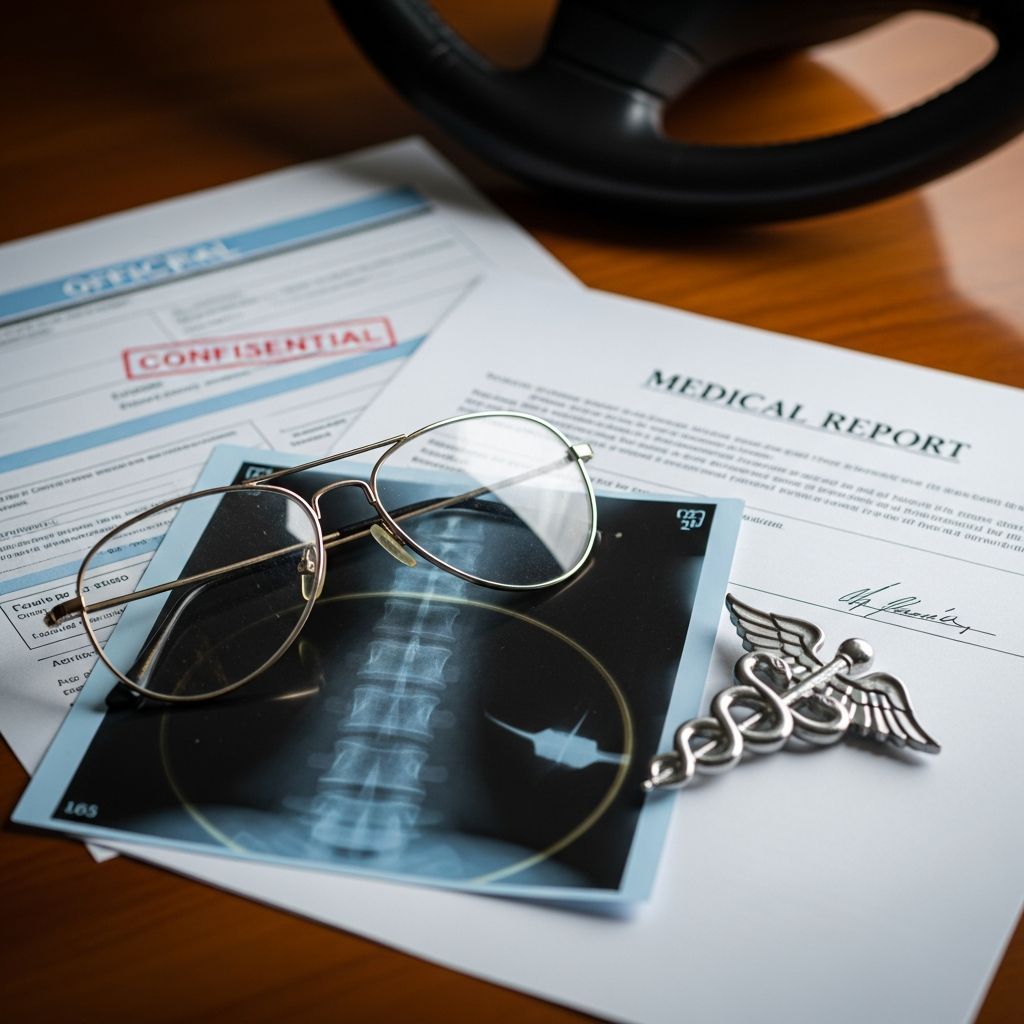
Medical documentation forms the backbone of any successful car accident lawsuit, directly linking injuries to the incident and justifying compensation demands. Courts and insurers scrutinize these records to assess damage extent, treatment necessity, and long-term impacts, making comprehensive evidence collection vital for victims seeking justice.
Why Medical Records Drive Case Success
In vehicle collision claims, medical evidence establishes three critical elements: the injuries’ existence, their direct causation by the crash, and the reasonableness of associated costs. Without robust documentation, even clear liability cases weaken, as insurers often challenge injury validity or downplay severity to minimize payouts.
Insurance adjusters prioritize objective data over verbal accounts, using records to verify harm and forecast future needs. For instance, detailed notes from initial treatments to ongoing therapies demonstrate consistent care, countering arguments of exaggeration or delay. This evidence not only supports economic damages like bills and lost income but also non-economic harms such as chronic pain or reduced quality of life.
Core Categories of Medical Documentation
Victims must gather diverse records spanning the entire recovery timeline. Each type contributes uniquely to painting a complete injury picture.
Initial Emergency Assessments
Emergency room visits capture the crash’s immediate aftermath, including vital signs, physical exams, and preliminary diagnoses. These reports often detail trauma like whiplash, fractures, or concussions, with timestamps tying symptoms directly to the event. Admission summaries outline stabilization efforts, while discharge instructions highlight early prognosis and follow-up requirements.
- Trauma evaluations and triage notes
- On-site interventions such as wound care or immobilization
- Baseline symptom inventories for ongoing comparison
Follow-Up Provider Reports
Primary care physicians and specialists document evolving conditions through office notes, progress updates, and prescription logs. Orthopedists might chart bone healing via serial exams, while neurologists track cognitive deficits post-head impact. These records prove treatment adherence and complication avoidance, essential for validating extended care claims.



The Future of AI: Preventing a Big Tech Monopoly >

- Detailed exam findings and differential diagnoses
- Treatment protocols including therapy referrals
- Medication adjustments and side effect monitoring
Advanced Imaging and Lab Findings
Objective tests like X-rays, MRIs, CT scans, and electromyography provide irrefutable visual or measurable proof of damage. Radiologists’ interpretations link abnormalities—such as disc herniations or soft tissue tears—to collision forces, strengthening arguments against pre-existing condition defenses.
| Test Type | Purpose in Claims | Common Crash Revelations |
|---|---|---|
| X-ray | Bone integrity check | Fractures, dislocations |
| MRI | Soft tissue detail | Ligament tears, spinal damage |
| CT Scan | Internal bleeding scan | Organ trauma, hemorrhages |
| EMG/Nerve Study | Nerve function test | Neuropathy, radiculopathy |
Treatment and Billing Summaries
Bills itemize costs for procedures, visits, and pharmaceuticals, while surgical reports or therapy logs detail interventions. These quantify economic losses and affirm care’s medical necessity, often authenticated via pre-trial admissions to streamline court proceedings.
Proving Causation: From Crash to Condition
Linking injuries to the accident demands records explicitly noting accident history in patient intakes and provider opinions affirming trauma as the trigger. Gaps in treatment timelines invite skepticism, so consistent documentation—from ER intake mentioning the collision to specialist reports citing impact mechanics—builds an unbroken chain.
For soft tissue injuries common in rear-end crashes, serial imaging shows progression, while expert affidavits explain biomechanical forces. Courts require proof that treatments were not only reasonable but also the prevailing standard in the region, often via comparative billing data.
Handling Pre-Existing Issues Effectively
Many claimants have prior ailments, yet crashes can aggravate them substantially. Comparative records—pre-accident wellness notes versus post-crash diagnostics—demonstrate exacerbation, allowing recovery under ‘eggshell plaintiff’ doctrines where defendants bear full worsened injury costs.
Physician statements quantifying aggravation degrees, such as ‘prior mild arthritis now severe with 50% mobility loss,’ fortify claims. Insurers scour histories for denial ammo, underscoring the need for thorough prior and current record assembly.
Expert Testimony Amplifies Documentation
Beyond raw records, treating doctors or retained specialists offer sworn statements or trial testimony interpreting evidence. Vocational experts assess work capacity erosion, while economists project lifetime costs for permanent impairments. These professionals bridge medical facts to legal damages, often tipping settlement scales favorably.
- Independent Medical Exams (IMEs) validating claims
- Life Care Plans outlining future needs
- Deposition videos preserving expert insights
Strategic Evidence Presentation Tactics
Attorneys leverage procedural tools like Illinois Rule 216 requests, compelling opponents to admit record authenticity, reasonableness, and customary charges pre-trial. This avoids evidentiary battles, focusing juries on merits. Visual aids—organized chronologies, 3D injury models, or bill timelines—enhance juror comprehension.
Digital organization via case management software ensures nothing slips, with duplicates safeguarded against loss. Prompt record requests under HIPAA preserve access, as delays complicate retrieval.
Common Documentation Shortfalls and Fixes
Pitfalls abound: delayed care suggesting fabrication, incomplete narratives omitting accident details, or missing prognoses undervaluing futures. Victims counter by journaling symptoms daily, photographing visible injuries, and securing all receipts. Legal counsel coordinates record subpoenas, filling gaps efficiently.
| Common Pitfall | Impact on Case | Prevention Strategy |
|---|---|---|
| Treatment Gaps | Injury minimization claims | Attend all appointments; document reasons for delays |
| Vague Notes | Causation doubts | Request detailed reports linking to crash |
| No Future Projections | Under-compensation | Obtain prognosis letters early |
| Pre-Existing Oversights | Denial of aggravation | Gather full medical history upfront |
Frequently Asked Questions
How soon after a crash should I seek medical care?
Immediately—delays undermine causation proof. Even minor symptoms warrant ER visits to create baseline records.
Can I claim for aggravated old injuries?
Yes, if records show the crash worsened them. Comparative diagnostics and doctor opinions are key.
What if insurers dispute my bills’ reasonableness?
Pre-trial admissions or expert affidavits affirm customary rates. Regional fee schedules bolster arguments.
Do I need expert witnesses for settlement?
Often yes for complex injuries; their reports pressure insurers toward fair offers without trial.
How do I organize records for my lawyer?
Chronologically, with tabs for categories. Digital scans prevent loss and aid analysis.
Maximizing Value Through Thorough Records
Proactive documentation transforms claims from speculative to ironclad, countering defense tactics like lowballing or denial. Victims partnering with experienced counsel ensure every record counts, securing settlements covering bills, wages, and suffering fully. Start compiling evidence day one—your financial recovery depends on it.
References
- Understanding Medical Evidence in Injury Compensation Claims — Maus Law Firm. 2023-05-15. https://mauslawfirm.com/understanding-medical-evidence-in-injury-compensation-claims/
- How Does Medical Evidence In Personal Injury Cases Get Presented at Trial? — Malm Legal. 2024-02-20. https://www.malmlegal.com/blog/how-medical-evidence-presented-at-trial/
- Medical Evidence Used in Car Accident Cases — Chicago Lawyer. 2023-11-10. https://www.chicagolawyer.com/blog/medical-evidence-used-car-accident-cases/
- Importance of Medical Documentation in Injury Claims — Edwards Injury Law. 2024-01-08. https://edwardsinjury.com/blog/medical-documentation-car-accident-injury-claims/
- Evidence in Car Accident Cases — Justia. 2023-09-22. https://car-accidents.justia.com/what-to-do-after-a-car-accident/evidence-in-car-accident-cases/
Similar Articles








Read full bio of Sneha Tete