
Understanding Medical Device Injury Claims
Navigate defective medical device lawsuits and understand your rights to compensation.
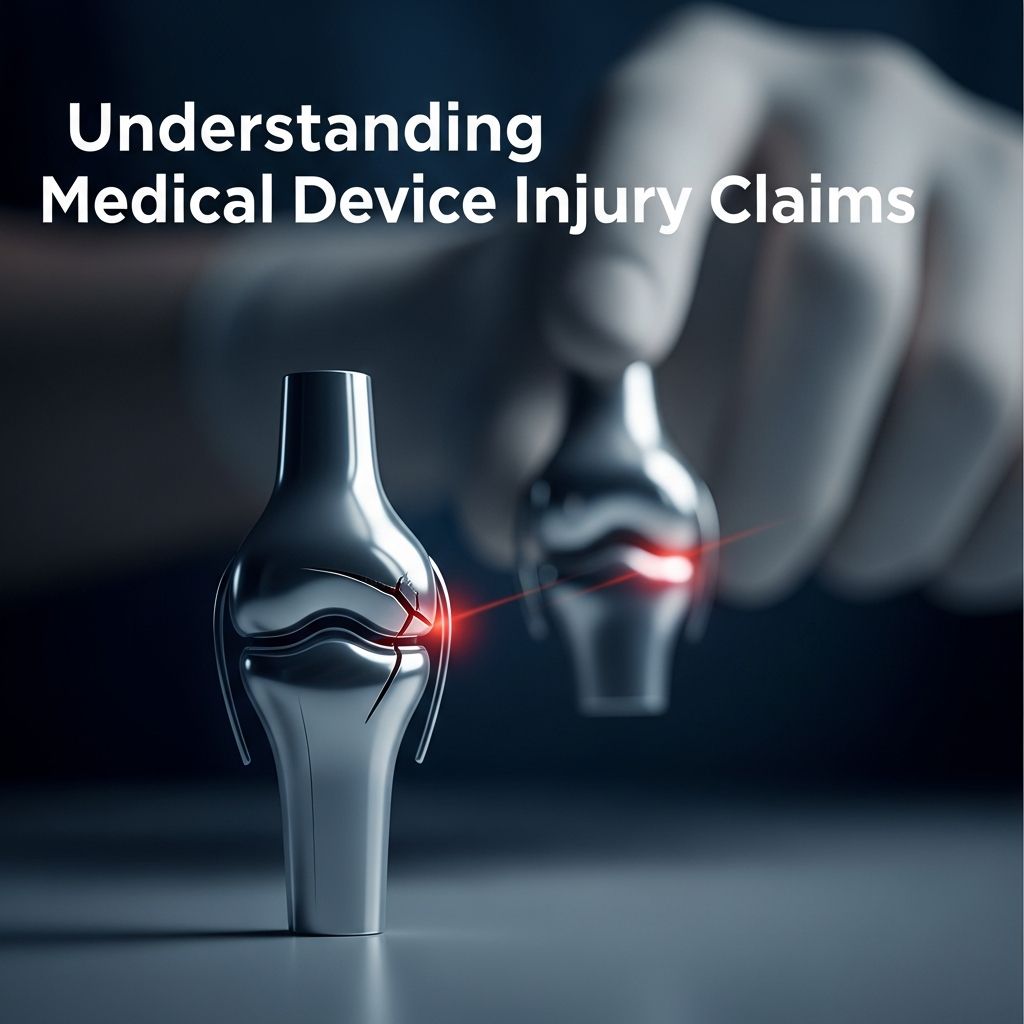
The Landscape of Medical Device Litigation
Medical devices serve a critical role in modern healthcare, offering patients hope for improved mobility, extended lifespans, and relief from debilitating conditions. However, when manufacturers fail to ensure product safety, quality, or provide adequate warnings, the consequences can be devastating. Thousands of individuals annually suffer serious injuries from defective medical devices, prompting them to pursue legal action against manufacturers, distributors, and other responsible parties. Understanding the nature of these lawsuits, the legal theories behind them, and your rights as a potential victim is essential for anyone harmed by a faulty medical device.
Three Primary Bases for Medical Device Liability
Medical device injury lawsuits typically rest on three fundamental legal theories, each addressing different aspects of product defect and manufacturer responsibility. These frameworks help injured parties hold companies accountable and recover compensation for their damages.
Design Defect Claims
A design defect occurs when the fundamental blueprint or concept of a medical device is flawed, making it inherently unsafe even when manufactured correctly. In these cases, the problem exists at the conception stage—the device was designed in a way that creates an unreasonable risk of harm to users. Design defect claims often involve demonstrating that a safer alternative design was feasible and that the manufacturer knew or should have known about the risks associated with their chosen design. For example, if a surgical implant was engineered with materials prone to degradation within the human body, or if its structural design makes it susceptible to failure under normal use conditions, this would constitute a design defect. Plaintiffs must typically show that the risks of the design outweighed its benefits and that a reasonable alternative existed.
Manufacturing Defect Claims
Manufacturing defects differ from design flaws in that the product concept itself may be sound, but errors during production cause individual units to be unsafe. These defects arise during the manufacturing, assembly, or quality control processes. A device might leave the factory with impurities, incorrect material composition, assembly errors, or contamination that renders it dangerous. Manufacturing defects are often easier to prove than design defects because they don’t require challenging the entire product design—only demonstrating that this particular device deviated from the intended specifications. For instance, if hernia mesh was improperly sterilized during manufacturing, or if surgical instruments contained metal particles due to processing failures, these would represent manufacturing defects.
Failure to Warn Claims
Even when a device is properly designed and manufactured, manufacturers have a legal duty to warn healthcare providers and patients about known risks and potential complications. Failure to warn claims assert that companies neglected this responsibility by not adequately disclosing dangers, potential side effects, or contraindications. This includes failing to provide proper instructions for use, failing to update warnings when new risks became apparent, or presenting warnings in a manner so unclear or buried that reasonable users wouldn’t notice them. For example, if a manufacturer discovered through post-market surveillance that their device increased infection risk but continued selling it without updating warnings to surgeons and patients, this negligence could form the basis for a failure to warn lawsuit.
Categories of Responsible Parties in Device Litigation
Liability in medical device cases extends beyond manufacturers. Multiple parties in the distribution and use chain may share responsibility:
- Device Manufacturers: The primary defendants, responsible for design, manufacturing, and warnings
- Component Suppliers: Companies that provided materials or parts used in the final device
- Distributors and Retailers: Entities involved in selling or supplying the device to healthcare facilities
- Testing Laboratories: Third-party facilities that conducted safety testing and certification
- Healthcare Institutions: Hospitals or surgical centers may bear liability for negligent selection or use of known defective devices
- Surgeons and Medical Professionals: In some cases, practitioners who implanted devices despite known risks or improper use
Notable Medical Device Cases and Their Impact
Hip Implant Controversies
Metal-on-metal hip implants represent one of the most significant medical device litigation areas. Originally designed to provide greater stability and durability compared to traditional implants, these devices have proven problematic in practice. The metal-on-metal design can generate metallic particles that accumulate in surrounding tissues and enter the bloodstream, a condition known as metallosis. Patients have reported severe pain, tissue destruction, bone deterioration, and the need for multiple revision surgeries. Major manufacturers faced substantial settlements: Stryker resolved lawsuits with affected patients for approximately $1 billion in 2014, while Johnson & Johnson agreed to pay $2.5 billion to settle 8,000 lawsuits a year earlier. These cases demonstrate the capacity of medical device litigation to hold large corporations accountable and provide meaningful compensation to injured parties.
Hernia Mesh Complications
Hernia mesh represents one of the fastest-growing areas of medical device litigation. Used in approximately 90% of hernia repair surgeries across the United States, these mesh implants are designed to reinforce weakened tissue and facilitate healing. However, numerous brands have caused serious complications including chronic pain, infections, mesh migration (movement from its intended location), organ perforation, tissue adhesion, and bowel obstruction. Many lawsuits allege that manufacturers rushed products to market without adequate testing and failed to adequately warn physicians about serious risks. When complications occur, patients often require additional surgeries to address problems like mesh removal or organ repair, resulting in compounded suffering and medical expenses. The prevalence of hernia mesh use combined with documented complications affecting thousands of patients has made this device category particularly active in litigation.
IVC Filter Failures
Inferior vena cava (IVC) filters were developed as a safety measure to prevent blood clots from reaching the lungs. However, many models have demonstrated serious defects including fracturing or migrating within the body. When filter components break apart, sharp fragments can puncture blood vessels or vital organs, creating life-threatening emergencies. The FDA issued multiple warnings about these risks, yet certain defective models remained available to patients for extended periods. Individuals who received these filters have faced ongoing medical monitoring and in some cases emergency surgical procedures to retrieve or manage filter fragments. The failure of regulatory oversight to remove problematic products more quickly has fueled litigation against manufacturers.
Textured Breast Implant Recalls
In 2019, pharmaceutical company Allergan issued a global recall of textured breast implants following an FDA request due to increased cancer risk concerns. Textured implants, designed with a roughened surface to reduce movement, were associated with a rare type of lymphoma called anaplastic large cell lymphoma (ALCL). The recall sparked significant mass tort litigation as patients sought compensation for having undergone unnecessary surgeries, living with cancer risk, and enduring removal procedures. This case illustrates how regulatory action can trigger subsequent civil litigation and how manufacturers may face liability even after attempting to remedy problems through recalls.
Compensation Available in Medical Device Lawsuits
Injured parties pursuing medical device claims may be entitled to recover various damages:
| Damage Category | Description |
|---|---|
| Medical Expenses | All costs associated with treating device-related injuries, including revision surgeries, hospitalization, medications, physical therapy, and ongoing monitoring |
| Lost Income | Wages and salary lost due to time spent recovering, undergoing treatment, or being unable to work due to device complications |
| Pain and Suffering | Compensation for physical pain, emotional distress, and diminished quality of life resulting from device failure |
| Permanent Disability | Damages for permanent impairment, mobility limitations, or chronic conditions caused by the defective device |
| Punitive Damages | In cases of gross negligence or reckless conduct, courts may award punitive damages to punish the defendant and deter future misconduct |
The Role of Regulatory Approval in Litigation
An important and sometimes contentious aspect of medical device litigation involves the role of FDA approval or clearance. Some manufacturers argue that FDA clearance demonstrates their product’s safety and should shield them from liability. However, courts have increasingly recognized that FDA approval does not eliminate manufacturer responsibility for defective or dangerous devices. The FDA’s review process, while rigorous, has limitations and cannot catch every problem. Additionally, manufacturers may fail to report post-market adverse events or updates to warnings that become necessary after FDA approval. Legal disputes have centered on whether plaintiffs can present evidence of FDA approval to juries, with some courts ruling that excluding this evidence can unfairly prejudice defendants, while others have permitted juries to evaluate product safety independently of regulatory status.
Pursuing a Medical Device Claim
If you have been injured by a defective medical device, several steps are important:
- Document Everything: Keep all medical records, surgical notes, device identification information, and documentation of complications
- Seek Medical Attention: Ensure you receive appropriate treatment for device-related injuries and maintain detailed records of all healthcare encounters
- Preserve Evidence: Keep the device if possible, along with original packaging and any written materials that came with it
- Consult an Attorney: Contact a personal injury lawyer experienced in medical device cases to evaluate your potential claim
- Understand Statutes of Limitations: Be aware that time limits exist for filing claims; these vary by jurisdiction and type of injury
Individual Lawsuits vs. Class Actions and Mass Torts
Medical device victims can pursue claims through different legal mechanisms. Individual lawsuits allow for personalized compensation based on specific circumstances and damages. Class actions consolidate claims from multiple injured parties into a single lawsuit, which can provide efficiency and ensure smaller claimants still have a voice. Mass tort litigation sits between these approaches, consolidating claims while maintaining individual consideration of each plaintiff’s unique injuries and damages. The choice of mechanism depends on case circumstances, the number of affected individuals, and litigation strategy.
Frequently Asked Questions
Q: What types of damages can I recover in a medical device lawsuit?
A: You may recover economic damages (medical bills, lost wages), non-economic damages (pain and suffering), and potentially punitive damages. The specific amounts depend on your injuries and the circumstances of the case.
Q: How long do I have to file a medical device lawsuit?
A: Statutes of limitations vary by state and claim type, typically ranging from two to four years from the date of injury or discovery of the problem. Consult with an attorney in your jurisdiction to understand applicable deadlines.
Q: Does FDA approval protect manufacturers from lawsuits?
A: No. While FDA clearance demonstrates the agency reviewed the device, it does not shield manufacturers from liability for defects, inadequate warnings, or misconduct. You can still pursue claims even for FDA-approved devices.
Q: Can I sue if I signed an informed consent form?
A: Yes. Informed consent documents do not eliminate manufacturer liability for design defects, manufacturing defects, or fraudulent misrepresentation about device safety.
Q: Who can be held liable in a medical device case?
A: Manufacturers, component suppliers, distributors, testing facilities, and in some cases healthcare providers or surgeons may share liability depending on their role in bringing the defective device to you.
Q: How much do these lawsuits typically settle for?
A: Settlement amounts vary widely based on injury severity, medical expenses, lost income, and other factors. Major cases involving thousands of plaintiffs have resulted in settlements ranging from millions to billions of dollars.
References
- 8 Medical Devices That Have Sparked Mass Tort Litigation — Alert Communications. https://www.alertcommunications.com/blog/8-medical-devices-that-have-sparked-mass-tort-litigation/
- Defective Medical Device Lawsuits — Ferrer Poirot Feller LLP. https://www.lawyerworks.com/blog/defective-medical-device-lawsuits/
- Defective Medical Device Lawsuits | Legal Help for Your Injuries — Motley Rice LLC. https://www.motleyrice.com/medical-devices
- Litigation in the Medical Device Industry — AdvaMed. 2022-05-31. https://www.advamed.org/2022/05/31/litigation-in-the-medical-device-industry/
- Defective Drug & Medical Device Lawsuits — SSK Law. https://sskblaw.com/class-action-and-mass-tort/defective-drug-medical-device-lawsuits
- Medical Device Litigation — Beasley Allen. https://www.beasleyallen.com/medical-device-litigation/
Similar Articles








Read full bio of medha deb




