
Mastering Cross-Examination: Strategies for Trial Success
Unlock powerful cross-examination techniques to dismantle opposing testimony and strengthen your case in court.
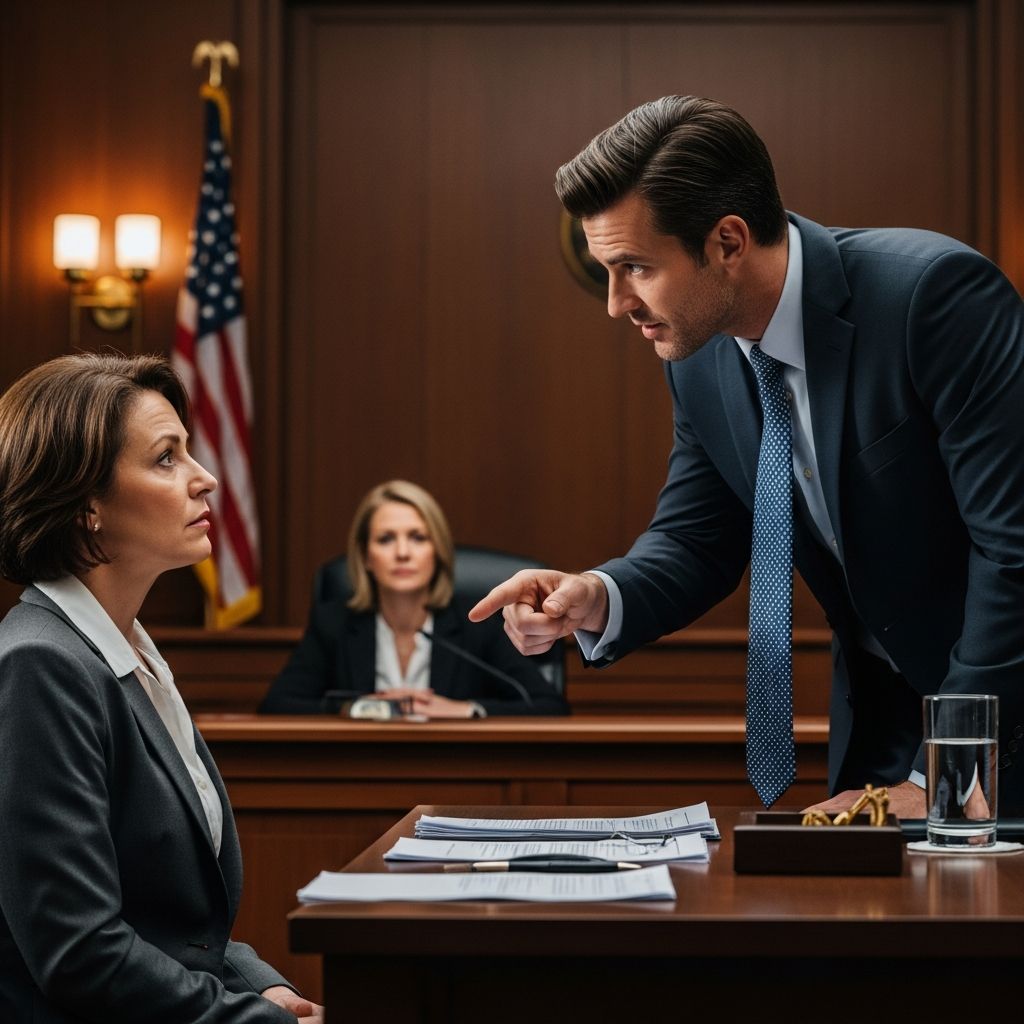
Cross-examination stands as one of the most pivotal moments in any trial, offering attorneys the chance to challenge witness credibility, expose inconsistencies, and reinforce their narrative. When executed with precision, it can shift the momentum of a case decisively in your favor. This comprehensive guide draws on established legal practices to equip trial lawyers with actionable strategies, ensuring you control the witness stand and captivate the factfinder.
Building a Rock-Solid Foundation: Pre-Trial Preparation
Success in cross-examination begins long before stepping into the courtroom. Thorough preparation transforms potential chaos into a controlled demolition of the opposition’s story. Start by dissecting every piece of available evidence, including depositions, documents, emails, and prior statements. Create detailed timelines and cross-reference facts across sources to identify discrepancies that can be exploited.
Organize your objectives into clear, prioritized chapters. Rank potential issues by impact: focus on the top two or three that directly undermine the witness’s reliability or support your theory of the case. For each, outline supporting documentation, such as enlarged deposition excerpts or video clips for impeachment. Practice your lines with a focus group to refine timing and anticipate responses.
- Examine all materials: Review transcripts, emails, and exhibits meticulously to build sequences of irrefutable questions.
- Prioritize big points: Eliminate minor details; jurors respond to high-stakes revelations that align with your case theme.
- Anticipate defenses: Prepare fallback questions for every possible witness answer, ensuring adaptability.
This groundwork ensures you know the facts better than the witness, positioning you to dictate the narrative without surprises.
Crafting Unassailable Questions: The Art of Control
The hallmark of effective cross-examination is the use of leading, closed-ended questions. These restrict the witness to yes/no responses, preventing narrative hijacks and maintaining your command. Phrase questions to embed facts you already know from prior testimony or documents, forcing agreements that build your momentum.
Avoid open-ended queries that invite explanation. Instead, sequence questions rhythmically: establish undisputed facts first, then pivot to contradictions. For instance, confirm neutral details like time, weather, or location before highlighting inconsistencies in the witness’s account.
| Poor Question Example | Improved Leading Question | Expected Outcome |
|---|---|---|
| What happened at the scene? | It was dark and raining that night, correct? | Yes – Locks in favorable fact. |
| Why did you act that way? | You told him to leave immediately, didn’t you? | Yes – Controls sequence. |
| Describe the conversation. | His employment ended effective right then, right? | Yes – Builds to impeachment. |
Always know the answers in advance: draw from the witness’s statement, stipulated facts, exhibits, or direct exam. This ‘control rule’ minimizes risks and maximizes credibility erosion.
Structuring Your Cross: Primacy, Recency, and Flow
Structure your examination to leverage psychological principles like primacy (first impressions stick) and recency (last points linger). Open and close with your strongest material—areas of agreement or devastating contradictions—to frame the witness’s testimony favorably for your side.
Use smooth transitions to guide the jury through your logic without telegraphing attacks. Neutral phrases like “Let’s discuss the sequence of events” keep the witness off-balance while orienting factfinders. Weaker points go in the middle, sandwiched for safety.
- Start with non-confrontational agreements to build rapport and highlight favorable omissions from direct.
- Transition to core disputes, using math-like logic: Get ‘yes’ on X and Y, then imply Z without forcing the conclusion.
- End powerfully, confronting biases or unsupported claims head-on.
Adhere to a consistent case theme throughout, simplifying complex disputes into memorable takeaways that resonate with jurors.
Handling Different Witness Types: Adapt and Conquer
Not all witnesses are alike; tailor your approach to their demeanor and tendencies. Honest but nervous types yield to patient, rhythmic questioning. Aggressive or evasive ones require firmer control—pause after contentious answers to let silence amplify discomfort.
Spot exaggeration or vagueness early: probe for specifics on vague language or unsupported recommendations. If a witness fights for control or rambles, redirect with precise follow-ups. Exaggerators falter under repeated closed questions that expose overreach.
- Nervous witness: Speak clearly, vary tone gently, allow brief pauses.
- Hostile witness: Stay assertive, never aggressive; use documents to pin them down.
- Expert witness: Challenge methodology gaps or outdated data without broad conclusions.
Adjust on the fly based on real-time performance, always prioritizing big-picture impact over exhaustive detail.
Delivery Mastery: Command the Courtroom
Your physical and vocal presence amplifies question effectiveness. Face the witness squarely to assert dominance, using pauses, volume shifts, and enunciated words for drama. Vary tone for emphasis but maintain an authoritative, non-aggressive voice.
Keep eyes on the witness, not the jury—let your questions draw their attention naturally. Build tension with strategic silences after key admissions, allowing the weight to sink in. Practice relentlessly to internalize pacing, ensuring fluid execution under pressure.
Stay focused on client story themes; irrelevant tangents bore jurors. Meet opposing strengths head-on via targeted rebuttals, turning weaknesses into opportunities.
Common Pitfalls to Avoid: Lessons from the Trenches
Even seasoned attorneys stumble. Never ask questions without knowing the answer, as surprises can backfire. Resist drawing broad conclusions from witnesses—they rarely self-incriminate. Stick to facts, saving arguments for closing.
Beware ‘yes, but…’ traps if you’re the witness: answer directly, letting counsel clarify later. For lawyers, don’t rush agreements or overload with minor points—quality trumps quantity.
Advanced Techniques: Impeachment and Beyond
Impeachment elevates cross from challenge to destruction. Use prior inconsistent statements via deposition clips or documents. Highlight biases, incomplete investigations, or deviations from best practices indirectly, through logical chains rather than accusations.
For fact disputes, secure agreements on components before implying the whole. If a witness denies your equation, pivot to evidence proving your version via other sources. This puzzle-piece approach lets the judge assemble your favorable picture.
Frequently Asked Questions (FAQs)
What are the most important rules for cross-examination questions?
Use only leading, closed-ended questions you know the answer to, structured to control the narrative and expose inconsistencies.
How do you prepare for cross-examining a hostile witness?
Anticipate resistance with document-backed sequences, stay calm, and use pauses to maintain control without aggression.
Why structure cross with strongest points first and last?
Primacy and recency effects ensure jurors remember your key hits, framing the entire testimony positively.
Can you ask questions you don’t know the answer to?
Rarely—only if both yes/no paths advance your case; otherwise, stick to known facts for safety.
How to handle a witness who rambles during cross?
Interrupt politely with precise yes/no follow-ups, referencing documents to refocus and limit explanation.
References
- Five Tips for Developing Effective Cross-Examination — AFCC. 2023-01-01. https://www.afccnet.org/Resource-Center/eNews/five-tips-for-developing-effective-cross-examination
- Cross Examination – Mock Trial Strategies — Mock Trial Strategies. 2023-01-01. https://www.mocktrialstrategies.com/cross-examination/
- 10 Rules to Improve Trial Cross-Examination — Washington State Bar News. 2023-02-09. https://wabarnews.org/2023/02/09/10-rules-to-improve-trial-cross-examination/
- 3 Essential Tips For Cross Examination Questions — Casefleet. 2023-01-01. https://www.casefleet.com/blog/the-bible-of-cross-examination/
- How To Handle Aggressive Cross Examination In A Court Case — Criminal Attorney Columbus. 2023-01-01. https://www.criminalattorneycolumbus.com/how-to-answer-cross-examination-questions-handlng-aggressive-cross-examination-tips/
Similar Articles








Read full bio of Sneha Tete




