
Low Fuel Costs and Surging Roadway Fatalities
Uncovering the hidden dangers of affordable gasoline: how cheaper fuel drives up traffic accidents and deaths across America.
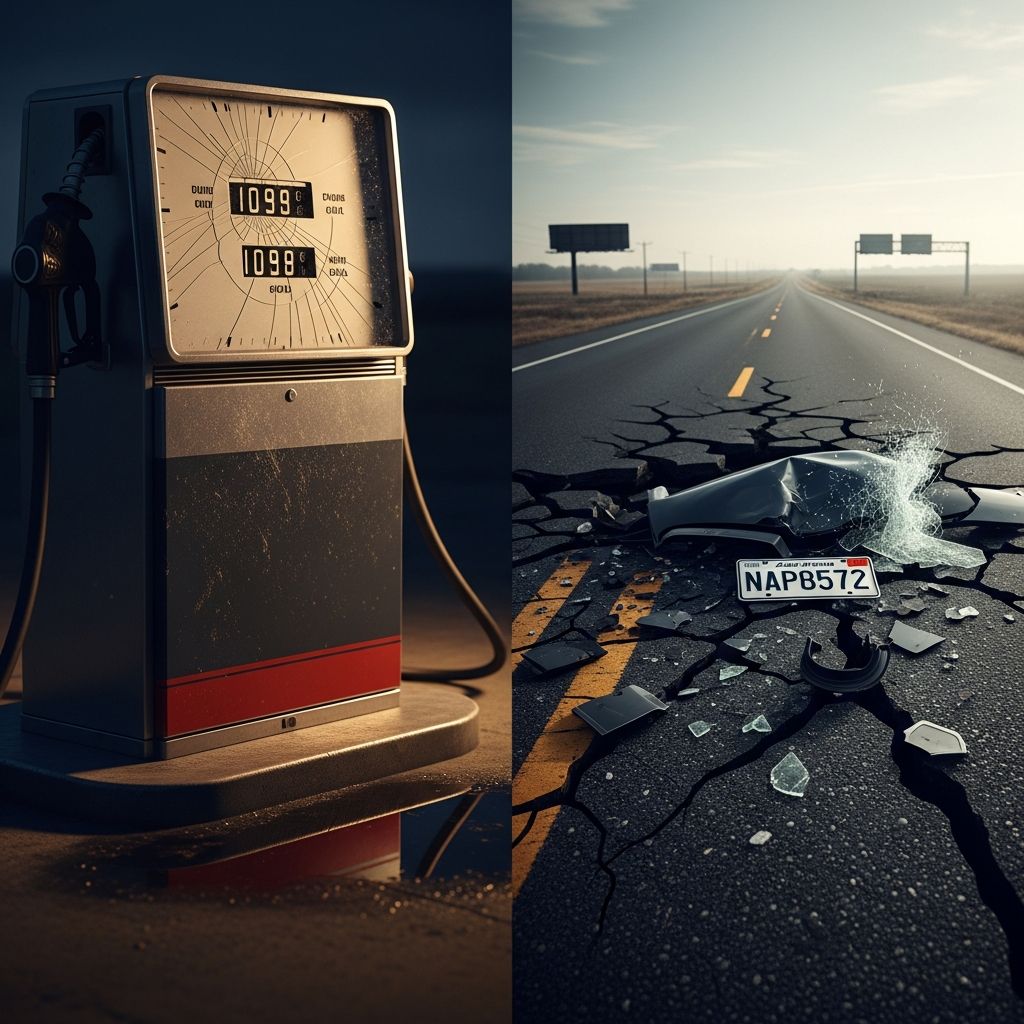
Affordable gasoline has long been celebrated by American drivers for stretching budgets further and enabling spontaneous road trips. However, this economic boon carries a perilous downside: a measurable uptick in traffic accidents and fatalities. As fuel prices drop, miles driven skyrocket, congestion intensifies, and risky behaviors proliferate, turning highways into deadlier corridors.
The Data Behind the Danger: Fatalities on the Rise
Recent statistics paint a stark picture of how low gas prices fuel tragedy. In 2015, U.S. traffic deaths surged by over 7% to 35,092—the largest annual jump since 1966—coinciding with plummeting pump prices and record vehicle miles traveled (VMT) reaching 3.15 trillion. This isn’t isolated; studies link every 20-cent drop per gallon to approximately 15 additional roadway deaths annually in states like Minnesota, potentially scaling to thousands nationwide during prolonged low-price periods.
Government data from the National Highway Traffic Safety Administration (NHTSA) underscores this trend: cheaper fuel prompts more vehicles on roads, amplifying collision risks through sheer volume. Meanwhile, research from the Centers for Disease Control and Prevention (CDC) reveals an inverse relationship—higher gas prices historically reduce crash mortality by curbing unnecessary trips.
Why Cheap Gas Equals More Crashes: Behavioral Shifts Explained
The mechanics are straightforward yet alarming. When fuel costs dip, drivers log more miles, take detours for leisure, and abandon fuel-efficient habits like steady speeds or consolidated errands. High prices, conversely, foster caution: slower acceleration, fewer trips, and grouped destinations—all hallmarks of safer motoring.
- Increased VMT: Low prices boost total driving by billions of miles yearly, overwhelming infrastructure.
- Riskier Habits: Drivers speed up, tailgate, and ignore efficiency, heightening crash severity.
- Vehicle Choices: Bargain fuel tempts purchases of inefficient SUVs and trucks, which fare worse in collisions.
- Congestion Surge: More cars mean gridlock, distraction, and rear-end incidents.
Economists note this elasticity: a 10% price drop can spike VMT by 3-5%, directly correlating with fatality rates.
Economic Boom, Roadway Bust: Unemployment and Growth Factors
Beyond fuel, a robust job market exacerbates risks. Low unemployment in 2015 drew more commuters, layering economic optimism atop cheap gas for a perfect storm. Thriving economies mean fuller roads during peak hours, where fatigue and haste compound dangers.
| Factor | Impact on Driving | Fatality Correlation |
|---|---|---|
| Low Gas Prices | +3.15T VMT in 2015 | +7% deaths (35,092 total) |
| Low Unemployment | More commuters | Spike in peak-hour crashes |
| High Gas Prices | Reduced trips | Lower mortality rates |
This table illustrates key drivers: prosperity fuels roads, but without safeguards, it claims lives.
Environmental and Health Ripples from Excess Driving
Cheap gas doesn’t just endanger drivers; it pollutes air and accelerates climate change. Extra VMT pumps out more greenhouse gases, worsening urban smog linked to respiratory diseases. Gas-guzzler sales rise too, locking in long-term emissions and safety deficits—larger vehicles offer false security but increase pedestrian risks.
Government Responses: Taxes, Tech, and Awareness Campaigns
Agencies like NHTSA counter with multifaceted strategies. Public campaigns target distracted and impaired driving, perennial culprits amplified by volume. Fuel taxes surface as a deterrent: modest hikes could trim VMT without crippling economies, mirroring successes where price spikes cut deaths.
Long-term, autonomous vehicles promise elimination of human error, responsible for 94% of crashes. Pilots and incentives accelerate adoption, potentially slashing fatalities dramatically.
Driver Responsibilities in a Low-Price Era
Ultimately, personal accountability reigns. Even with cheap fuel, adopt these habits:
- Maintain steady speeds to save gas and reduce risks.
- Plan trips efficiently, avoiding impulse drives.
- Steer clear of distractions—phones cause 25% of crashes.
- Never drink and drive; impairment kills one every 45 minutes.
- Choose safer cars with high crash ratings.
Defensive driving turns potential disasters into near-misses, regardless of pump prices.
Legal Recourse for Crash Victims
When accidents occur, victims deserve justice. Personal injury claims hinge on negligence proof—speeding, distraction, or recklessness amid crowded roads. Compensation covers medical bills, lost wages, and pain. Nevada firms note low-gas surges strain systems, urging prompt action. Consult attorneys versed in traffic dynamics for maximum recovery.
Future Outlook: Stabilizing Prices and Smart Mobility
As oil markets fluctuate, expect volatility. Electric vehicles and ride-sharing may blunt low-price spikes by reducing personal VMT. Policy must balance affordability with safety—perhaps through dynamic pricing or infrastructure upgrades. Data predicts: sustained lows could add 9,000 deaths from a $2/gallon drop.
Frequently Asked Questions (FAQs)
How much do low gas prices increase driving miles?
Typically 3-5% per 10% price drop, leading to billions more miles annually.
Can fuel taxes reduce accidents?
Yes, higher prices historically lower fatalities by discouraging excess travel.
What role does the economy play in road deaths?
Low unemployment boosts commuters, intensifying risks during cheap-gas periods.
Are self-driving cars the fix?
Potentially; they could eliminate human-error crashes, per NHTSA projections.
How to drive safely when gas is cheap?
Focus on defense: no distractions, steady speeds, and sober operation.
References
- Low Gas Prices Contribute to Record Traffic Deaths — TIME. 2016-07-07. https://time.com/4472374/traffic-deaths-gas-price/
- How Low Gas Prices Lead to More Accidents and Fatalities — Shook & Stone. Accessed 2026. https://www.shookandstone.com/blog/how-low-gas-prices-lead-to-more-accidents-and-fatalities/
- Low Gas Prices, Employment Blamed For More Traffic Deaths — Scripps News. 2016. https://www.scrippsnews.com/us-news/low-gas-prices-employment-blamed-for-more-traffic-deaths
- High Gasoline Prices and Mortality From Motor Vehicle Crashes — CDC. 2006. https://stacks.cdc.gov/view/cdc/186823/cdc_186823_DS1.pdf
Similar Articles








Read full bio of Sneha Tete




