
Logical Fallacies in Law: Errors to Eliminate
Master critical thinking by spotting and stopping common logical fallacies that undermine legal arguments and courtroom success.
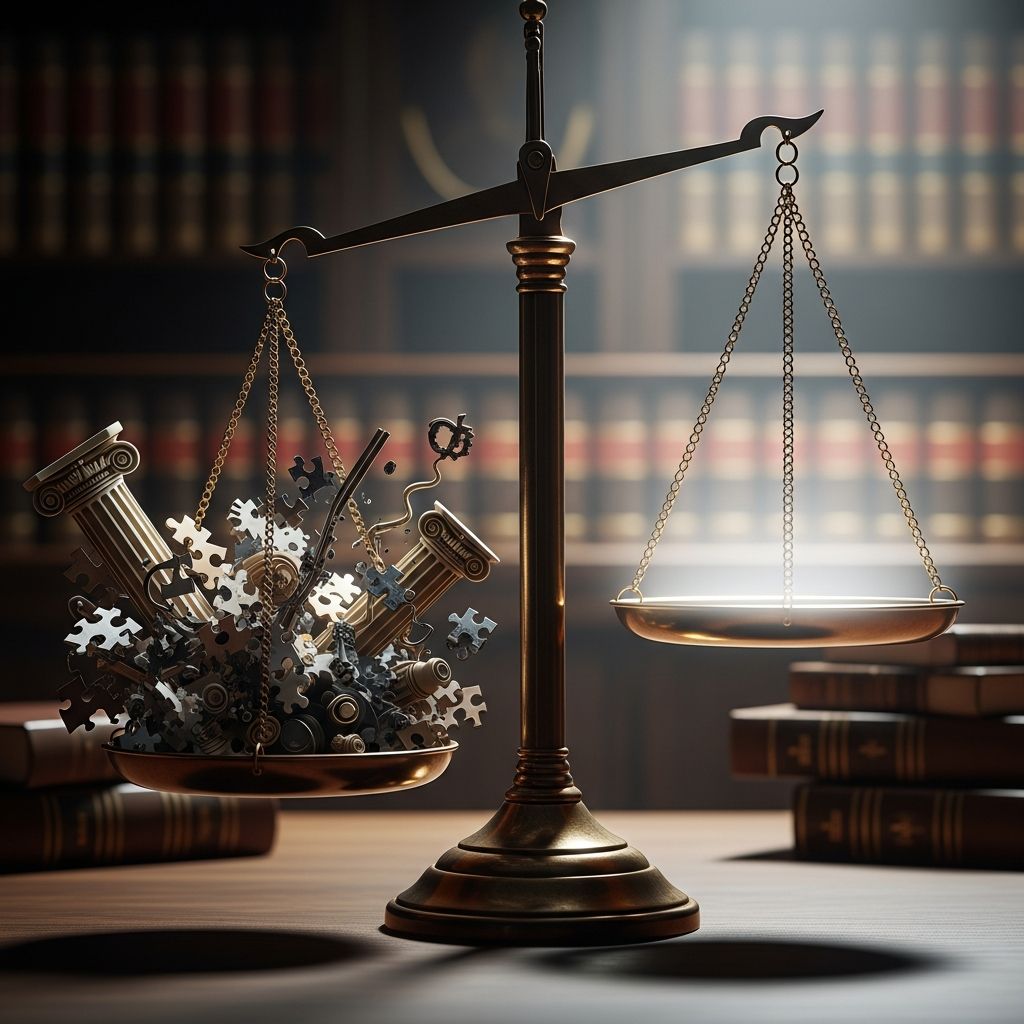
Legal professionals rely on sharp reasoning to build cases, persuade judges, and sway juries. Yet, flawed logic often creeps into arguments, weakening positions and eroding credibility. Understanding these pitfalls equips attorneys to dismantle opponents’ claims and refine their own advocacy. This article examines prevalent reasoning errors in legal settings, offers real-world examples, and provides countermeasures grounded in rigorous analysis.
Why Logical Flaws Persist in Legal Discourse
Courtrooms and negotiations demand quick thinking under pressure, making susceptibility to logical errors inevitable. Cognitive shortcuts, known as heuristics, can lead even seasoned lawyers astray. These fallacies not only distort facts but also manipulate perceptions, influencing outcomes in trials, depositions, and briefs. Recognizing them fosters intellectual discipline, enhancing persuasive power while upholding ethical standards.
Studies in legal rhetoric highlight how fallacies evade scrutiny because they mimic valid reasoning. For instance, partial truths embedded in flawed conclusions create an illusion of solidity. Attorneys who master detection gain a strategic edge, turning opponents’ weaknesses into opportunities.
Personal Attacks: The Ad Hominem Trap
One of the most insidious errors targets the arguer rather than the argument. Called ad hominem, this tactic dismisses claims by attacking character, motives, or background. In legal contexts, a lawyer might question a witness’s reliability by highlighting past inconsistencies or personal biases instead of addressing testimony directly.
Consider a contract dispute where one side labels the other ‘untrustworthy’ due to prior bankruptcies. This sidesteps evidence like signed agreements or performance records. Such moves poison discourse, as audiences conflate personal flaws with substantive merit.
- Identification Tip: Watch for phrases like ‘Of course you would say that’ or references to irrelevant history.
- Countermeasure: Redirect: ‘My client’s financial past doesn’t alter the contract terms here. Let’s examine the document.’
- Legal Impact: Judges often sustain objections to these, preserving focus on facts.
Misrepresenting Positions: Straw Man Arguments
Straw man fallacies distort opponents’ statements into exaggerated, indefensible versions. Lawyers build cases against these caricatures, avoiding the real issue. In family law, if a parent advocates for shared custody citing the child’s needs, the response might caricature it as ‘You want total control, ignoring the mother’s role’.
This tactic thrives in heated cross-examinations. A witness testifying about safety concerns might face: ‘So you’re claiming no one should ever drive fast?’ The exaggeration shifts debate from specifics to absurdity.
| Fallacy Element | Example in Court | Effective Rebuttal |
|---|---|---|
| Exaggeration | ‘You oppose all regulations?’ (from mild critique) | ‘I suggested targeted reforms, not elimination.’ |
| Selective Quoting | Ignoring context in deposition excerpts | Present full transcript for clarity. |
| Fringe Association | Linking to extreme views not held | ‘My position aligns with mainstream precedent.’ |
Limited Choices: False Dilemmas Exposed
False dilemmas force binary options when nuances exist, pressuring agreement on false premises. Examples include ‘Either accept this settlement or face ruinous litigation’ in negotiations, ignoring mediation or partial awards.
In criminal defense, prosecutors might frame: ‘If innocent, why not testify?’ This overlooks Fifth Amendment rights and strategic silence. Victims’ advocates use it too: ‘Support this bill or abandon justice.’ Real decisions involve gradients.
- Common Triggers: Words like ‘either/or,’ ‘all or nothing.’
- Response Strategy: Introduce thirds: ‘Alternatives like arbitration offer balanced paths.’
- Ethical Note: ABA rules caution against manipulative framing.
Assuming Causation: Post Hoc and Questionable Links
Post hoc ergo propter hoc (‘after this, therefore because of this’) assumes sequence implies causation. A plaintiff claims a product caused injury post-purchase, ignoring other factors like user error.
Broader questionable cause fallacies link unrelated events: ‘No conviction means no crime occurred.’ Statistics from the National Registry of Exonerations show thousands cleared post-conviction, underscoring correlation pitfalls.
To counter:
- Gather alternative explanations via expert testimony.
- Demand empirical data: ‘Show studies linking X to Y.’
- Use timelines: ‘Event A preceded B, but intervening factors explain it.’
Distractions and Irrelevancies: Red Herrings and Ignoratio Elenchi
Red herrings divert attention to tangential issues. In trials, discussing a defendant’s philanthropy sidesteps liability evidence. Ignoratio elenchi (‘ignorance of refutation’) proves an unrelated point, like debating policy in a contract breach case.
These waste time, frustrating courts. Judges intervene, but prevention starts with objection: ‘This doesn’t address the claim at hand.’
Bandwagon and Hasty Conclusions in Persuasion
Bandwagon appeals to popularity: ‘All experts agree,’ without naming them. Hasty generalizations leap from anecdotes: ‘One bad outcome proves systemic failure’.
In appeals, citing ‘public sentiment’ sways unwisely. Counter with data: Peer-reviewed studies or precedents.
Slippery Slopes: Exaggerated Consequences
Slippery slope predicts dire chains from minor actions: ‘Allow this precedent, and chaos ensues.’ Without evidence, it alarms without substance.
Rebut: ‘No data supports that progression; similar rulings haven’t led there.’
Building Defenses: Training for Fallacy-Free Advocacy
Firms should integrate fallacy workshops, using mock trials. Resources like philosophy texts on logic aid self-audit. Ethical codes from state bars emphasize sound reasoning, with sanctions for egregious misuse.
Benefits extend beyond court: Clients value transparent counsel. Long-term, fallacy-aware lawyers contribute to just systems.
Frequently Asked Questions (FAQs)
What is the most common logical fallacy in court?
Ad hominem attacks top lists, as they exploit emotions over evidence.
How do I spot a straw man during cross-examination?
Listen for distortions of your words; immediately clarify: ‘That’s not what I said.’
Are logical fallacies unethical for lawyers?
Not always intentional, but persistent use risks bar complaints for misleading advocacy.
Can fallacies sway judges?
Yes, but experienced ones spot and correct them, favoring structured briefs.
How to teach juniors to avoid these?
Use case studies and debates focusing on rebuttals.
Conclusion: Elevate Your Practice Through Precision
Eradicating logical fallacies sharpens arguments, bolsters ethics, and secures wins. Commit to vigilance for superior legal craftsmanship.
References
- How to Answer Bad Questions — Bundy Law Office. 2023-05-15. https://www.bundylawoffice.com/blog/how-to-answer-bad-questions/
- Unmasking Logical Fallacies: A Guide for Recognizing and Avoiding — Tennessee Law Review. 2024-02-10. https://tennesseelawreview.org/blogpostunmaskinglogicalfallacies/
- 7 Common Logical Fallacies — YouTube (Educational Video). 2022-08-20. https://www.youtube.com/watch?v=9upBndDt76w
- How To Counter 7 Logical Fallacies In Legal Arguments — Law360. 2020-11-12. https://www.law360.com/articles/2443351/how-to-counter-7-logical-fallacies-in-legal-arguments
Similar Articles








Read full bio of Sneha Tete




