
Living in Your Car: Legal Boundaries Across America
Navigate the complex laws on vehicle dwelling: from safe spots to strict bans and practical tips for compliance nationwide.
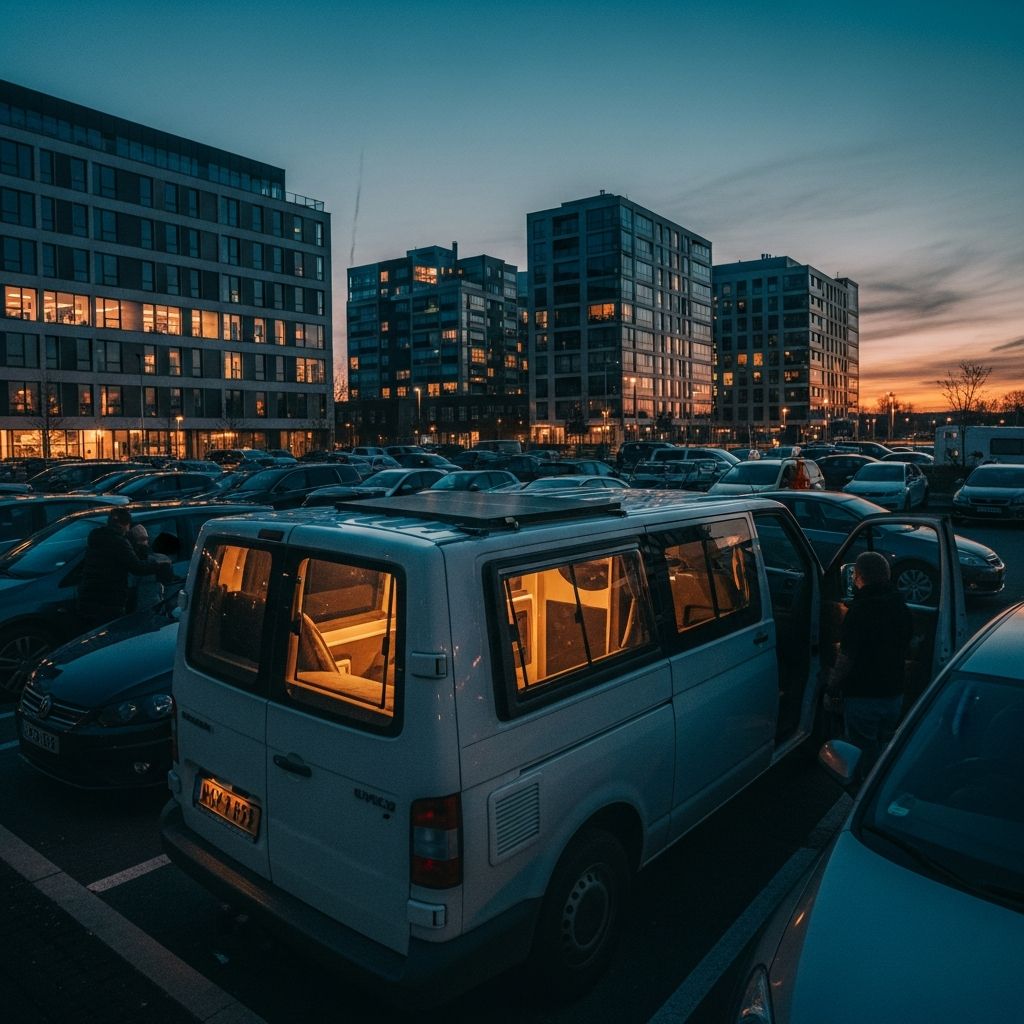
Residing in a vehicle has become a practical choice for many facing housing challenges, road trippers, or those in transition. While no federal law outright bans this practice, local regulations create a patchwork of rules determining its legality. Understanding these nuances is essential to avoid penalties ranging from tickets to towing or arrests.
The Patchwork of U.S. Laws on Vehicle Residency
No state imposes a complete prohibition on sleeping in a car, leaving decisions to cities and counties. This decentralized approach means legality hinges on location, timing, and circumstances. For instance, rest areas often permit short-term rest, but urban ordinances frequently restrict overnight stays to curb public camping.
Key factors influencing legality include:
- Local Ordinances: Many municipalities enact ‘vehicle habitation’ bans, prohibiting use of cars as dwellings on public streets.
- Property Type: Public spaces like streets differ from private lots requiring owner consent.
- Safety Zones: Proximity to schools or parks triggers stricter enforcement.
- Duration: Brief naps may be overlooked, but extended living invites scrutiny.
Safe and Legal Places to Park Overnight
Finding compliant spots requires research. Designated areas offer the lowest risk:
- State welcome centers and rest stops, typically allowing 8-24 hours of rest.
- 24-hour businesses like Walmart or gyms, though policies vary—always seek permission.
- Campgrounds or BLM land in rural areas for longer stays.
- Private property with explicit owner approval.
| Location Type | Typical Rules | Examples |
|---|---|---|
| Rest Areas | 8-24 hours max, no camping outside vehicle | Interstate stops in CA, OR, WA |
| Retail Lots | Permission required; no overnight without consent | Some Walmarts, truck stops |
| Rural Public Lands | Dispersed camping allowed up to 14 days | National Forests, BLM areas |
| Urban Streets | Often banned after hours | Most city cores |
High-Risk Zones to Avoid
Certain areas invite swift enforcement due to public safety or aesthetic concerns:
- Residential Neighborhoods: Overnight parking often violates signage or codes against ‘camping.’
- Business Districts: Vagrancy laws target loitering, including vehicle sleeping.
- School and Park Vicinities: Heightened monitoring to protect children.
- Private Lots: Trespass charges apply without permission, leading to towing.
State-by-State Breakdown: Lenient vs. Strict Jurisdictions
Laws vary widely. Western states often accommodate travelers, while coastal cities prioritize enforcement.
Permissive States
Nevada: Allows up to 24 hours in many spots, ideal for cross-country drivers.
Wyoming: Permits vehicle rest for safety, restricting only external camping.
Oregon and Washington: Designated rest areas welcome overnight stays at campgrounds or lots with permission.
Restrictive States and Cities
California (Los Angeles): Bans overnight parking in residential zones; vehicle habitation ordinances limit options.
Florida (Key West): Total prohibition within city limits.
Virginia (Virginia Beach): Strict bans with misdemeanor charges.
Colorado (Denver): ‘Unauthorized camping’ covers vehicles on public/private land without consent.
Hawaii (Honolulu): Sit-lie bans extend to vehicle use in parks.
New York City: Using vehicles as living quarters is effectively barred.
Potential Penalties and Enforcement Realities
Violations carry escalating consequences:
- Fines: $100-$500 common for first offenses.
- Towing: Prevalent on private property; recovery fees add hundreds.
- Misdemeanors: Trespass or vagrancy can lead to jail time in repeat cases.
- Other Risks: DUI if intoxicated; child endangerment if minors are aboard.
Officers often issue warnings first, but hotspots see immediate ticketing. Recent trends show rising enforcement amid homelessness debates.
Practical Strategies for Compliant Vehicle Living
Minimize risks with proactive steps:
- Research Ahead: Use apps like iOverlander or AllStays for legal spots.
- Stay Discreet: Use tint, covers; avoid setting up ‘camp’ visibly.
- Move Frequently: Rotate locations to evade patterns.
- Document Permission: Get written OK for private lots.
- Carry Essentials: Portable power, waste management for hygiene.
For long-term, consider certified RV parks or transitional housing programs.
Broader Context: Homelessness and Policy Shifts
Vehicle residency often ties to economic pressures. Cities grapple with encampments, leading to bans like Oregon’s recent measures against street sleeping, including vehicles. Advocacy groups push for safe parking programs, piloted in places like Ann Arbor, MI, offering supervised lots with services.
Federal input remains minimal, but DOT guidelines support rest area use for fatigued drivers. As housing costs rise, expect evolving laws balancing compassion and order.
Frequently Asked Questions (FAQs)
Is it ever fully legal to live in my car full-time?
No nationwide yes, but rural public lands or private agreements allow extended stays. Urban full-timing demands constant mobility.
What if I’m just resting after a long drive?
Rest areas are designed for this; 8 hours is standard without issue.
Can I sleep in my car with kids?
Possible but risky; child welfare laws may intervene if deemed unsafe.
How do recent anti-camping laws affect van lifers?
New rules in states like Oregon ban vehicle sleeping on public land, with few exceptions.
What’s the fine for getting caught in a ban city?
Varies: $250 in LA, up to $500 misdemeanor in VA.
This guide equips you with knowledge for safer travels. Always verify local codes, as they change frequently.
References
- Is It Illegal to Sleep in Your Car? Laws, Rules, and Where It’s Allowed — Intrepid Camp Gear. 2023-05-15. https://intrepidcampgear.com/blogs/news/is-it-illegal-to-sleep-in-your-car
- Is It Illegal to Sleep in Your Car? | State Laws & Safety Tips — DJC Law (Team Justice). 2024-02-20. https://teamjustice.com/is-it-illegal-to-sleep-in-your-car/
- Is It Illegal to Sleep in Your Car? What States? — Jackery. 2024-08-10. https://www.jackery.com/blogs/knowledge/is-it-illegal-to-sleep-in-your-car-what-states
- The TRUTH about new Anti-Vanlife Laws That Just Passed — YouTube (Video Transcript). 2024-11-05. https://www.youtube.com/watch?v=ATqXSpEDQjU
- Texas Penal Code Section 30.05 (Criminal Trespass) — Texas Legislature Online. 2025-01-01. https://statutes.capitol.texas.gov/Docs/PE/htm/PE.30.htm
Similar Articles








Read full bio of Sneha Tete




