
Limits of Juror Social Media Research in Trials
Navigating ethical boundaries when attorneys review jurors' online presence to ensure fair trials without crossing legal lines.
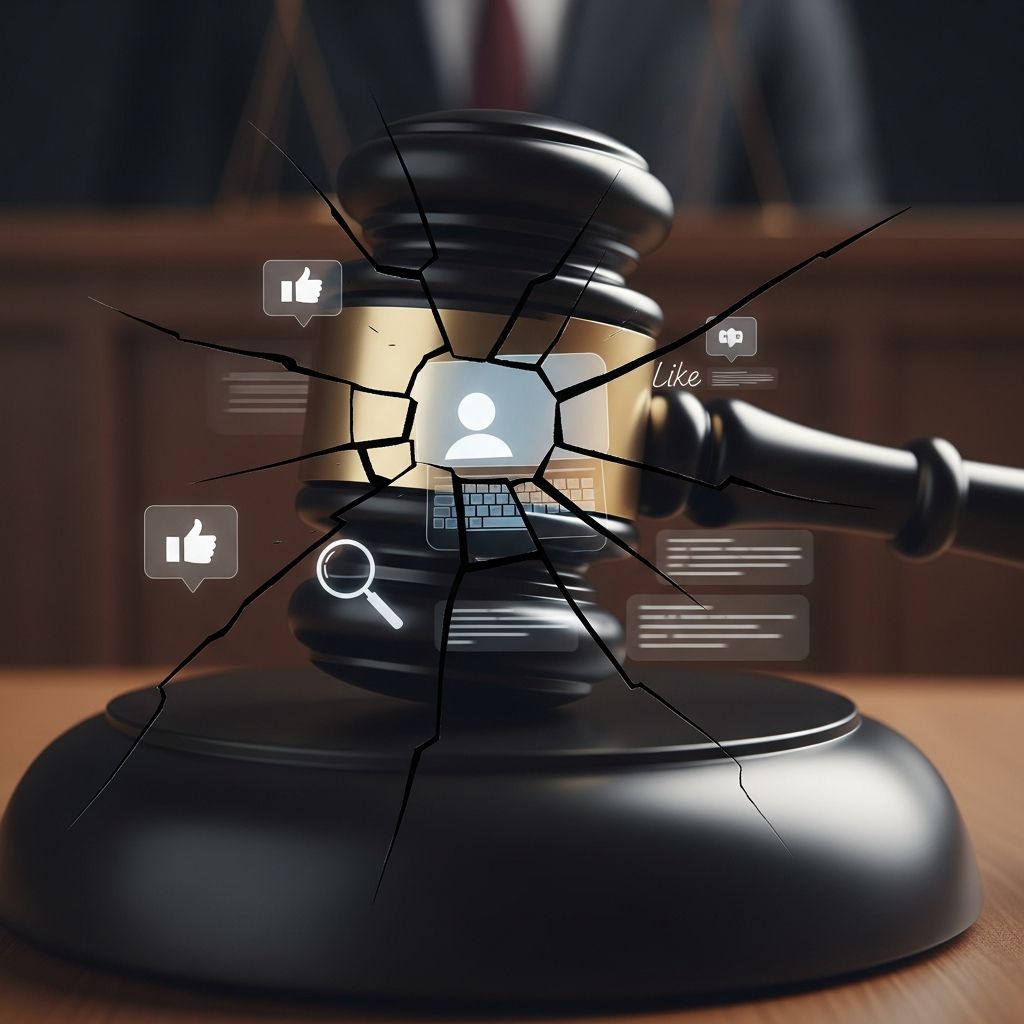
In modern litigation, social media has transformed how attorneys assess potential jurors, offering glimpses into biases, lifestyles, and opinions that could impact verdicts. However, this practice raises critical ethical questions: how far can lawyers go in examining jurors’ online activities without violating professional rules or prejudicing the trial? This article delves into the evolving landscape of juror social media scrutiny, balancing the need for thorough voir dire with safeguards for juror privacy and trial fairness.
The Rise of Digital Footprints in Jury Selection
The proliferation of platforms like Facebook, Twitter, Instagram, and LinkedIn has made personal information more accessible than ever. Attorneys now routinely search public profiles during jury selection to identify potential prejudices. For instance, a post expressing strong political views or connections to case parties might warrant a challenge for cause. Yet, this accessibility comes with risks, as passive monitoring can inadvertently signal to jurors that they are under surveillance, potentially biasing their participation.
Courts recognize that jurors’ online behavior can introduce extraneous influences. Federal guidelines emphasize that substantial prejudice must be shown before declaring misconduct, but preventive measures are key. Judges often instruct panels to avoid external research, underscoring that only courtroom evidence should guide deliberations.
Ethical Boundaries for Attorneys
Professional ethics bodies like the American Bar Association (ABA) provide clear directives. ABA Formal Opinion 466 permits reviewing publicly available social media but prohibits ‘friending’ or sending access requests, classifying these as impermissible ex parte communications. Even indirect actions, such as using a third party to connect, are forbidden.
- Permitted Actions: Viewing public posts without interaction.
- Prohibited Actions: Sending friend requests, following accounts, or employing agents to gain private access.
- Gray Areas: Platforms like LinkedIn that notify profile views, which some jurisdictions view as unintentional communication.
Differing state opinions add complexity. While the ABA deems trace-leaving searches acceptable if no direct contact occurs, groups like the New York State Bar Association caution against them, fearing juror discomfort or alienation. Attorneys must consult local rules to avoid sanctions.
Judicial Instructions and Juror Responsibilities
Judges play a pivotal role by setting expectations early. Model instructions from the Judicial Conference advise jurors against discussing cases online or researching parties, highlighting risks of misinformation. In California, juror handbooks explicitly warn that internet searches violate due process and may yield false data.
During voir dire, questionnaires can probe social media habits, revealing if a juror follows case-related accounts. Honesty here is crucial; undisclosed connections have overturned verdicts, as in cases where jurors exchanged messages or accessed news sites.
Detecting and Addressing Juror Misconduct
Social media violations range from innocent posts to deliberate research. Courts require proof of substantial prejudice for remedies like mistrials. Vague comments rarely suffice, but flagrant breaches—such as live-tweeting deliberations—demand action.
| Type of Misconduct | Example | Potential Consequence |
|---|---|---|
| Researching Case Details | Googling defendant background | Mistrial if prejudicial |
| Discussing Trial Online | Posting opinions on Facebook | Juror dismissal, new trial |
| External Communications | Texting non-jurors about evidence | Verdict overturn |
Attorneys should monitor public posts daily without alerting jurors. Upon discovering issues, immediate disclosure to the judge is ethical imperative; silence risks complicity in injustice. Cases like United States v. Parse illustrate how cover-ups exacerbate harm.
Strategic Advantages and Pitfalls of Monitoring
Proactive investigation enhances voir dire strikes. Public profiles might expose biases undetectable in oral questioning, such as affiliations with advocacy groups. However, risks abound: a LinkedIn notification sparked a courtroom incident where a juror alerted the judge, creating awkwardness.
To mitigate, inform the court pre-trial of monitoring intentions, allowing judges to preempt juror objections. Some circuits endorse disclosing that public profiles may be reviewed, fostering transparency.
Case Studies: Lessons from the Bench
The Vague Post Dilemma
In one federal case, a juror’s ambiguous social media remark was deemed non-prejudicial, avoiding mistrial. The court noted its ‘virtually meaningless’ nature, prioritizing trial efficiency.
Texting Scandal in New York
People v. Neulander saw a verdict vacated after a juror sent hundreds of texts and browsed trial coverage, attempting concealment. This underscored vigilance needs.
LinkedIn Notification Backlash
A defense attorney’s profile view triggered a juror’s complaint, highlighting platform pitfalls. No sanctions followed, but it disrupted proceedings.
Best Practices for Legal Teams
- Conduct pre-trial training on ethics.
- Use voir dire questions targeting online activity.
- Monitor only public content via dedicated paralegals.
- Report suspicions promptly without speculation.
- Document all reviews for transparency.
Technology aids compliance: tools aggregate public data without interaction. Firms should update policies as platforms evolve.
Future Trends and Policy Recommendations
As social media integrates deeper into daily life, courts may standardize approaches. The Federal Bar Association advocates robust instructions and attorney monitoring. Legislative pushes for juror education could curb misconduct, ensuring digital eras don’t erode jury sanctity.
Balancing transparency with privacy remains paramount. While public posts are fair game, respect for boundaries upholds justice.
Frequently Asked Questions (FAQs)
Can attorneys view jurors’ private social media?
No, accessing non-public content via friend requests or third parties violates ethics rules like ABA Opinion 466.
What if a platform notifies the juror of a view?
It’s generally permissible per ABA, but some states disagree. Avoid if local rules prohibit.
Must misconduct be reported immediately?
Yes, especially gross violations, to prevent miscarriage of justice.
Can judges inform jurors of monitoring?
Recommended by ABA to set expectations and deter issues.
What remedies exist for social media breaches?
From warnings to mistrials, based on prejudice level.
References
- Juror Misconduct in the Age of Social Media — Federal Bar Association. 2018-01-02. https://www.fedbar.org/wp-content/uploads/2018/01/Google-pdf-1.pdf
- Managing the Ethical Risks of Social Media During Trial — First Legal. 2023-06-15. https://www.firstlegal.com/managing-the-ethical-risks-of-social-media-during-trial/
- The Ethics of Social Media and Jurors — U.S. Legal Support. 2024-02-10. https://www.uslegalsupport.com/blog/the-ethics-of-social-media-and-jurors-the-rising-importance-of-social-media-in-the-courtroom/
- Navigating Social Media & Internet for Jurors — California Courts. 2022-05-01. https://courts.ca.gov/system/files/file/navigating_social_media_internet.pdf
- Ethically and Legally Investigating Jurors Social Media — Stetson Journal of Advocacy and the Law. 2019-06-01. https://www2.stetson.edu/advocacy-journal/wp-content/uploads/2019/06/Fortuno_2019.pdf
Similar Articles








Read full bio of Sneha Tete




