
Life After Prison: Housing Challenges for Sex Offenders
Exploring why registered sex offenders struggle to secure housing after release and what communities can do to respond.
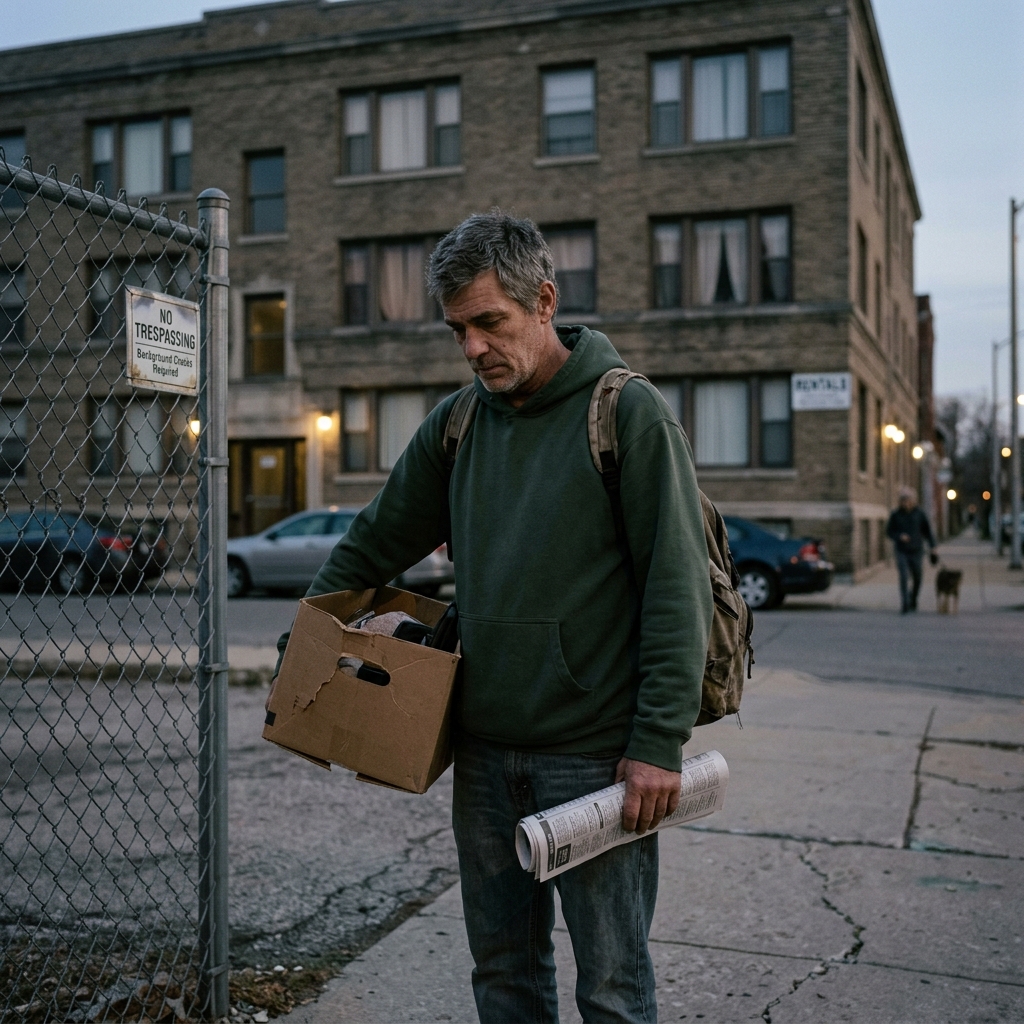
When people convicted of sexual offenses leave prison, many assume the hardest part of their sentence is over. In reality, finding a place to live can become a new, and often overwhelming, obstacle. Across the United States, registered sex offenders frequently encounter a maze of legal rules, community resistance, and practical barriers that make stable housing extremely difficult to secure.
This article explains why housing is so complicated for sex offenders after release, how these barriers affect public safety and rehabilitation, and what policy tools and program models can help create safer, more stable reentry pathways.
Why Housing Matters So Much After Prison
Stable housing is widely recognized as a cornerstone of successful reentry. Research and practice consistently show that people leaving prison who secure safe, predictable housing are more likely to:
- Comply with supervision and registration requirements
- Engage in treatment and support services
- Find and maintain employment
- Rebuild family and community relationships
- Avoid behaviors that could lead back to criminal justice involvement
For sex offenders, housing is even more central. Without an approved address, some states will not release individuals to community supervision at all, resulting in extended confinement beyond their official release dates. Others are released but end up homeless or cycling through shelters and temporary arrangements. These outcomes make it harder for authorities to monitor individuals and for individuals themselves to access treatment and support.
A Legal Geography That Limits Where People Can Live
One of the defining features of sex offender reentry is the network of residency restrictions that determine where registrants may live.
Common Residency Restrictions
States and localities often impose rules that bar registered sex offenders from living near places where children commonly gather. Typical restrictions prohibit residence within a set distance, such as 500 or 1,000 feet, of:
- Schools and school grounds
- Playgrounds and parks
- Childcare centers or daycares
- Other youth-serving facilities
In densely populated cities, these buffer zones can cover significant portions of available housing. A person may be required to find a unit that is simultaneously affordable, not federally subsidized, medically appropriate if they have disabilities or health needs, and outside all restricted zones. In practice, such units can be rare or nonexistent in certain communities.
How Restrictions Translate into “Legislated Homelessness”
Scholars and advocates sometimes use the term legislated homelessness to describe the impact of strict residency restrictions. When the law eliminates most reasonable housing options, registrants are placed in a position where homelessness or prolonged incarceration becomes nearly unavoidable. This dynamic has been documented in several jurisdictions, where people remain in prison-like facilities because no compliant housing can be located.
Key consequences include:
- Extended detention: People remain confined solely due to lack of an approved address.
- Unstable placements: Registrants bounce between temporary shelters, motels, or couch-surfing arrangements.
- Limited treatment access: Lack of housing can prevent participation in community-based therapy.
- Weakened supervision: Monitoring individuals who lack a fixed residence is more complex.
Community Opposition and Political Pressures
Even where the law permits housing, community opposition can be intense. Neighbors, local officials, and advocacy groups often resist the placement of sex offenders in apartment complexes, shelters, or specialized housing programs.
The Role of Public Emotion and Fear
Sex crimes evoke strong emotions and understandable concern about safety. This can lead to a political environment in which any proposed housing for registrants meets substantial resistance, regardless of:
- Individual offense history and risk level
- Time elapsed since the offense
- Participation in treatment and supervision
- Evidence regarding effective reentry practices
Negative sentiment affects both private and public housing options. Landlords may decline applicants solely due to registry status, while local governments face pressure to block shelters or transitional programs that serve sex offenders.
Political Incentives and Policy Choices
Policymakers operate in a climate where being perceived as “tough” on sex offenders can be politically advantageous. As a result, laws and ordinances may prioritize distance and exclusion rather than rehabilitation, even when research suggests that stable housing and treatment reduce risk.
These pressures influence:
- How strictly residency rules are drafted and enforced
- Whether resources are allocated for specialized housing
- How reentry assistance is structured and funded
Institutional Barriers: Discharge Planning and Support Gaps
Effective reentry requires coordination among corrections agencies, community supervision officers, treatment providers, and housing programs. Yet sex offenders often encounter gaps in this coordination.
Limited Housing Assistance Before Release
Corrections policies in some states call for help with housing, employment, and training as part of release planning. Nonetheless, advocates and litigants have argued that actual assistance is often insufficient, especially for sex offenders facing complex legal restrictions.
Common implementation problems include:
- Late or minimal discharge planning
- Lack of specialized staff focused on housing barriers for registrants
- Insufficient collaboration with community-based housing providers
- No clear strategy for people with disabilities or serious health needs
Supervision Conditions and Practical Constraints
Once released, sex offenders typically face strict supervision conditions and registration requirements. These rules aim to protect the public, but they can also clash with housing realities. Curfews, movement restrictions, and mandatory appointments may conflict with rental requirements, work schedules, or shelter policies.
Without coordinated planning, individuals may lose housing because supervision demands and program policies are difficult to reconcile.
How Housing Barriers Affect Employment, Relationships, and Stability
Housing barriers rarely occur in isolation. They interact with other reentry challenges, compounding the difficulty of building a stable life after prison.
Employment Challenges Linked to Housing
Research on the experiences of sex offenders in reentry indicates that housing and employment are intertwined obstacles. People without stable housing find it harder to secure and keep jobs, while those without work may struggle to afford any available housing.
Key connections include:
- Employers may be wary of hiring someone who lists a shelter or transient address.
- Transportation from far-flung or temporary housing to workplaces can be unreliable.
- Residency rules may limit proximity to job opportunities.
Impact on Family and Social Support Networks
Many sex offenders rely on family or friends for housing after release, but registry rules and supervision conditions can complicate these arrangements. For example, living with children may be restricted, even if the children are relatives. When individuals cannot reside with supportive family members, they may lose critical emotional and practical support.
Studies of lived experiences show that family help with housing, employment, and daily challenges contributes significantly to a sense of belonging and successful reintegration.
Models and Strategies for Reentry Housing
Despite the difficulties, some jurisdictions and organizations have developed housing approaches tailored to sex offenders. These models aim to balance public safety with realistic opportunities for rehabilitation.
Transitional and Step-Down Housing Programs
Transitional housing provides time-limited accommodation immediately after release, giving individuals a stable address while they work on treatment, job search, and longer-term housing plans.
Typical features may include:
- Structured stays (e.g., 60–120 days) for people coming directly from custody
- On-site or linked treatment services and case management
- Strict rules around substance use and supervision compliance
- Support in identifying permanent housing options
Some programs combine transitional units with longer-term apartments on the same site, allowing residents who demonstrate stability to remain for extended periods under traditional leases.
Dedicated Reentry Housing Initiatives
Policy reports and practitioner guides highlight several promising strategies for sex offender reentry housing:
- Rent subsidies: Targeted financial assistance to expand the pool of viable private-market units.
- Shared housing: Arrangements where multiple sex offenders live together in supervised settings that comply with residency rules.
- Specialized supervision: Officers trained to work with sex offenders collaborate closely with housing providers and treatment teams.
- Partnerships with nonprofits: Community organizations develop tailored housing programs for people with sex offense histories.
These models seek to provide structure without permanent segregation, ideally helping residents transition toward more independent living.
Balancing Safety and Reintegration: Policy Considerations
Debates over sex offender housing often center on how to balance legitimate safety concerns with evidence-based reentry practices. Research and experience suggest several guiding considerations.
Evidence-Based Risk Management
Experts emphasize that risk management should focus on individual assessments rather than broad, categorical bans. Residency restrictions that apply uniformly to all registrants may not distinguish between high-risk individuals and those with lower risk profiles.
Better practice includes:
- Use of validated risk assessment tools
- Layered supervision conditions aligned with individual risk
- Integration of treatment participation into housing decisions
Avoiding Policies That Increase Instability
While designed to protect the public, severely limiting housing options can have counterproductive effects. Homelessness and constant relocation can make it harder for authorities to track registrants and for registrants to maintain pro-social routines.
More constructive approaches aim to:
- Reduce unnecessary barriers that do not demonstrably improve safety
- Encourage collaboration between supervision agencies and housing providers
- Support structured, community-based housing instead of prolonged incarceration
Quick Comparison: Restrictive vs Supportive Housing Approaches
| Approach Type | Key Features | Common Outcomes |
|---|---|---|
| Highly Restrictive | Broad residency bans, limited assistance, community opposition | Homelessness, extended confinement, unstable supervision |
| Supportive Reentry Housing | Transitional housing, rent subsidies, specialized supervision | Greater stability, better treatment access, improved monitoring |
Practical Steps for Stakeholders
Improving housing outcomes for sex offenders after prison requires action by multiple actors in the justice and social service systems.
For Corrections and Community Supervision Agencies
- Start housing planning early, well before release dates.
- Provide specialized staff or teams focused on sex offender housing barriers.
- Coordinate closely with treatment providers, nonprofits, and local housing authorities.
- Use risk-informed criteria to guide placement decisions.
For Housing Providers and Nonprofits
- Develop clear policies around serving registrants while complying with local laws.
- Consider shared housing or clustered units with appropriate supervision.
- Seek public and private funding for transitional and long-term reentry housing.
- Engage communities with transparent information and safety planning.
For Policymakers
- Review residency restrictions for unintended consequences, including homelessness.
- Support data-driven evaluations of housing policies.
- Invest in evidence-informed reentry housing programs and rent assistance.
- Encourage collaboration rather than siloed responsibilities among agencies.
Frequently Asked Questions (FAQ)
Do sex offenders have a right to housing after prison?
Sex offenders do not typically have a specific constitutional right to housing. However, corrections laws and policies in some jurisdictions require agencies to assist individuals on community supervision with securing housing, employment, and training. Courts have recognized that the burden of finding housing cannot rest entirely on the individual when legal restrictions significantly limit options.
Why do residency restrictions focus so much on schools and child-related locations?
Residency restrictions are often designed with child safety in mind. Legislators commonly select schools, parks, and childcare facilities as focal points because these spaces are associated with youth presence. The intention is to reduce opportunities for contact between registrants and children, though evidence on the effectiveness of broad geographic bans is mixed.
Can a person be kept in prison solely due to lack of housing?
In some jurisdictions, corrections and supervision agencies refuse to release sex offenders unless they have an approved address. As a result, individuals may remain in custody beyond their minimum release dates when no compliant housing can be identified. Legal challenges have questioned whether this practice exceeds statutory authority and violates rights.
How does homelessness affect public safety in the context of sex offender reentry?
Homelessness makes supervision and monitoring more difficult. People without a fixed residence may move frequently, making it harder to ensure registration compliance and to provide ongoing treatment or support. These conditions can increase instability and are generally considered inconsistent with best practices in risk management.
Are there proven housing models that work for sex offender reentry?
While results vary by program and population, several models show promise, including structured transitional housing, programs that combine short-term stays with longer-term leases on the same site, shared housing arrangements for registrants, and initiatives that pair rent subsidies with specialized supervision and treatment.
References
- Sex Offenders Face Housing Maze After Prison Release — City Limits. 2015-11-02. https://citylimits.org/sex-offenders-face-housing-maze-after-prison-release/
- Reentry Housing Options for Sex Offenders — The Council of State Governments Justice Center. 2016-03-01. https://csgjusticecenter.org/events/reentry-housing-options-for-sex-offenders/
- Homelessness and Prisoner Re-Entry — Volunteers of America. 2010-01-01. https://www.voa.org/homelessness-and-prisoner-re-entry/
- Pushed Out and Locked In: The Catch-22 for New York’s Disabled Sex-Offender Registrants — Yale Law Journal. 2017-06-01. https://yalelawjournal.org/essay/pushed-out-and-locked-in
- Lived Experiences of Sex Offenders on Probation with Housing and Employment — Walden University. 2020-01-01. https://scholarworks.waldenu.edu/cgi/viewcontent.cgi?article=19569&context=dissertations
- Managing the Challenges of Sex Offender Reentry — Center for Effective Public Policy. 2007-01-01. https://cepp.com/wp-content/uploads/2021/04/Managing-The-Challenges-of-Sex-Offender-Reentry-2007.pdf
Similar Articles








Read full bio of Sneha Tete




