
Snowboarding Liability: 19-State Guide To Suing After An Injury
Unraveling who bears responsibility for injuries and fatalities in snowboarding: resorts, riders, or manufacturers?
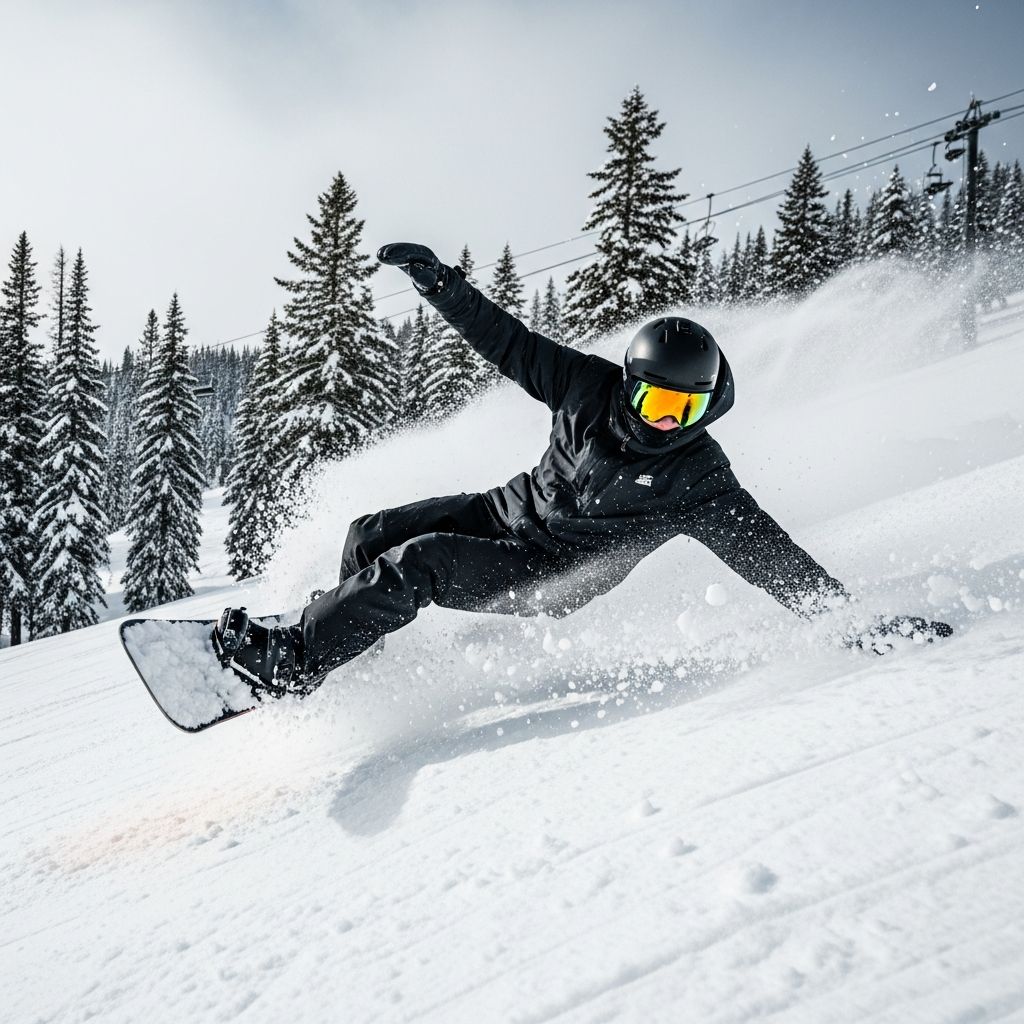
Snowboarding combines thrilling descents with inherent dangers, where injuries range from fractures to fatalities. Determining fault involves analyzing resort maintenance, participant actions, and equipment quality, often complicated by state-specific laws shielding operators from standard claims.
Core Legal Principles Shaping Snowboard Injury Cases
Personal injury law governs snowboarding accidents through negligence standards, requiring proof that a party’s unreasonable conduct caused harm. However, ‘assumption of risk’ doctrines, codified in many states, bar recovery for typical hazards like terrain variations or collisions.
Resorts enforce liability waivers, but these fail against gross negligence, such as unmarked hazards or lift malfunctions. Plaintiffs must demonstrate breaches beyond accepted dangers to succeed.
Resort Responsibilities and Premises Liability
Ski areas owe a duty of care under premises liability to maintain safe conditions. This includes slope grooming, hazard signage, and lift inspections.
- Slope Maintenance: Failure to address icy patches, bare spots, or debris can constitute negligence if unmarked.
- Signage and Warnings: Trails must clearly indicate difficulty; hidden dangers like drop-offs require markers.
- Lift Operations: Proper staffing and mechanical upkeep prevent ejection or entrapment injuries.
In one Pennsylvania case, a collision on a black-diamond run was deemed an inherent risk despite signage disputes, as merger points are expected features.
Collisions Between Riders: Negligence vs. Inherent Risks
Rider-on-rider impacts highlight personal accountability. Laws mandate control of speed and course, yielding to downhill skiers, and awareness in crowds.
| Factor | Inherent Risk (No Liability) | Negligence (Potential Liability) |
|---|---|---|
| Speed Control | High speeds on open expert terrain | Excessive speed in beginner areas or crowds |
| Yielding | Equal uphill/downhill paths | Failing to yield to overtaking rider |
| Alcohol/Impairment | Not applicable | Intoxicated riding causing collision |
Evidence like witness accounts or GoPro footage proves deviations from the ‘responsibility code.’ Resorts rarely liable for collisions unless negligent design contributed.
Equipment Failures and Product Liability Claims
Defective gear triggers claims against manufacturers, rental shops, or fitters. Product liability covers design flaws (e.g., unstable bindings), manufacturing errors, or inadequate warnings.
- Bindings releasing prematurely on flat terrain.
- Board delamination mid-run.
- Helmets cracking on minor impacts.
Experts analyze gear post-accident; recall histories strengthen cases. Rental operators must ensure proper sizing and condition.
Role of Instructors and Lessons in Injury Prevention
Guided sessions impose higher duties on instructors to match terrain to skill levels. Mismatches leading to out-of-control falls may breach this duty.
Claims succeed if evidence shows ignored warnings or pushed beyond limits, overriding waivers for reckless instruction.
Overcoming Waivers and Assumption of Risk Barriers
Most tickets include exculpatory agreements listing risks like collisions or ice. Courts uphold these for inherent dangers but void for intentional harm or gross negligence.
Strategies include:
- Proving hidden risks not listed in waivers.
- Documenting resort failures via photos and reports.
- Expert testimony on deviated safety standards.
Immediate Steps After a Snowboarding Injury
Prompt action preserves claims:
- Seek Medical Care: Establishes causation link; records quantify damages.
- Report Incident: Get resort form; note conditions and witnesses.
- Gather Evidence: Photos of scene, gear, signage; videos if available.
- Avoid Statements: Limit to facts; insurance may twist admissions.
- Contact Attorney: Specialists navigate state ski acts.
Compensation Available for Victims
Recoveries cover medical bills, lost income, pain, and disfigurement. Wrongful death claims add family losses. Caps vary; Colorado limits non-economic damages.
Insurance paths: resort policies for premises issues, at-fault rider’s coverage for collisions, or personal umbrella policies.
State Variations in Ski and Snowboard Laws
No federal standard exists; 19 states have ‘ski safety acts’ defining liabilities.
- Pennsylvania: Broad inherent risks; collisions skiers’ fault.
- New Hampshire: Immunity for marked equipment collisions.
- Colorado: Strict assumption of risk; waivers robust.
Research local codes crucial for viability.
Frequently Asked Questions About Snowboarding Liability
Can I sue a resort if I collide with another snowboarder?
Typically no, as collisions are inherent risks under most ski acts, unless resort negligence like poor grooming contributed.
Do waivers protect resorts from all claims?
No, waivers don’t cover gross negligence, recklessness, or equipment failures.
What if my rental snowboard broke?
Pursue product liability against maker or shop if defect caused injury; preserve gear for inspection.
How long to file a claim?
Statutes of limitations: 1-3 years typically; start clock from injury date.
Are lift accidents resort’s fault?
Often yes, if poor maintenance or operation; operators must meet safety regs.
Preventing Snowboarding Injuries Through Awareness
Adopt the responsibility code: stay in control, observe signs, yield properly. Helmets reduce head trauma by 60%, per studies. Choose terrain matching ability.
Resorts enhance safety via patrols, grooming schedules, and tech like terrain parks with features.
References
- Pursuing Legal Action for Skiing or Snowmobile Accident Injuries — Norfolk Legal Examiner. 2023-05-15. https://norfolk.legalexaminer.com/eric-washburn/home-family/pursuing-legal-action-for-skiing-or-snowmobile-accident-injuries/
- Understanding Skiing and Snowboarding Injury Claims — Wieand Law. 2024-02-10. https://www.wieandlaw.com/understanding-skiing-and-snowboarding-injury-claims-challenges-and-legal-considerations/
- Understanding Your Legal Rights After a Skiing or Snowboarding Accident — Drake Law Group. 2023-11-20. https://www.drakelawgroup.com/post/understanding-your-legal-rights-after-a-skiing-or-snowboarding-accident
- Collisions on the Slopes: Who’s Responsible for Skiing and Snowboarding Accidents — Wescott Law. 2024-03-18. https://wescottlawnh.com/2024/03/18/collisions-on-the-slopes-whos-responsible-for-skiing-and-snowboarding-accidents/
- Understanding Liability for Injuries on Ski Slopes — Misny Law. 2023-08-05. https://misnylaw.com/understanding-liability-for-injuries-on-ski-slopes/
- Can I Sue for a Ski or Snowboard Injury? — Frickey Law. 2024-01-12. https://www.frickey.com/blog/can-i-sue-for-a-ski-or-snowboard-injury/
- Winter Sports Injuries: When Fun Turns into a Legal Matter — Ciecka Law. 2023-12-01. https://ciecka.com/winter-sports-injuries-when-fun-turns-into-a-legal-matter/
Similar Articles








Read full bio of medha deb




