
Liability in Rideshare Crashes: Who Pays?
Unraveling responsibility in Uber and Lyft crashes: drivers, companies, insurance tiers, and your path to compensation.
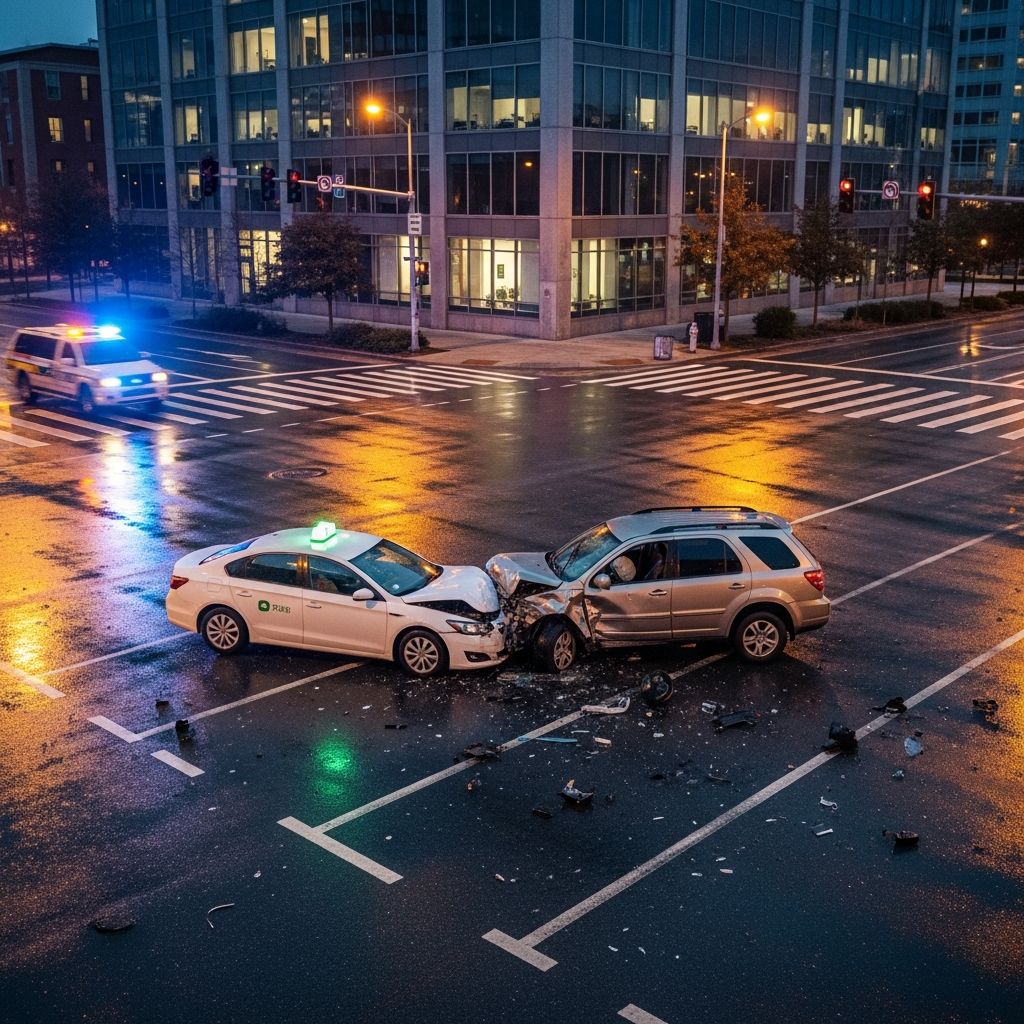
Rideshare services like Uber and Lyft have transformed urban transportation, but accidents involving these vehicles raise complex questions about fault and compensation. When injuries occur, determining liability hinges on the driver’s app status, state regulations, and proof of negligence. This guide breaks down the key elements, insurance structures, and legal pathways to help victims pursue justice.
Defining Fault in Modern Transportation Mishaps
In rideshare incidents, liability isn’t always straightforward. Courts and insurers examine multiple angles to assign responsibility. Primary culprits often include the rideshare operator’s actions, but external factors like other motorists or road defects can shift blame. Negligence forms the cornerstone: failure to exercise reasonable care, such as distracted driving or speeding, must be demonstrated through evidence like police reports, witness accounts, and app data logs.
State laws further complicate matters. California employs pure comparative negligence, meaning compensation reduces proportionally to the victim’s fault percentage. North Carolina mandates proof of the driver’s logged-in status to trigger company coverage. These variations underscore the need for jurisdiction-specific advice.
Insurance Layers: Navigating Rideshare Protection Tiers
Rideshare firms maintain tiered insurance policies aligned with driver operational phases. Coverage escalates as engagement deepens, providing critical safeguards for passengers and third parties.
| Operational Phase | Typical Coverage Limits (Bodily Injury/Property) | Key States/Notes |
|---|---|---|
| App Off (Personal Use) | Driver’s personal policy only | No company involvement |
| App On, Waiting (Period 1) | $50K/$100K per person/accident; $25K-$30K property | CA minimums; NJ higher at $1.5M |
| En Route or With Passenger (Periods 2/3) | Up to $1M third-party liability + UM/UIM | Highest protection; applies post-acceptance |
These tiers ensure riders receive robust protection during active trips, with uninsured motorist (UM/UIM) provisions covering gaps if at-fault parties lack insurance. However, deductibles and priority disputes between personal and company policies can arise.
Potential Parties at Fault: Beyond the Driver
- Rideshare Driver: Most direct liability for reckless maneuvers, fatigue, or impairment. Evidence like telematics data proves negligence.
- Rideshare Company: Accountable if vetting failures, faulty app directions, or inadequate training contributed. Suing directly requires showing the driver was ‘on-duty’.
- Other Motorists or Pedestrians: Common in multi-vehicle collisions; their insurers may pay if primary fault lies elsewhere.
- Vehicle Makers or Maintainers: Defects in brakes or tires can implicate manufacturers under product liability.
- Government Entities: Poor road maintenance triggers claims under strict notice rules, often 6 months.
Shared fault scenarios demand apportionment, adjusting awards based on each party’s contribution.
Immediate Response: Securing Your Claim Post-Crash
Swift action preserves evidence and maximizes recovery. Key steps include:
- Seek Medical Care: Document all treatments; even minor symptoms can worsen.
- Report via App: Notify Uber/Lyft immediately for official records.
- Gather Proof: Photograph scenes, collect contacts, obtain police reports, and screenshot trip details.
- Avoid Statements: Limit discussions with insurers until consulting counsel.
- Preserve Data: Request app logs and dashcam footage before deletion.
These measures strengthen negligence claims and clarify driver status.
Time Limits: Deadlines You Can’t Ignore
Statutes of limitations vary, pressuring prompt filing:
- California: 2 years for personal injury; 3 years property.
- North Carolina: 3 years injury; 2 years wrongful death.
- Government claims: Often 6 months notice.
Exceptions like discovery rules exist, but delays risk barred claims. Early legal review identifies applicable windows.
Building a Strong Compensation Case
Successful pursuits recover economic (bills, wages) and non-economic (pain, trauma) damages. Essential proofs:
- App timestamps confirming active status.
- Negligence indicators: Speeding, violations via reports.
- Medical records linking injuries to impact.
- Expert analyses on defects or conditions.
Lawyers adeptly navigate multi-policy battles, ensuring full policy exhaustion.
Frequently Asked Questions About Rideshare Liability
Can passengers share blame in Uber crashes?
Rarely, unless actions like fighting the driver directly distracted them. Pure comparative rules apply if fault proven.
Does Uber cover off-app accidents?
No; personal insurance governs when logged out.
How much does Uber insurance pay?
Up to $1M for active rides; lower for waiting periods. UM/UIM fills gaps.
Should I sue Uber or the driver first?
Target both; company policies respond for on-duty incidents. Analysis reveals viability.
What if a government road caused the crash?
File notice within 6 months; specialized rules shorten suits.
State Variations: A Comparative Overview
| State | Injury SOL | Min Period 1 Coverage | Notes |
|---|---|---|---|
| California | 2 years | $50K/$100K BI | Pure comparative; strict gov claims |
| North Carolina | 3 years | Varies by policy | Status proof critical |
| New Jersey | Varies | $1.5M liability | Highest TNC minimums |
Consult local statutes for precise rules.
Maximizing Recovery: Pro Tips for Victims
Beyond basics, consider economic projections for lifelong care and wage loss. Reject quick lowball offers; values emerge post-treatment. Experienced attorneys negotiate fiercely, leveraging tiered coverages.
Rideshare growth amplifies these cases; firms invest in defenses, but victims’ rights prevail with solid evidence.
References
- What Happens if Your Uber Crashes? — Rob Levine Law. 2023. https://roblevine.com/faqs/uber-driver-causes-accident/
- Is Uber Responsible for Accidents? — Whitley Law Firm. 2024-01-15. https://whitleylawfirm.com/faqs/is-uber-responsible-for-accidents/
- What To Do After an Uber Accident in California? — CMP Law Group. 2023-05-20. https://cmplawgroup.com/what-to-do-after-an-uber-accident-in-california/
- Essential California Uber And Lyft Accident Laws — Weinberger Law. 2024. https://weinbergerlaw.net/essential-california-uber-and-lyft-accident-laws-a-comprehensive-legal-guide-for-injured-victims/
- What to Do If Your Uber Crashes — Lawrence Laws. 2023-11-10. https://www.lawrencelaws.com/blog/what-to-do-after-an-uber-accident/
- Understanding Liability in Uber Collisions — Cueria Law Firm. 2024-02-05. https://cuerialawfirm.com/blog/making-sense-of-liability-in-uber-collisions/
Similar Articles








Read full bio of Sneha Tete




