
Liability in Private Pool Drowning Incidents
Unpacking legal responsibilities for drownings and injuries in residential swimming pools: duties, defenses, and compensation paths.
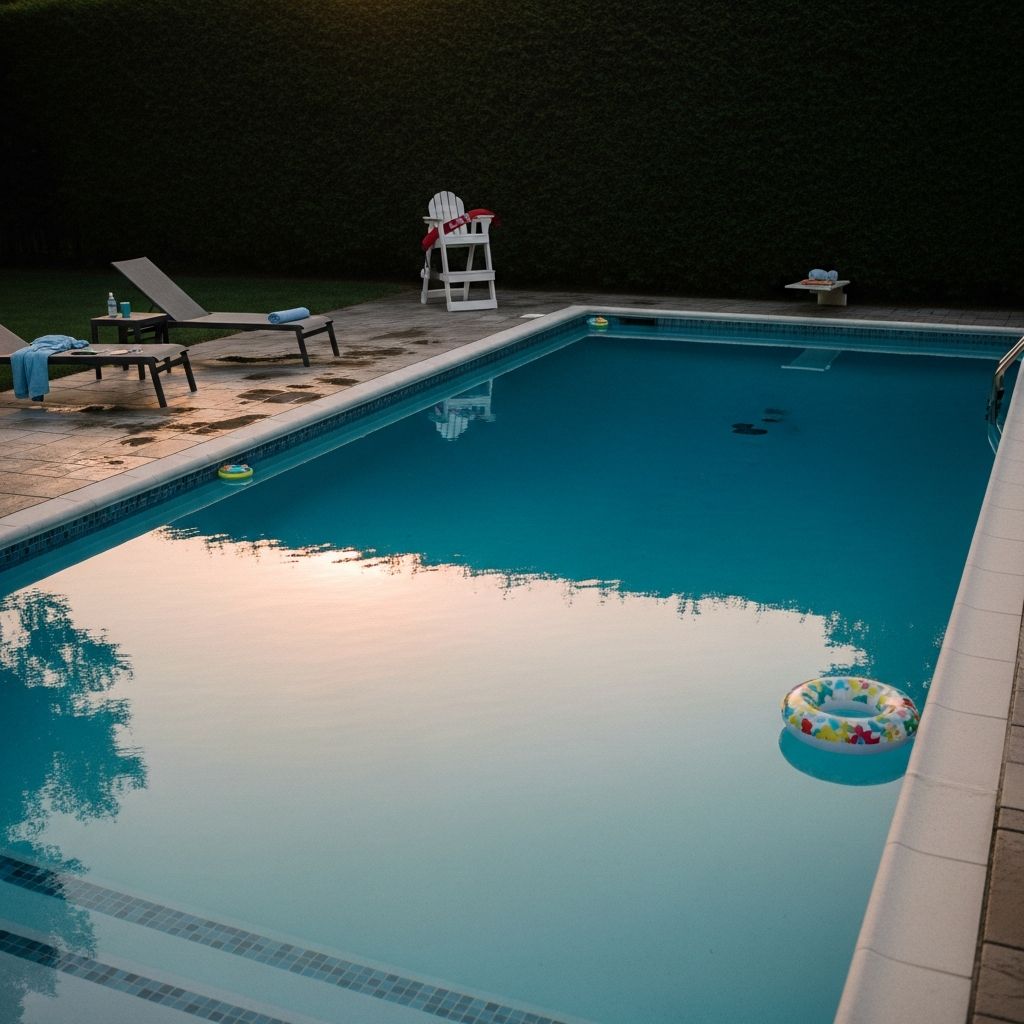
Private swimming pools offer enjoyment for families and friends, but they also present significant risks, particularly for young children. Drowning remains a leading cause of injury-related death among children aged 1 to 4, with residential pools posing the highest submersion threat in this group. When tragedies strike, determining accountability involves premises liability principles, where property owners must maintain safe conditions. This article delves into the legal frameworks governing private pool accidents, outlining owner obligations, common negligence factors, and pathways to recovery.
Core Principles of Premises Liability in Pool Settings
Premises liability holds property owners responsible for injuries occurring on their land due to unsafe conditions. For private pools, this means owners owe a duty of care to visitors, scaling with the visitor’s status: invitees (expected guests), licensees (social visitors), or trespassers. Failure to uphold this duty—through poor maintenance, inadequate barriers, or lack of supervision—can lead to negligence claims.
- Duty to Invitees and Licensees: Owners must inspect for hazards, repair dangers, and warn of non-obvious risks. In pool contexts, this includes ensuring clear water, functional drains, and secure access points.
- Trespasser Protections: Generally lower duty, but exceptions apply for children via the attractive nuisance doctrine.
- Negligence Per Se: Violating pool safety ordinances presumes negligence, easing proof for plaintiffs.
These principles shift focus from mere presence to preventable failures, emphasizing proactive safety measures.
The Attractive Nuisance Doctrine and Child Trespassers
Children are drawn to pools like magnets, prompting the attractive nuisance rule. This doctrine imposes liability on owners for trespassing minors if: (1) children are likely to trespass; (2) the pool creates an unreasonable death risk; and (3) reasonable steps to mitigate were neglected, such as faulty fences or gates.
For instance, a gap in fencing or non-self-latching gate allows access, overriding ‘no trespassing’ defenses. Courts recognize pools as inherently alluring, burdening owners with childproofing duties regardless of invitation. This protects vulnerable toddlers exploring neighborhoods, holding owners accountable for foreseeable intrusions.
| Element | Description | Example Violation |
|---|---|---|
| Foreseeable Trespass | Owner knows or should know kids frequent area | Pool visible from busy street |
| Unreasonable Risk | Condition poses serious harm potential | Deep water without markers |
| Failure to Protect | No reasonable safeguards implemented | Broken gate latch |
This table summarizes key doctrine components, aiding quick assessment of case viability.
Safety Standards and Common Owner Negligence
State-specific building codes mandate pool barriers, often requiring 4-foot fences with self-closing, self-latching gates. Non-compliance invites liability, as seen in residential claims targeting homeowner insurance. Other negligence pitfalls include:
- Inadequate Supervision: Hosting swimmers without monitoring, especially children, breaches implied duties.
- Poor Maintenance: Slippery decks, broken lights, or clogged drains heighten risks.
- Missing Warnings: No signs for no-diving zones or depth changes contributes to spinal injuries alongside drownings.
Even federal influences, like anti-entrapment rules from the Virginia Graeme Baker Act, inform private standards, stressing suction prevention. Owners ignoring these expose themselves to compensatory damages for medical costs, lost wages, and pain.
Distinctions: Residential vs. Other Pool Types
While focused on private pools, contrasts clarify boundaries. Residential cases lean on homeowner policies, scrutinizing fences and family supervision. Commercial pools (gyms, clubs) face stricter rules, including lifeguards and health inspections. Public facilities add governmental immunity hurdles but share premises duties like lighting and security.
Homeowner Associations (HOAs) may share blame for communal pools, while daycares or camps bear supervision liabilities. Product defects, like faulty ladders, trigger manufacturer suits under liability theories.
Building a Strong Liability Claim
Post-accident, preserve evidence: photos of barriers, witness statements on supervision, medical records linking injuries to negligence. Near-drownings often yield brain damage, demanding expert proof of causation and lifelong costs. Consult attorneys early, as statutes limit filing windows.
Insurance often covers valid claims, but defenses like comparative fault (victim horsing around) reduce awards. Successful cases yield settlements for economic/non-economic harms, deterring future lapses.
Frequently Asked Questions
Can pool owners avoid liability by claiming trespass?
Not easily for children; attractive nuisance overrides if safeguards failed.
What if a parent supervised but the child still drowned?
Owner liability persists if barriers were deficient; supervision doesn’t absolve structural negligence.
Does renter liability match owners?
Occupiers share duties, but lease terms may allocate responsibilities.
Are warning signs enough protection?
No; active measures like locks and fences are required beyond postings.
How much compensation is typical?
Varies by damages; severe cases exceed millions for lifelong care.
Preventive Strategies for Pool Owners
Proactive steps minimize risks: install compliant fencing, teach CPR, enforce rules, and maintain equipment. Layers of protection—alarms, covers, classes—demonstrate care, weakening claims. Community education on water safety further safeguards lives.
Statistics underscore urgency: pools drive child drowning peaks, preventable via vigilance. Owners embracing standards protect families and assets alike.
References
- Swimming Pool & Drowning Accidents: Handling Liability on Private Property — Crown & Stone Law, P.C. 2023. https://crownandstonelaw.com/swimming-pool-drowning-accidents-liability/
- Who Can Be Held Liable for a Swimming Pool Accident? — Chaikin, Sherman, Cacheris & Sul P.A. 2018-07-01. https://www.chaikinandsherman.com/blog/2018/07/who-can-be-held-liable-for-a-swimming-pool-accident/
- When the Unthinkable Happens: Liability in Swimming Pool Accidents — Hardy Wolf. 2023. https://www.hardywolf.com/news/when-the-unthinkable-happens-liability-in-swimming-pool-accidents/
- Drowning & Swimming Pool Accidents — William Kickham. 2023. https://www.attorneywdkickham.com/drowning-swimming-pool-accidents.html
- Drowning/Swimming Pool Negligence — Bailey Fisher Law Firm. 2023. https://www.baileyfisherlaw.com/premises-liability/drowning-swimming-pool-negligence/
Similar Articles








Read full bio of Sneha Tete




