
Determining Liability in Bridge Collapse Incidents
Unraveling accountability in catastrophic bridge failures: key parties, legal theories, and paths to justice for victims.
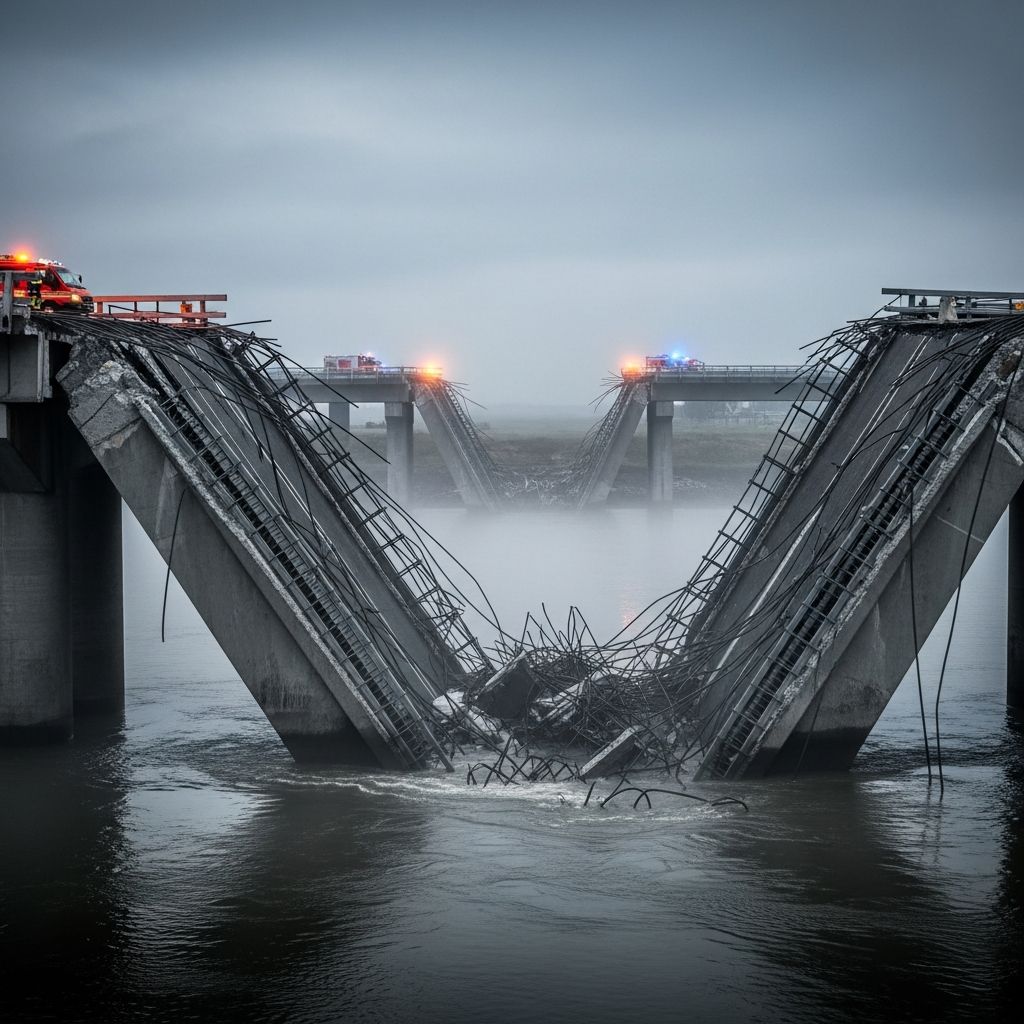
Bridge collapses represent some of the most devastating infrastructure failures, often resulting in loss of life, severe injuries, and massive economic disruption. Establishing who is legally accountable involves dissecting complex chains of responsibility among multiple entities. This article delves into the primary parties at fault, legal frameworks like negligence, investigative processes, and compensation avenues for affected individuals.
Common Culprits in Infrastructure Failures
When a bridge gives way, liability rarely falls on a single entity. Investigations reveal contributions from various stages of a bridge’s lifecycle, from initial planning to ongoing upkeep.
- Design Professionals: Architects and engineers bear the initial burden. Faulty blueprints, miscalculations in load-bearing capacity, or ignoring environmental factors can doom a structure from the start.
- Construction Firms: General contractors and their subcontractors execute the build. Rushed timelines, subpar materials, or deviations from plans often lead to weaknesses.
- Material Providers: Suppliers of concrete, steel, or rebar must deliver quality products. Defective components compromise integrity.
- Inspection and Maintenance Teams: Ongoing checks by firms or government agencies detect deterioration. Missed red flags, like corrosion or cracks, heighten risks.
- Government Overseers: State Departments of Transportation (DOTs) approve designs, fund repairs, and mandate inspections. Federal laws require regular evaluations, yet oversights occur.
In many scenarios, shared fault emerges, complicating claims but potentially increasing recovery amounts through joint liability principles.
Legal Foundations: Proving Negligence
Negligence forms the cornerstone of most bridge collapse lawsuits. Plaintiffs must demonstrate four elements: duty of care, breach of that duty, causation, and damages.
| Element | Description | Example in Bridge Context |
|---|---|---|
| Duty | Legal obligation to ensure safety | Engineers must design per industry standards |
| Breach | Failure to meet the duty | Using inferior steel despite warnings |
| Causation | Breach directly caused harm | Cracks from poor concrete led to collapse |
| Damages | Actual losses suffered | Medical bills, lost wages, pain |
Beyond negligence, product liability targets defective materials, while breach of contract applies to project agreements. Government immunity laws, like sovereign immunity, may shield public entities unless waived.
Notable Historical Collapses and Lessons Learned
Real-world incidents illuminate liability patterns and systemic flaws.
The I-35W Mississippi River Bridge Disaster
In 2007, this Minneapolis bridge plummeted, killing 13 and injuring 145. A federal probe rated it structurally deficient years prior, yet maintenance lagged. Litigation spanned years, with settlements from designers, contractors, and the state, plus a $36 million victim fund. Underscored the perils of deferred upkeep on aging spans.
FIU Pedestrian Bridge Tragedy
Miami’s 2018 collapse during construction killed six. Engineering firm FIGG overlooked visible cracks and skipped peer reviews. Multiple parties, including the university and material suppliers, faced suits under negligence theories. Highlighted risks in innovative designs without rigorous oversight.
Francis Scott Key Bridge in Baltimore
A 2024 ship collision with the Dali vessel caused the span to fall, claiming six lives and halting port traffic. The Limitation of Liability Act caps shipowner payouts to vessel value, sparking debates on insurance and taxpayer burdens. City lawsuits allege unseaworthiness; federal aid pledged for rebuilds exceeding $100 million.
These cases reveal patterns: design errors in new builds, corrosion in veterans, and external impacts like vessels.
Investigation Processes: Uncovering the Truth
Post-collapse probes by the National Transportation Safety Board (NTSB) dissect debris, review plans, and interview witnesses. This meticulous work pinpoints failures, informing lawsuits. Victims shouldn’t delay legal consultation, as statutes of limitations (often 1-3 years) tick during probes.
Evidence collection includes engineering reports, maintenance logs, and material tests. Expert witnesses reconstruct events, bolstering claims.
Navigating Claims: Steps for Victims
- Seek Immediate Medical Care: Document injuries thoroughly for damage proofs.
- Preserve Evidence: Photos, witness contacts, and incident reports aid investigations.
- Contact Specialists: Personal injury attorneys versed in construction litigation assess cases, often on contingency.
- File Timely: Adhere to deadlines; government claims may require notices within months.
- Pursue All Avenues: Target multiple defendants for fuller compensation.
Recoveries cover medical expenses, lost income, property damage, and non-economic harms like suffering. Settlements predominate, avoiding trial uncertainties.
Preventive Measures and Policy Reforms
Federal mandates under the National Bridge Inspection Standards require biennial checks, yet 7.5% of U.S. bridges remain deficient. Reforms post-disasters include boosted funding, tech like sensors for real-time monitoring, and stricter peer reviews. Public advocacy ensures accountability, deterring corner-cutting.
Insurance plays a pivotal role: builders carry policies for errors/omissions, while governments self-insure or use risk pools. General average in maritime cases shares salvage costs among stakeholders.
Frequently Asked Questions
What if multiple parties contributed to the collapse?
Courts apportion liability via comparative fault; victims recover proportionally from each at-fault entity.
Can I sue the government for a state-maintained bridge?
Yes, if immunity waivers apply, like tort claims acts allowing suits for negligence.
How long after a collapse can I file a claim?
Typically 1-4 years by state; consult local laws promptly.
Does workers’ comp cover bridge collapse injuries?
Yes for employees, but third-party suits against non-employers yield extra funds.
What role does the NTSB play?
They investigate causes independently; findings support but don’t bind civil cases.
Emerging Challenges: Climate and Tech Factors
Climate change accelerates corrosion via extreme weather, straining aging infrastructure. Drones and AI now enhance inspections, potentially shifting future liabilities to adopters who ignore them. Private pedestrian bridges, like FIU’s, blur lines between public oversight and developer duties.
Word count: 1678 (excluding metadata and references).
References
- Construction Accident Claims Involving Collapses – Proving Liability — Silva & Silva. 2023. https://www.silvasilva.com/construction-accident-claims-involving-collapses-proving-liability/
- Who Is Responsible When A Bridge Comes Tumbling Down — PWD Law Firm. 2018-04-20. https://www.pwdlawfirm.com/who-is-responsible-when-a-bridge-comes-tumbling-down/
- Bridge Collapse Lawyers — For The People. 2025-09-08. https://www.forthepeople.com/blog/bridge-collapse-lawyers/
- Who is Responsible When a Bridge Collapses? — David M. Duree and Associates. 2019-07. https://www.dmduree.net/blog/2019/07/who-is-responsible-when-a-bridge-collapses/
- Bridge Collapse Legal Help — Stein Law. 2023. https://www.steinlaw.com/blog/who-responsible-bridge-collapse-what-should-you-do/
- Who Is Responsible in a Pedestrian Bridge Collapse? — Fry Goehring. 2023. https://www.frygoehring.com/who-is-responsible-in-a-pedestrian-bridge-collap/
- The Baltimore Bridge Collapse: Who’s Liable? Insurance Payout — Risk Strategies. 2024. https://www.risk-strategies.com/blog/the-baltimore-bridge-collapse-who-is-liable-insurance-payout
Similar Articles








Read full bio of medha deb




