
DIY Tattoo Kits: Legal Risks, Health Dangers, What To Know Now
Unpacking the legal status, health risks, and state regulations surrounding do-it-yourself tattoo kits across the U.S.
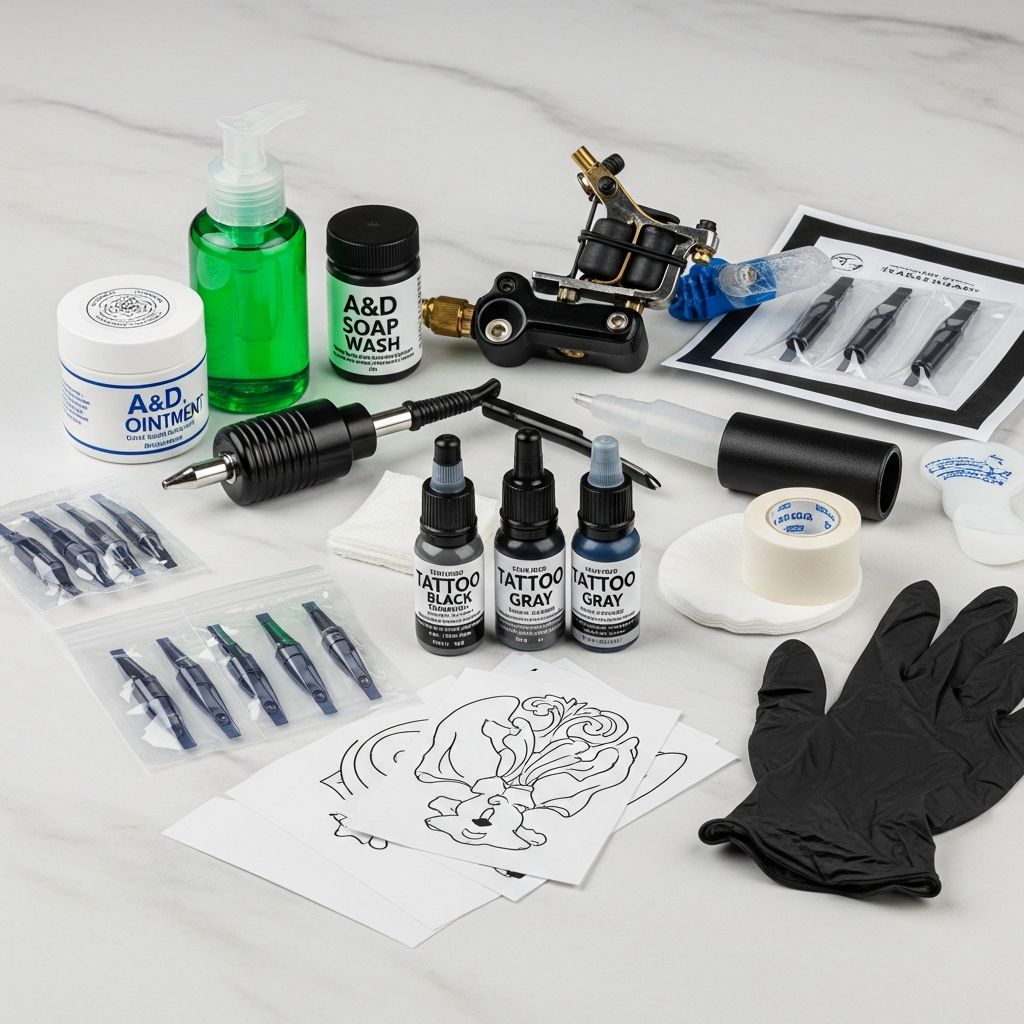
Do-it-yourself tattoo kits have surged in popularity, fueled by online availability and social media trends, but their legal standing remains murky and varies widely across the United States. While no federal law outright bans these kits, tattooing—whether on oneself or others—is heavily regulated at the state and local levels to protect public health. Understanding these rules is crucial before purchasing ink, needles, and tools for home use.
Understanding Tattoo Regulations Nationwide
Tattooing involves piercing the skin with needles and injecting ink, creating an open wound that demands sterile conditions to prevent infections. In the U.S., there is no overarching federal statute governing tattoo practices, leaving regulation to individual states and municipalities. All 50 states and the District of Columbia mandate that recipients be at least 18 years old, rooted in the principle that minors cannot provide informed consent for such procedures.
States require tattoo artists to hold licenses, and establishments must operate under health department oversight, enforcing standards for sterilization, ink quality, and waste disposal. DIY kits bypass these safeguards, raising questions about compliance when users tattoo themselves or friends at home.
Are DIY Tattoo Kits Themselves Legal to Buy and Own?
Purchasing a DIY tattoo kit is generally legal for adults, as these products are sold openly on e-commerce platforms without restriction. However, using the kit to perform a tattoo triggers legal scrutiny. Performing tattoos without a license constitutes a criminal offense in most jurisdictions, even if it’s on oneself. Attorney Mark Theoharis notes that unlicensed tattooing, regardless of whether it’s free or self-administered, violates state laws designed to ensure professional standards.
The key issue is that self-tattooing often occurs in non-sterile home environments, lacking the oversight of licensed facilities. While there’s no explicit ‘loophole’ for personal use, the inability to meet regulatory hygiene protocols makes it problematic.
State Variations in Tattoo Licensing and Enforcement
Tattoo laws differ significantly by state, with some imposing strict penalties for unlicensed practice. For instance:
- In
Florida
, body art technicians must use single-use disposable sharps, pigments, gloves, and cleansing products. Tattooing outside licensed fixed or temporary establishments is prohibited. - **District of Columbia** bans body art on minors under 18 (except mechanized ear piercing) and fines violators up to $2,500, with potential license revocation.
- **Montana** requires explicit in-person parental consent for minors, with presence throughout the procedure; unlicensed tattooing on minors carries fines up to $500 or jail time.
- **South Carolina** prohibits head, face, and neck tattoos and regulates facilities through the Department of Health, with misdemeanors punishable by up to $2,500 fines or a year in prison.
These examples illustrate a patchwork of rules emphasizing licensed practice. Home tattooing rarely complies, exposing users to legal risks if complications arise and authorities investigate.
Critical Health Risks of Home Tattooing
Beyond legality, the health dangers of DIY tattoos are profound and well-documented. Without professional sterilization, the risk of
infection
skyrockets. Puncturing the skin introduces bacteria, potentially leading to cellulitis, abscesses, or systemic issues like hepatitis B, hepatitis C, or HIV if bloodborne pathogens are present.Allergic reactions pose another threat, as non-professional inks may contain harmful impurities causing itching, swelling, or anaphylaxis. Poor technique results in
tattoo blowout
, where ink spreads beneath the skin, creating blurry, distorted designs that are costly to correct.| Risk Factor | Description | Potential Consequences |
|---|---|---|
| Infection | Unsterilized needles/equipment | Cellulitis, sepsis, bloodborne diseases |
| Allergic Reactions | Substandard ink ingredients | Swelling, itching, anaphylaxis |
| Blowout/Poor Quality | Inexperienced application | Blurry ink, scarring, laser removal needed |
| Bloodborne Pathogens | Shared or contaminated tools | Hepatitis, HIV transmission |
These risks are amplified for novices lacking anatomical knowledge or steady hands, turning a simple project into a medical emergency.
Minors and DIY Tattoos: A Strict No-Go
Minors face even steeper barriers. Every state prohibits tattooing those under 18 without exception in some cases, or requires parental consent and presence in others. Self-tattooing as a minor with a DIY kit violates these laws directly. Community advice is unanimous: do not attempt this, as the dangers far outweigh any perceived benefits.
Legal Consequences for Unlicensed Tattooing
Engaging in home tattooing can lead to misdemeanor charges, fines, and jail time. Tattooing a minor without consent is particularly severe, classified as unlawful transactions with children in states like Montana. Even self-tattooing may invite scrutiny if reported, especially post-complication. Professionals emphasize that operating without a license undermines industry standards and client safety.
In licensed studios, recourse exists for botched work via health departments or civil claims. DIY victims have no such protections, left to bear costs of treatment and correction alone.
Why Professional Tattoo Parlors Are Essential
Licensed artists undergo training in bloodborne pathogen prevention, aseptic techniques, and skin safety. Parlors adhere to rigorous inspections, using medical-grade equipment and inks approved for human use. This framework minimizes risks, ensuring high-quality, long-lasting results.
Choosing a professional also supports ethical practices. Home tattooing devalues skilled labor and circumvents public health protections established over decades.
Alternatives to DIY Tattooing
For those hesitant about commitment, consider:
- Temporary tattoos: Realistic designs lasting days to weeks, zero risk.
- Henna or jagua: Natural, semi-permanent options for testing ideas.
- Apprenticeships: Learn properly under licensed mentors.
- Jewelry or piercings: Reversible body modifications.
These provide creative outlets without legal or health pitfalls.
Frequently Asked Questions (FAQs)
Is it legal to buy a DIY tattoo kit online?
Yes, purchasing kits is legal for adults, but using them to tattoo may violate state licensing laws.
Can I tattoo myself at home without consequences?
No, it risks serious infections and legal issues, as unlicensed practice is illegal in most states.
What are the biggest dangers of home tattoos?
Infections, allergic reactions, bloodborne diseases, and poor aesthetic results top the list.
Do all states require tattoo artist licenses?
Yes, every state mandates licensing for artists and facilities to enforce health standards.
Can minors use DIY kits with parental permission?
No, minors are prohibited from tattoos in all states, consent notwithstanding in many cases.
Final Thoughts on Staying Safe and Legal
DIY tattoo kits tempt with convenience and cost savings, but the perils—legal penalties, infections, and subpar art—make them a poor choice. Opt for licensed professionals to ensure safety, quality, and peace of mind. Always research local laws before proceeding, prioritizing health over impulse.
References
- Can I, as a minor, tattoo myself with a stick and poke tattoo set? — Avvo. 2023. https://www.avvo.com/legal-answers/can-i-as-a-minor-tattoo-myself-with-a-stick-and-po-5842422.html
- The 2023 State-By-State Definitive Guide to Tattoo Laws in the United States. — Tattoo Apprenticeships. 2023. https://tattooapprenticeships.com/the-2023-state-by-state-definitive-guide-to-tattoo-laws-in-the-united-states-ink-different-tattoo-school/
- The Rise of the DIY Tattoo: 3 Dangers of Home Tattoos. — Sacred Raven Tattoo. Accessed 2026. https://www.sacredraventattoo.com/the-diy-tattoo-3-dangers-of-home-tattoos/
- Legal status of tattooing in the United States. — Wikipedia (sourced state statutes). 2026. https://en.wikipedia.org/wiki/Legal_status_of_tattooing_in_the_United_States
- Is it illegal to tattoo at home without a license? — YouTube (Ben Shaw). Accessed 2026. https://www.youtube.com/watch?v=_nqhBZ2U5aE
Similar Articles








Read full bio of medha deb




