
Cyberbullying Attorneys: A Comprehensive Guide To Protection
Discover essential legal strategies and resources for cyberbullying victims to reclaim safety and pursue justice effectively.
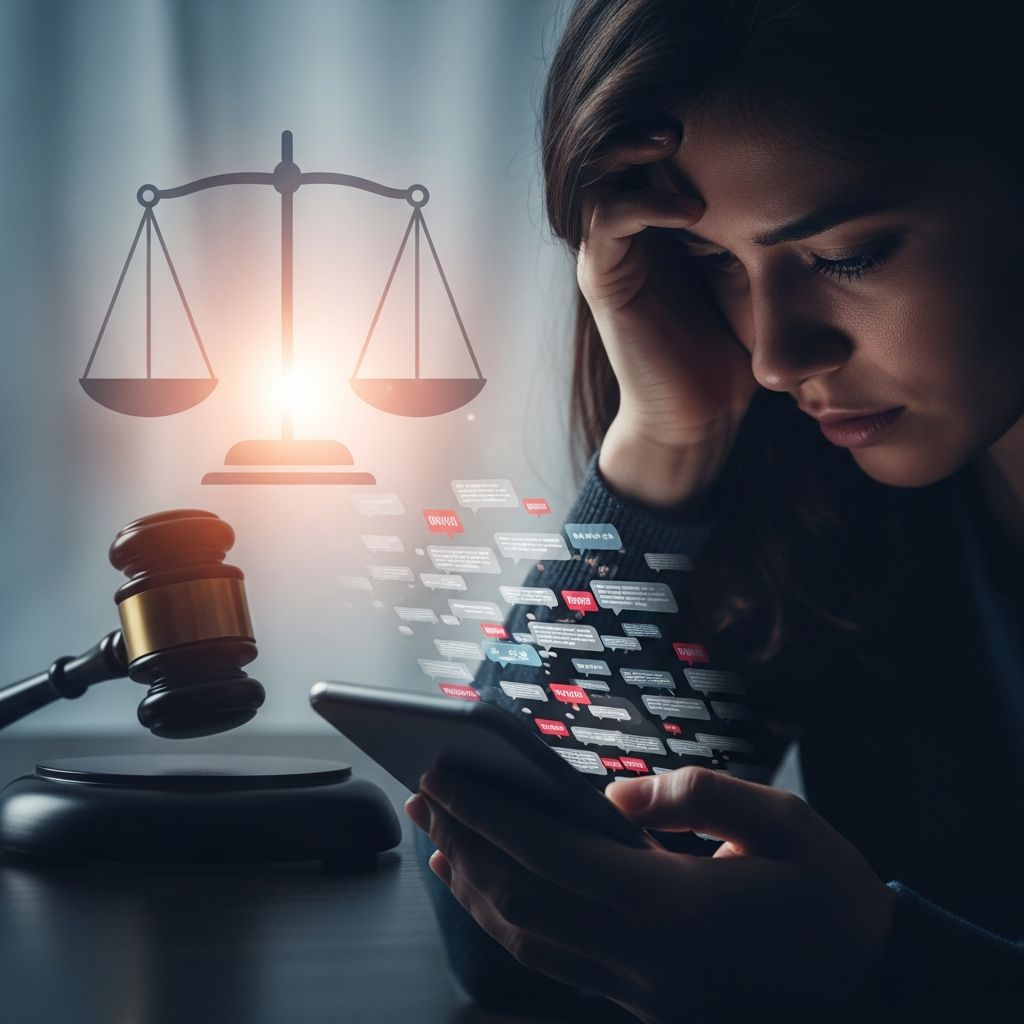
Cyberbullying inflicts profound emotional and psychological harm through digital platforms, often leaving victims feeling powerless. Legal intervention offers a pathway to protection, accountability, and recovery. Attorneys specializing in victim rights can guide individuals through complex processes to secure safety and justice.
Understanding Cyberbullying and Its Legal Implications
Cyberbullying encompasses repeated online harassment, threats, or defamation via social media, emails, or texts. Unlike traditional bullying, its reach is limitless, amplifying damage to reputation, mental health, and safety. Victims may experience anxiety, depression, or even suicidal ideation, making prompt legal action critical.
Legally, cyberbullying intersects with statutes on harassment, stalking, defamation, and privacy invasion. In many jurisdictions, it qualifies as technology-facilitated abuse (TFA), eligible for civil remedies like restraining orders. Criminal charges may apply if threats involve violence or extortion.
- Harassment: Persistent unwanted messages creating fear.
- Stalking: Following or monitoring online activities.
- Defamation: False statements harming reputation.
- Doxxing: Sharing private information maliciously.
Key Roles of Attorneys in Cyberbullying Cases
Experienced lawyers provide multifaceted support, from immediate safety measures to long-term recovery. They demystify legal options, ensuring victims avoid common pitfalls like mishandling evidence.
| Legal Service | Description | Benefits |
|---|---|---|
| Protection Orders | Filing for Stalking No Contact Orders (SNCO) or Orders of Protection | Immediate cessation of contact; enforceable by law |
| Evidence Preservation | Guiding safe collection and documentation | Strengthens cases without violating laws |
| Civil Claims | Pursuing damages for emotional distress | Financial compensation for losses |
| Victim Rights Enforcement | Ensuring compliance with rights laws | Access to notifications and support |
Securing Protective Orders Against Online Abusers
One of the fastest ways to halt cyberbullying is obtaining a protective order. These court-issued directives prohibit harassers from contacting victims or posting about them online. Even without criminal charges, victims can petition independently.
Attorneys assist by drafting petitions, gathering evidence like screenshots and logs, and representing clients in hearings. Comprehensive orders may include provisions for device restrictions, account deletions, or financial support if applicable. In Illinois, for instance, Stalking No Contact Orders specifically address online behaviors.
- Document all incidents with timestamps and platforms.
- Consult a lawyer to file the petition.
- Attend the hearing with legal representation.
- Enforce violations through law enforcement.
Legal advocates often accompany victims, providing information on rights and court procedures, enhancing success rates.
Safely Gathering and Preserving Digital Evidence
Evidence is the cornerstone of any cyberbullying case, but improper handling can undermine claims or expose victims to counter-charges. Lawyers advise on lawful methods, such as using screen-capture tools, preserving metadata, and avoiding direct confrontation with abusers.
Key strategies include:
- Capturing full conversations without editing.
- Using third-party services for forensic preservation.
- Notifying platforms to retain data before deletion.
- Avoiding retaliation to maintain credibility.
Professionals ensure compliance, identifying unknown perpetrators through IP tracing or subpoenas when needed. This meticulous approach transforms chaotic harassment into a compelling legal narrative.
Pursuing Compensation for Emotional and Financial Harm
Beyond stopping the abuse, victims may seek damages for therapy costs, lost wages, and pain and suffering. Civil lawsuits under tort law, such as intentional infliction of emotional distress, hold bullies accountable financially.
Attorneys evaluate case viability, negotiate settlements, or litigate if necessary. Victim compensation programs reimburse eligible expenses from violent crimes, including cyberstalking. Wraparound networks connect victims to specialists in family law, housing, or immigration if abuse intersects these areas.
Accessing Free and Low-Cost Legal Resources
Cost barriers should not deter help. Numerous organizations offer pro bono or sliding-scale services tailored to cyberbullying and TFA survivors.
- CAASE provides free representation for sexual stalking victims in Cook County, IL.
- Illinois Legal Aid assists with TFA petitions and orders.
- National networks like NCVLI’s Wraparound Victim Legal Assistance offer holistic support nationwide.
- Cyber Civil Rights Initiative directories list pro bono attorneys.
Victim rights attorneys enforce procedural fairness, from case notifications to impact statement drafting.
Navigating Criminal Prosecution Options
While civil remedies empower victims directly, criminal prosecution brings public accountability. Prosecutors handle charges, but attorneys advocate for victim input, ensuring safety concerns guide decisions. Legal aid includes accompaniment to meetings and testimony preparation.
The Department of Justice’s LAV Program funds services for stalking victims, covering criminal matters impacting safety.
Building Resilience: Long-Term Legal Strategies
Recovery extends beyond court wins. Lawyers help secure privacy enhancements, like address confidentiality programs, and address collateral issues such as employment disputes from doxxing.
Holistic approaches pair criminal advocacy with civil needs, creating comprehensive safety nets. Education on digital hygiene—strong passwords, privacy settings—complements legal efforts.
Frequently Asked Questions (FAQs)
Can I get a protective order without knowing the bully’s identity?
Yes, courts may issue orders based on patterns; lawyers help identify via digital forensics.
Is cyberbullying always a crime?
Not always, but severe cases qualify as stalking or harassment; civil options always apply.
How long does it take to get a protection order?
Emergency orders can issue same-day; full hearings within 10-21 days typically.
Do I need a lawyer for a cyberbullying case?
Recommended; they ensure proper evidence handling and maximize outcomes.
Are there federal laws against cyberbullying?
Federal cyberstalking statutes (18 U.S.C. § 2261A) apply across states; state laws vary.
Empowering Victims Through Informed Action
Legal support transforms cyberbullying from an isolating ordeal to a surmountable challenge. By partnering with attorneys and advocates, victims regain control, enforce boundaries, and foster healing. Start by documenting incidents and contacting local resources today.
References
- Legal Services – CAASE — CAASE. Accessed 2026. https://www.caase.org/legal-services/
- Technology-facilitated abuse (FAQ) — Illinois Legal Aid Online. Accessed 2026. https://www.illinoislegalaid.org/legal-information/technology-facilitated-abuse
- Comprehensive Legal Services for Victims of Crime — ICJIA. Accessed 2026. https://icjia.illinois.gov/researchhub/articles/comprehensive-legal-services-for-victims-of-crime
- Legal Assistance For Victims Program — U.S. Department of Justice. Accessed 2026. https://www.justice.gov/ovw/legal-assistance-victims-program
- Wraparound Victim Legal Assistance Networks — NCVLI. Accessed 2026. https://ncvli.org/what-we-do/legal-assistance/wraparound-legal-assistance-networks/
- Supporting Victims of Crime — Illinois Attorney General. Accessed 2026. https://illinoisattorneygeneral.gov/Safer-Communities/Supporting-Victims-of-Crime/
Similar Articles








Read full bio of Sneha Tete




