
Internet Trolling: Legal Consequences And 5 Ways To Stay Safe
Understand the serious legal consequences of internet trolling, from criminal charges to civil lawsuits in the digital age.
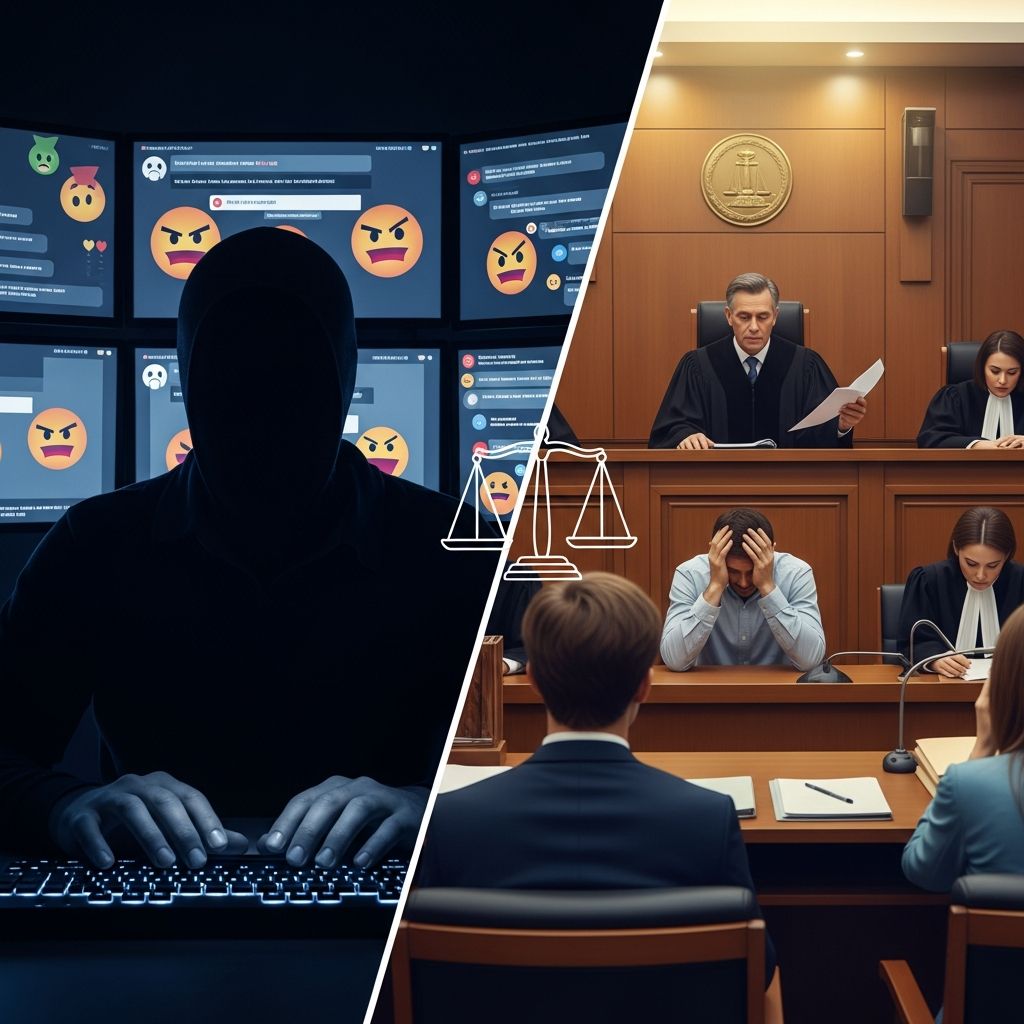
Internet trolling, often dismissed as harmless banter, carries substantial legal weight in today’s digital landscape. Actions like sending abusive messages, sharing private information without consent, or inciting harassment can lead to criminal prosecutions, imprisonment, fines, and civil lawsuits. As platforms crack down and laws evolve, understanding these boundaries is essential for anyone active online.
Defining Trolling and Its Digital Footprint
Trolling involves deliberately provoking emotional responses through inflammatory, off-topic, or offensive posts on social media, forums, or comment sections. While anonymity once shielded perpetrators, advanced tracking tools and stricter platform policies now make identification easier. What starts as a joke can escalate into harassment when it targets individuals with derogatory content, manipulated images, or coordinated attacks.
Key behaviors classified as trolling include creating offensive hashtags to humiliate others, photoshopping degrading images, or baiting users with false accusations of promiscuity. These acts leave digital trails that law enforcement can trace via IP addresses, account logs, and metadata.
Criminal Penalties Across Jurisdictions
Laws vary by country, but common threads emerge in prosecuting online misconduct. In the UK, the Online Safety Act introduces offenses like cyberflashing, epilepsy-trolling, and threatening communications, with penalties up to five years in prison. Trolls sending death threats or false information causing psychological harm face severe repercussions.
In the United States, federal and state statutes address these issues. The Computer Fraud and Abuse Act (18 U.S.C. § 1030) criminalizes unauthorized access to protected computers, including violations of platform terms like creating fake accounts for harassment, punishable by up to 10 years in federal prison. States like California enforce specific codes:
| Offense | Statute | Penalties (Misdemeanor) | Penalties (Felony) |
|---|---|---|---|
| Cyberstalking/Harassment | PC 646.9 / 653.2 | Up to 1 year jail, $1,000 fine | Up to 5 years prison |
| Criminal Threats | PC 422 | Up to 1 year jail, $1,000 fine | Up to 3 years prison, $10,000 fine |
| Doxing/Publishing Harmful Info | PC 653.2 | Up to 1 year jail, $1,000 fine | N/A |
These penalties apply when conduct alarms, torments, or terrorizes a reasonable person, especially if it involves doxing—revealing addresses, phone numbers, or financial details. Virtual mobbing, where groups incite harassment, is prosecutable similarly to offline equivalents.
High-Profile Examples and Prosecution Trends
Prosecutions have surged, with UK Ministry of Justice data showing a tenfold increase in troll convictions over a decade as of 2015. Recent UK guidelines target derogatory hashtags, photoshopped images, and incitement, aiding police in charging offenders. In the US, cases under California’s Penal Code demonstrate enforcement: a doxing incident leading to physical fear can result in misdemeanor charges, escalating if prior convictions exist.
Under the UK’s Online Safety Act, ‘Zach’s Law’ specifically penalizes epilepsy-trolling—sending flashing images to trigger seizures—with prison time. Sharing intimate images without consent (‘revenge porn’) carries up to two years if intent to distress is proven.
Civil Liabilities: Beyond Criminal Courts
Even without criminal charges, victims can pursue civil remedies. Defamation occurs when trolls post false, damaging statements about someone’s character or reputation. Intentional infliction of emotional distress applies to egregious, outrageous conduct causing severe psychological harm.
- Defamation Suit Elements: False statement, publication to third parties, fault (negligence or malice), and provable harm.
- Defenses: Truth, opinion (not fact), or First Amendment protections for public figures.
- Damages: Compensatory for losses, punitive for malice.
Platforms enjoy immunity under Section 230 of the Communications Decency Act, shielding them from liability for user content, but individual trolls remain accountable. Victims may secure restraining orders, forcing content removal and prohibiting contact.
Platform Policies and Federal Overlaps
Social media giants like Facebook ban bullying, fake accounts, and harassment, with violations leading to bans. Breaching these terms can constitute ‘unauthorized access’ under federal law, exposing trolls to CFAA charges. For instance, using false info to harass breaches authorization, risking felony prosecution.
In California, Penal Code 653m punishes electronic harassment with up to six months jail or counseling probation. Prosecutors weigh free speech but prioritize harm prevention.
Protecting Yourself from Trolling Accusations
To avoid liability:
- Post responsibly: Avoid personal attacks, threats, or private info shares.
- Understand context: Satire is protected, but targeted abuse isn’t.
- Public vs. Private: Public figures face higher bars for claims.
- Seek legal advice: If accused, defenses like free speech or lack of intent may apply.
Anonymity isn’t foolproof; subpoenas compel platforms to reveal identities. Document interactions if victimized, reporting to authorities and platforms promptly.
Victim Remedies: Steps to Take When Trolled
- Preserve Evidence: Screenshots, URLs, timestamps.
- Report to Platform: Use built-in tools for removal.
- File Police Report: For threats or doxing, especially if fear is reasonable.
- Seek Restraining Order: Court orders to cease contact.
- Civil Lawsuit: For defamation or distress.
State cyberbullying laws vary; 48 states criminalize some form, aiding prosecutions.
Frequently Asked Questions (FAQs)
Is casual trolling ever illegal?
Casual, non-targeted posts are often protected speech, but repeated, personal attacks cross into harassment.
Can I be sued for online opinions?
Opinions are safer than false facts; public figures must prove ‘actual malice’.
What is doxing, and why is it punished?
Doxing shares personal details to incite harm, violating laws like CA PC 653.2 with jail time.
Do platforms protect trolls?
No, Section 230 protects platforms, not users posting illegal content.
How has enforcement changed recently?
UK’s Online Safety Act adds offenses like cyberflashing with up to 5 years prison.
Navigating the Future of Online Accountability
As technology advances, so do enforcement mechanisms. AI moderation, international cooperation, and evolving laws signal diminishing tolerance for toxic behavior. Staying informed empowers users to engage positively, avoiding pitfalls that turn digital fun into legal nightmares. Education on digital citizenship remains key to a safer internet.
References
- Internet trolls may face prison under new legal guidelines — Griffin Law. 2023-01-01. https://www.griffin.law/internet-trolls-may-face-prison-new-legal-guidelines/
- Online abusers, trolls and predators now face prison under new criminal offences — Police Professional. 2024-01-31. https://policeprofessional.com/news/online-abusers-trolls-and-predators-now-face-prison-under-new-criminal-offences/
- Law Guides: Internet Trolling and Cyberbullying Law — The Lawyer Portal. 2023-01-01. https://www.thelawyerportal.com/blog/law-guides-internet-trolling-cyberbullying-law/
- Is Internet Trolling a Crime in California? — Shouse Law Group. 2023-01-01. https://www.shouselaw.com/ca/blog/computer-crimes/is-internet-trolling-a-crime-in-california/
- Federal Consequences of Lying on the Internet — Wallin & Klarich. 2014-06-09. https://www.wklaw.com/consequences-of-lying-on-the-internet/
- Trolled Online: What You Can Do When You’re Bullied on Social Media — Criminal Defense Lawyer. 2023-01-01. https://www.criminaldefenselawyer.com/resources/trolled-online-what-to-do-when-bullied-social-media.html
Similar Articles








Read full bio of Sneha Tete




