
Neighbor’s Bees or Livestock: Legal Recourse Options
Discover your legal options when neighbors' bees or livestock create hazards, from nuisance claims to negligence lawsuits.
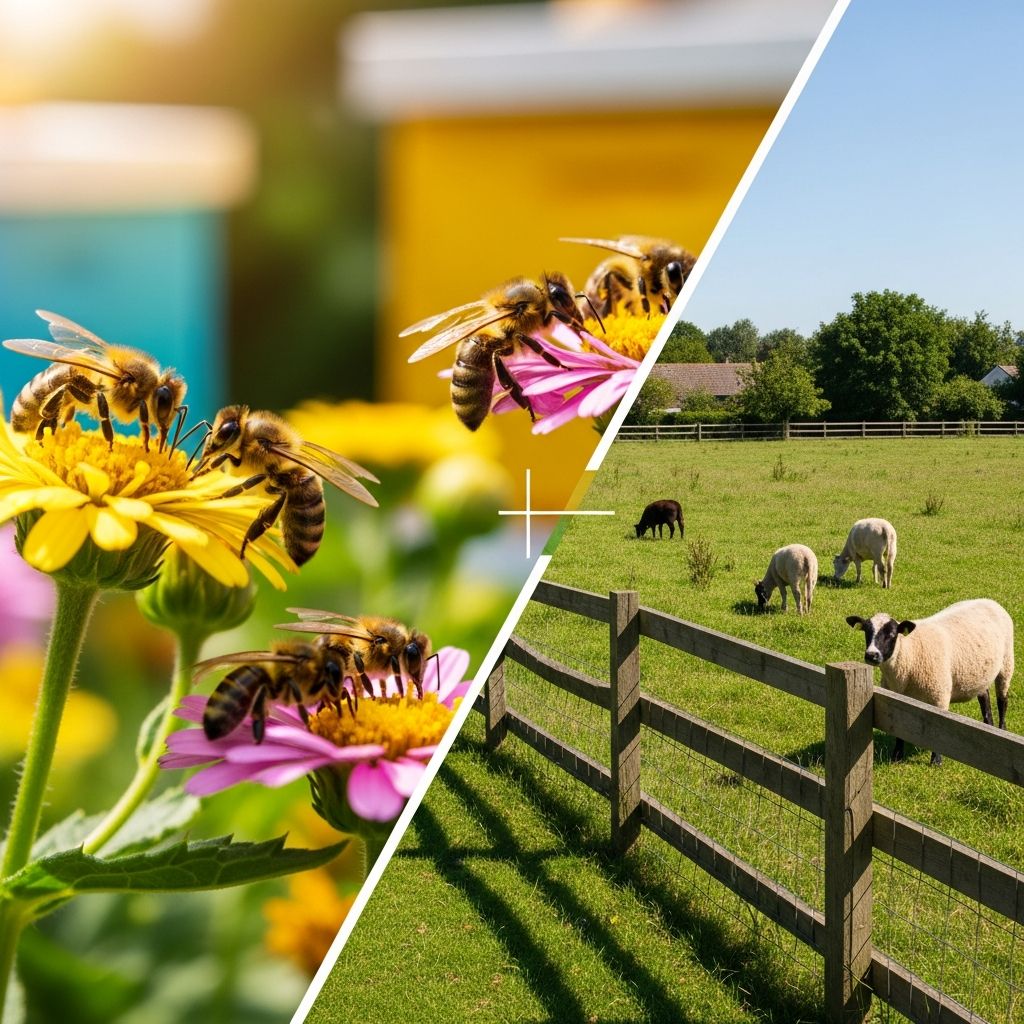
When everyday backyard activities like beekeeping or raising farm animals turn into safety threats, property owners often wonder about their rights. Bees swarming from a neighbor’s hive or loose livestock wandering onto your land can lead to stings, injuries, or property damage. This comprehensive guide examines the legal frameworks governing such disputes, helping you navigate potential claims for nuisance, negligence, and more.
Understanding Liability for Wild and Domestic Animals
Landowners generally face limited responsibility for naturally occurring wildlife on their property. Bees, classified as wild animals under common law principles dating back centuries, follow this rule unless the owner actively attracts or controls them. Courts have long held that property owners cannot be held accountable for unpredictable behaviors of creatures like bees, bears, or birds unless they introduce or domesticate them.
Domestic livestock, such as cows, horses, or chickens, carry different standards. Owners must exercise reasonable care to prevent these animals from escaping and causing harm. If a fence fails or gates are left open due to neglect, liability may arise for injuries or damages inflicted off the property.
- Wild animals (e.g., feral bees): No duty unless reduced to possession.
- Domestic animals (e.g., livestock): Duty of reasonable control and containment.
- Key distinction: Intentional beekeeping may shift bees from ‘wild’ to managed, potentially creating liability.
Private Nuisance Claims Against Neighbors
A private nuisance occurs when a neighbor’s activities substantially and unreasonably interfere with your use and enjoyment of your property. For bees, this might involve constant swarming, aggressive stings near shared boundaries, or pollination issues affecting gardens. Livestock could create nuisances through odors, noise from roosters, or manure accumulation spilling over fences.
To succeed in a nuisance lawsuit, plaintiffs must prove:
- An ongoing interference beyond normal neighborly tolerance.
- Unreasonableness based on locality, duration, and severity.
- No adequate non-legal remedies, like complaints to authorities.
Courts weigh factors such as rural vs. urban settings—livestock in a suburb may qualify as nuisance more readily than in farmland areas. Remedies include injunctions to remove the animals or monetary damages for lost property value.
Negligence: When Duty of Care Applies
Negligence claims hinge on proving a duty of care, breach, causation, and damages. For bees, if a neighbor knows of a hive in a tree overhanging your yard and ignores repeated warnings, they might breach a voluntary duty created by acknowledging the issue. Simply obtaining removal quotes without action typically does not create liability, as it does not worsen the situation.
Livestock negligence often involves poor fencing or supervision. For instance, if a horse repeatedly escapes and tramples your garden, the owner’s failure to repair barriers could support a claim. Allergic reactions or severe stings elevate damages, potentially including medical bills and pain compensation.
| Element | Bees Example | Livestock Example |
|---|---|---|
| Duty | After notice of hive danger | Prevent escape via secure fencing |
| Breach | Ignoring removal promises | Leaving gates open |
| Causation | Swarm attacks due to proximity | Animal wanders and injures |
| Damages | Stings, allergies, fear | Property destruction, bites |
Local Ordinances and Zoning Regulations
Many disputes resolve without court through municipal codes. Urban areas often restrict beekeeping to rear yards or prohibit it outright, while rural zones permit it with setbacks from property lines. Livestock ordinances may limit numbers, require enclosures, or ban certain species in residential zones.
Violations provide leverage: file complaints with code enforcement, animal control, or health departments. For bees, professional removal may be mandated, especially if structural. Some states protect honeybees as agricultural assets, complicating enforcement but allowing citations for improper placement.
- Check city hall for apiary laws.
- Verify property lines to confirm hive/livestock location.
- Document violations with photos and witness statements.
Steps to Take Before Filing a Lawsuit
Litigation should be a last resort. Start with polite communication—notify your neighbor in writing about the issue, suggesting solutions like hive relocation or fence repairs. Follow up with evidence of ongoing problems.
Next, involve mediators or homeowners’ associations if applicable. Then, report to authorities. Only after exhaustion pursue legal action, consulting an attorney for demand letters.
- Document incidents: dates, photos, injuries.
- Seek medical attention for stings or bites.
- Preserve evidence like vet bills for damaged plants/animals.
Case Studies: Real-World Outcomes
In one notable case, a New Hampshire court dismissed claims against a landowner for bee stings, citing wild animal doctrines and lack of control. The property owner had no duty despite prior notice, as obtaining estimates did not obligate action.
Conversely, property owners have succeeded when proving knowledge and inaction. A lawnmower injured by neighbor’s bees after ignored warnings led to settlements. Livestock escapes in suburban areas have resulted in injunctions and compensation when negligence was clear.
Insurance Considerations and Defenses
Homeowners’ policies may cover liability for animal-related incidents, but exclusions apply for intentional acts or wild animals. Neighbors might claim contributory negligence if you provoke bees (e.g., mowing too close) or fail to fence your yard against strays.
Defenses include:
- Assumption of risk: Entering known hazardous areas.
- Statute of limitations: Typically 2-3 years for personal injury.
- Comparative fault: Reducing awards based on shared blame.
Special Considerations for Allergies and Children
Individuals with bee sting allergies face heightened risks, potentially justifying stronger claims. Epinephrine auto-injectors are recommended, but this does not absolve negligent neighbors. For children at bus stops or playing near boundaries, parental supervision duties intersect with neighbor liability.
In protected bee states, balance agricultural benefits against safety—courts may require reasonable accommodations like signage or barriers.
Frequently Asked Questions
Can I sue my neighbor for bee stings on my property?
Yes, if you prove negligence, such as ignored warnings about a known hive, leading to your injuries. Wild bee doctrines limit strict liability.
What if livestock damages my garden repeatedly?
Pursue negligence for poor containment; seek damages and injunctions. Local fencing laws strengthen your case.
Do local laws protect beekeepers from complaints?
Some states do, but zoning setbacks and nuisance standards still apply. Check ordinances first.
How do I prove a nuisance from neighbor’s animals?
Show unreasonable interference via logs, photos, and expert testimony on impacts.
Should I remove bees myself?
No—hire licensed professionals; DIY can worsen swarms and void insurance.
Protecting Your Property Proactively
Install fences, plant bee-repelling flora, and maintain buffers. Join neighborhood watches for early alerts on roaming animals. Legal awareness empowers peaceful resolutions over costly battles.
This guide equips you to address threats from neighbors’ bees or livestock effectively, prioritizing safety and rights preservation.
References
- Neighbor home has bees – Legal Answers — Avvo. 2008-05-02. https://www.avvo.com/legal-answers/neighbor-home-has-bees-472281.html
- Bee stings: Property owners may be liable — Robinson Law LLC. 2018-09-01. https://www.robinsonlawllc.com/blog/2018/09/bee-stings-property-owners-may-be-liable/
- Mean neighbors using your site against me — Honey Bee Suite. 2015-01-01. https://www.honeybeesuite.com/mean-neighbors-using-your-site-against-me/
- Wild Animals and Property Owner Liability — New Hampshire Supreme Court (Belhumeur v. Zilm). 2008-05-02. https://www.courts.nh.gov/sites/g/files/ehbemt586/files/documents/case-orders/belhumeur-v-zilm.pdf
- Model Animal Control Ordinance — National Animal Control Association (.org). 2023-01-01. https://www.nacanet.org/model-animal-control-ordinance/
Similar Articles








Read full bio of medha deb




