
Legal Recourse for Cyberbullying Victims
Understanding your rights when your child becomes a cyberbullying victim and pursuing legal remedies.
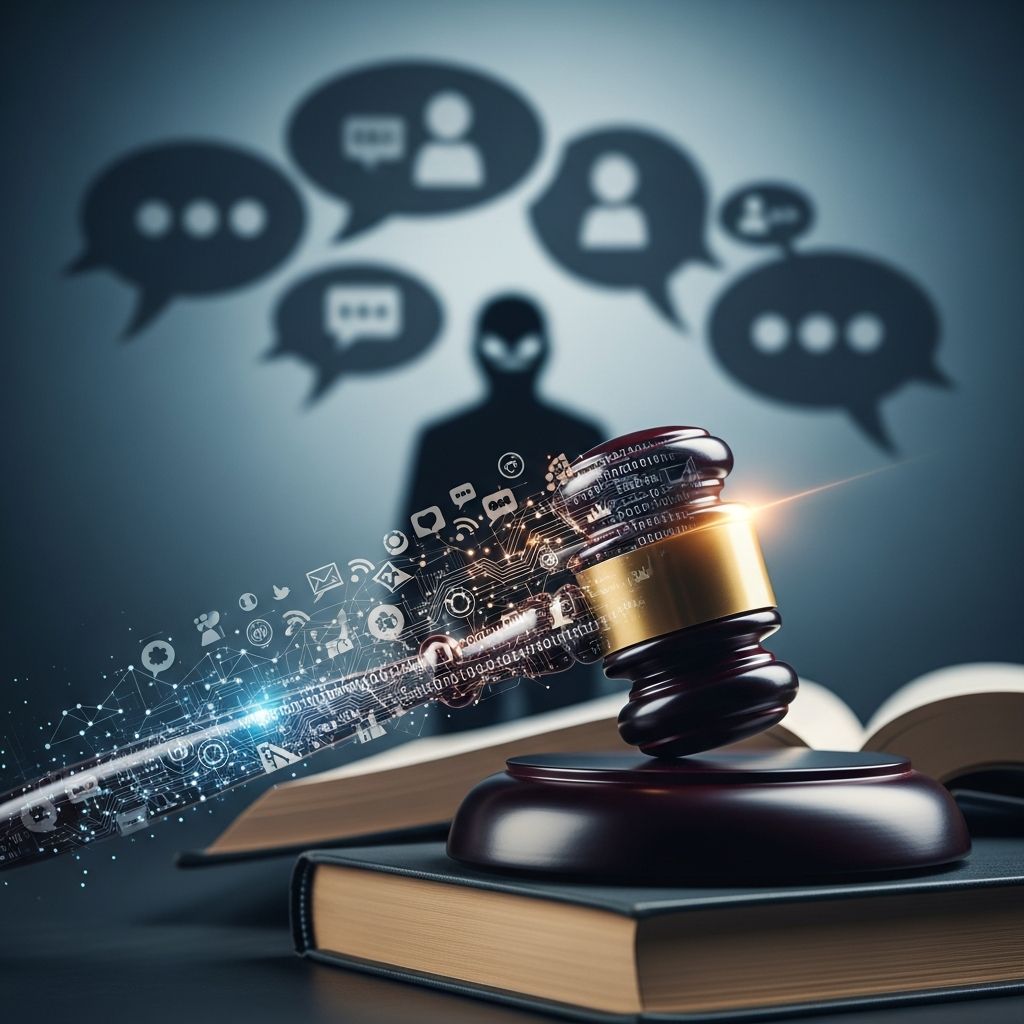
Understanding Your Options When Your Child Is a Cyberbullying Victim
When a child falls victim to cyberbullying, the emotional and psychological toll can be devastating. However, many parents are unaware that the legal system provides multiple avenues for recourse. Unlike traditional bullying, which typically occurs in physical spaces, cyberbullying operates through digital channels, creating a permanent record of harassment that can be presented as evidence in court. Understanding the legal landscape surrounding online harassment is crucial for parents seeking justice and compensation for their child’s suffering.
The question of whether parents can sue for cyberbullying is not a simple yes or no answer. Instead, it depends on several factors, including jurisdiction, the nature of the harassment, the severity of harm caused, and the parties held responsible. This comprehensive guide explores the various legal pathways available to families navigating this challenging situation.
Civil Liability Against the Perpetrator’s Family
One of the primary legal avenues available to parents is pursuing civil liability against the parents of the child who committed the cyberbullying. Most states have enacted parental liability statutes that hold parents legally responsible for the harmful actions of their minor children, even when the parents were unaware of the behavior.
These laws operate on the principle that parents have a fundamental duty to supervise their children and control their access to technology. When a minor causes injury or damage through online harassment, the parents can be held financially accountable for resulting damages.
State-Specific Parental Liability Framework
Parental liability laws vary significantly across jurisdictions. For instance, in Pennsylvania, parents may be held liable for up to $1,000 in damages for injuries to one person or $2,500 for multiple injuries resulting from their child’s tortious acts. However, it is important to note that Pennsylvania does not cap personal liability for a parent’s failure to supervise, meaning a parent could potentially be responsible for the full amount of any judgment.
California takes a different approach through its Civil Code § 1714.1, which makes parents liable for willful misconduct of minors in their custody. California’s liability caps vary depending on the specific violation, with some limitations reaching $25,000 to $37,400 per wrongful act. This statute requires that the parent have custody and control over the minor for liability to attach.
Most states recognize that parental liability depends on whether the parent knew or should have known about the child’s tendency toward harmful behavior. Courts examine whether parents failed to exercise reasonable supervision over their child’s internet access and online activities.
Direct Parental Negligence Claims
Beyond holding parents liable for their child’s direct actions, many jurisdictions allow victims to sue parents for their own negligence. This theory of liability focuses on the parent’s failure to supervise or their negligent entrustment of technology to their child.
A parent who provides a child with unsupervised internet access, a smartphone, or computer without implementing reasonable safeguards may face personal liability. This is distinct from liability for the child’s actions themselves; instead, it holds the parent accountable for their own breach of duty to prevent harm.
Courts have consistently recognized that parents have a duty to exercise reasonable supervision and control over their minor children. When a parent knows or should know that their child is engaging in cyberbullying but fails to intervene, this inaction can constitute negligence. A parent who actively encourages cyberbullying or fails to stop it despite awareness faces even greater legal exposure.
Civil Causes of Action in Cyberbullying Cases
When filing a civil lawsuit related to cyberbullying, victims typically pursue one or more of the following legal theories:
- Defamation: When false statements posted online damage a person’s reputation and are published to third parties, the victim may recover damages for harm to their professional or personal standing.
- Invasion of Privacy: Unauthorized sharing of private photographs, personal information, or intimate details without consent constitutes a violation of privacy rights.
- Intentional Infliction of Emotional Distress: Extreme and outrageous conduct intended to cause severe emotional harm may support damages beyond typical compensation.
- Harassment: Persistent unwanted contact, threats, or intimidation through digital means can form the basis of a harassment claim.
- Negligent Entrustment: When a parent provides technology without adequate supervision to a child known to have propensities toward harmful behavior.
School District Accountability
In addition to pursuing claims against the perpetrator and their family, parents may hold schools liable for their failure to intervene in cyberbullying situations. Many schools have duties under state law to address bullying and harassment that occurs both on and off campus, particularly when it impacts the school environment or student safety.
To establish liability against a school district, parents must typically demonstrate that the school knew or should have known about the cyberbullying and negligently failed to take appropriate action. This requires showing that school administrators received notice of the harassment but failed to implement reasonable measures to stop it or protect the victim from future harm.
School policies and state anti-bullying laws often establish specific procedures that schools must follow when notified of bullying incidents. Failure to follow these procedures can constitute negligence. Additionally, some schools may be liable for negligence in their failure to supervise student use of school technology or network systems.
Damages and Compensation Available
When parents successfully establish liability in a cyberbullying case, they may recover various types of damages:
| Damage Type | Description | Examples |
|---|---|---|
| Economic Damages | Quantifiable financial losses directly caused by the bullying | Medical bills, therapy costs, psychiatric treatment, tutoring |
| Non-Economic Damages | Compensation for subjective harm and suffering | Pain and suffering, emotional distress, loss of enjoyment of life |
| Punitive Damages | Additional damages intended to punish egregious behavior (not available in all states) | Awarded when defendant’s conduct was particularly malicious or reckless |
| Future Damages | Projected losses from ongoing harm | Long-term mental health treatment, educational disruption |
Many states allow recovery for psychiatric treatment, counseling, therapy, and other mental health services required to address trauma from cyberbullying. Parents can also seek compensation for their child’s emotional suffering, including anxiety, depression, and post-traumatic stress related to the harassment.
Social Media Platform Accountability
An emerging area of litigation involves holding social media companies liable for enabling cyberbullying on their platforms. Parents are increasingly filing lawsuits against major social media companies, arguing that these platforms create environments that facilitate harassment and that company executives knowingly failed to implement adequate safety measures.
These lawsuits typically argue that social media companies are aware of the risks their platforms pose to young users and that anonymity features enable bullies to harass victims without consequence. While these cases present novel legal theories, some jurisdictions have begun recognizing potential liability for platform operators who fail to moderate harmful content or provide adequate safety features for minors.
Criminal Prosecution as a Complement to Civil Action
In addition to civil lawsuits, many states have criminal statutes addressing cyberbullying and online harassment. Criminal charges may be pursued by prosecutors independently of civil litigation. Criminal conviction can result in imprisonment or probation for the perpetrator and may strengthen a civil case against the perpetrator or their parents.
Parents should understand that the criminal and civil systems operate independently. Criminal charges do not automatically result in civil liability, and civil liability does not require criminal conviction. However, a criminal guilty plea can often be used as evidence in subsequent civil litigation, potentially making civil cases easier to prove.
Insurance Coverage Considerations
Many homeowners insurance policies provide coverage for personal liability claims, including those arising from cyberbullying committed by family members. This coverage may apply to the defendant’s family, potentially funding defense costs and damage awards.
Parents facing cyberbullying lawsuits should immediately notify their insurance company to ensure coverage is not waived due to failure to provide timely notice. Some policies may exclude certain types of harm or conduct, so reviewing policy language carefully is essential. Additionally, umbrella or personal liability policies may provide additional coverage beyond standard homeowners policies.
Evidentiary Considerations and Documentation
Successfully proving a cyberbullying case requires comprehensive documentation of the harassment. Parents should preserve all evidence of online abuse, including screenshots of posts, messages, and comments. Many social media platforms allow users to report content and receive documentation of their reports, which can establish a timeline of harassment.
Digital forensics experts can help preserve evidence, create official records of online conduct, and authenticate digital materials for use in court. Email correspondence, IP addresses, and metadata can help establish the perpetrator’s identity and intent. This technical evidence is often crucial in demonstrating the severity and nature of harassment.
Procedural Requirements and Statute of Limitations
Different jurisdictions have varying procedural requirements and time limits for filing cyberbullying lawsuits. Parents must comply with all notice requirements, filing deadlines, and procedures specific to their state. For lawsuits against school districts, special notice and claim procedures often apply, with much shorter notice periods than general tort litigation.
The statute of limitations for personal injury cases involving minors often extends beyond the standard limitations period, as many states toll limitations periods for victims while they are minors. Parents should consult with an attorney to understand applicable deadlines in their jurisdiction.
Practical Steps for Parents Considering Legal Action
- Document all evidence of cyberbullying through screenshots and preservation of digital records
- Report incidents to the relevant social media platform and preserve documentation of reports
- Notify the school administration in writing and maintain copies of all correspondence
- Obtain records of any counseling, medical treatment, or mental health services related to the cyberbullying
- Consult with an experienced personal injury attorney specializing in cyberbullying cases
- Notify your homeowners insurance company immediately if considering legal action
- Keep detailed records of the psychological impact on your child for damage calculation
Frequently Asked Questions
Q: Can parents be held liable for cyberbullying their child commits?
A: Yes. Most states have parental liability laws holding parents legally and financially responsible for harm caused by their minor children’s actions, including cyberbullying. Parents may also face personal liability for negligent supervision or failure to intervene when aware of the harassment.
Q: What types of damages can be recovered in a cyberbullying lawsuit?
A: Victims may recover economic damages such as medical and therapy costs, non-economic damages for emotional distress and suffering, and in some cases, punitive damages for particularly malicious conduct. Future damages for ongoing treatment may also be available.
Q: Can schools be sued for failing to stop cyberbullying?
A: Yes, schools may be liable for negligence if they knew about cyberbullying affecting their students and failed to take reasonable action to stop it. However, special procedures and notice requirements typically apply to lawsuits against school districts.
Q: Are social media companies responsible for cyberbullying on their platforms?
A: An emerging area of law addresses platform liability. While establishing liability requires showing the platform knew of risks and failed to implement adequate safety measures, some jurisdictions have begun recognizing potential claims against social media companies.
Q: How long do I have to file a lawsuit for cyberbullying?
A: Statute of limitations periods vary by state and type of claim. For minors, limitations periods are often extended. Consult a local attorney to understand deadlines applicable in your jurisdiction.
Q: Will my homeowners insurance cover a lawsuit against my child for cyberbullying?
A: Many homeowners policies provide personal liability coverage that may apply to cyberbullying claims. Notify your insurance company immediately if you anticipate litigation to ensure coverage is preserved.
References
- Can Parents be Held Civilly Liable for their Child’s Cyberbullying? — Wie and Law, LLP. Accessed 2026. https://www.wieandlaw.com/can-parents-held-civilly-liable-childs-cyber-bullying/
- Legal Action Based on Cyberbullying — Justia. Accessed 2026. https://www.justia.com/child-safety/online-safety/cyberbullying-of-children/
- Can You Hold Parents Liable for Bullying at School? — BC Law Offices. Accessed 2026. https://bclawoffices.com/can-you-hold-parents-liable-for-bullying-at-school/
- California Cyberbullying & Cyberstalking Laws — Cutter Law. Accessed 2026. https://cutterlaw.com/california-laws/cyberbullying-and-cyberstalking/
- The Risks Parents Face When Their Child Bullies — Alliant Private Client. Accessed 2026. https://alliantprivateclient.com/articles/the-risks-parents-face-when-their-child-bullies/
Similar Articles








Read full bio of Sneha Tete




