
Essential Legal Precautions for International Holiday Journeys
Master the legal essentials to ensure your overseas holiday adventures remain safe, compliant, and free from unexpected troubles.
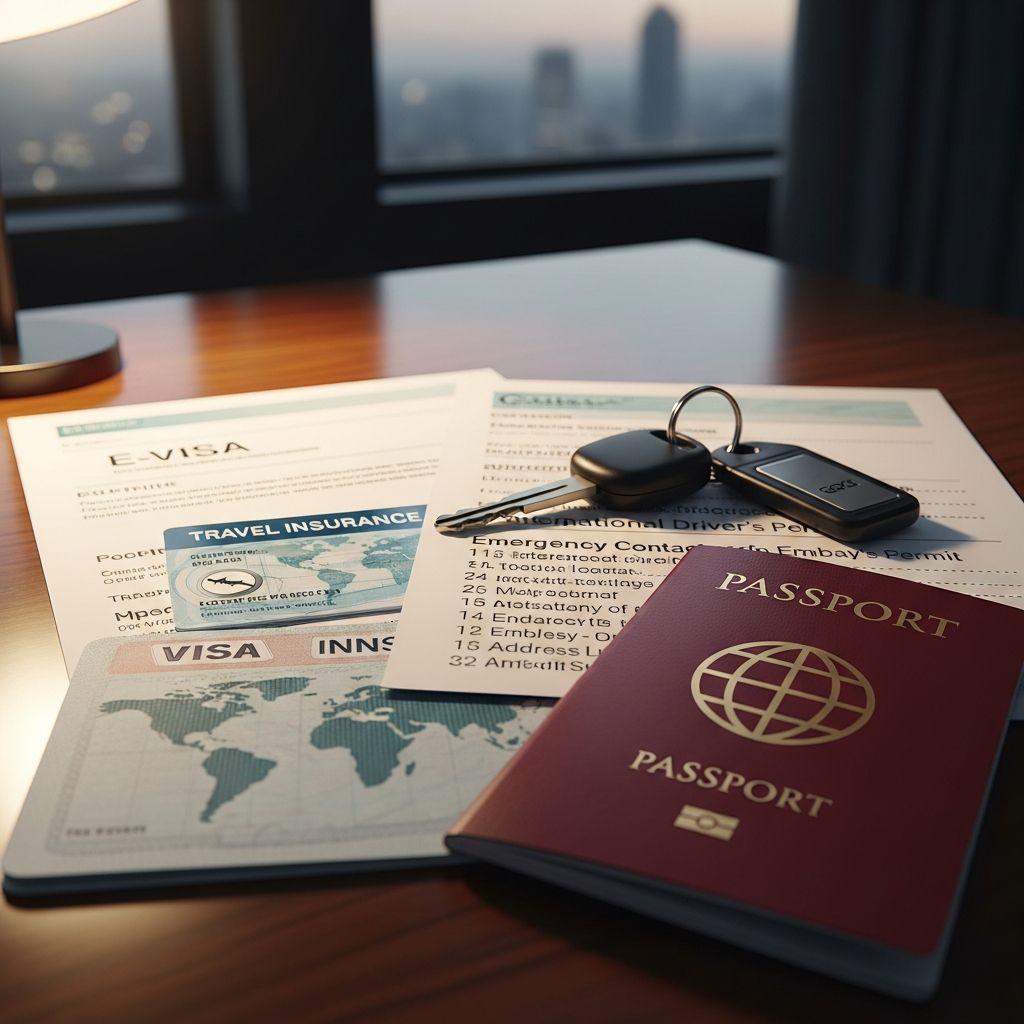
Embarking on an international trip during the holiday season promises excitement and relaxation, but overlooking legal requirements can lead to serious disruptions. From ensuring proper documentation to understanding foreign regulations, proactive preparation safeguards your adventure. This guide outlines key legal steps drawn from authoritative recommendations to help travelers comply with global standards and minimize risks.
Verify Essential Travel Documentation
Your passport serves as the cornerstone of international mobility, and its validity directly impacts entry permissions. Many nations enforce a rule requiring passports to remain valid for at least six months beyond your planned departure date from their territory—a policy known as the “six-month validity rule.” Failure to meet this can result in denied boarding or entry, stranding you at airports or borders.
Additionally, confirm the availability of blank visa pages; the U.S. Department of State advises at least two blank pages per visited country to accommodate stamps and visas. For families traveling with minors, obtain notarized consent letters from non-accompanying parents or legal guardians. Embassies often specify formats, including translations if needed, to prevent suspicions of child trafficking.
- Renew passports early if expiration approaches within six months post-trip.
- Photocopy all documents and store digitally in cloud services, sharing copies with trusted contacts at home.
- Enroll in the Smart Traveler Enrollment Program (STEP) for U.S. citizens to receive safety alerts and expedite emergency assistance.
Research Destination-Specific Entry Rules
Visa policies vary widely; some countries offer visa-on-arrival or electronic visas (e-visas), while others demand advance applications through embassies. Use official government portals to verify requirements, as processing times can extend several weeks during peak holiday periods. Overstaying visas incurs fines, deportation, or bans on future visits.
Health-related entry mandates, such as vaccinations for yellow fever or COVID-19 protocols, must also be checked. The CDC and WHO provide updated lists based on disease prevalence. Carry proof of vaccinations in internationally recognized formats like the WHO yellow card.
| Document Type | Typical Requirements | Consequences of Non-Compliance |
|---|---|---|
| Passport | 6+ months validity, blank pages | Boarding denial, entry refusal |
| Visa | Pre-approval or on-arrival eligibility | Fines, detention, deportation |
| Health Certs | Specific vaccines | Quarantine, entry ban |
Understand and Adhere to Local Legal Frameworks
Laws differ profoundly across borders—what’s permissible at home may constitute a felony abroad. For instance, public displays of affection, photographing government sites, or using drones without permits can lead to arrests in conservative or security-sensitive regions. Alcohol consumption, drug possession—even prescriptions—and dress codes carry strict penalties in some Islamic nations.
Prior to departure, consult travel advisories from the U.S. State Department, categorized by risk levels from Level 1 (exercise normal precautions) to Level 4 (do not travel). These detail crime rates, terrorism threats, health risks, and legal pitfalls. Apps and websites translate advisories into local languages for on-the-ground reference.
Heightened awareness during holidays prevents unwitting violations amid festive distractions. Engage with expat forums or official embassy pages for real-time insights, but cross-verify with primary sources.
Manage Medications and Prohibited Items
Prescription drugs legal domestically may face bans overseas due to varying controlled substance classifications. The U.S. State Department urges travelers to carry medications in original packaging with labels and doctors’ notes detailing medical necessity. Research destination laws via embassy sites; for example, certain ADHD or pain medications require special import permits.
Customs restrictions extend to food, plants, electronics, and souvenirs. Declare valuables to avoid theft accusations upon return, and note U.S. limits on duty-free imports like alcohol (1 liter per adult) or tobacco. Prohibited items such as fresh fruits, meats, or cultural artifacts can trigger confiscation or fines.
- Compile a medication dossier with prescriptions, generic names, and dosages.
- Avoid OTC drugs like pseudoephedrine, illegal in Japan and elsewhere.
- Use airline baggage tracers and pack securely to prevent losses.
Prepare for Emergencies and Common Hazards
Arm yourself with local emergency numbers (e.g., Europe’s 112, varying elsewhere) and U.S. embassy/consulate contacts, printed in English and local scripts. In crises like arrests or accidents, embassies offer guidance but cannot secure release or legal representation—consider travel insurance covering evacuation and legal fees.
Tourist scams proliferate during holidays: fake taxis, overcharging vendors, or distraction thefts. Stay vigilant in crowds, use licensed transport, and pay with cards where possible for traceability. For delayed flights or lost luggage, document incidents with photos and reports for claims.
Digital backups enhance security—scan tickets, itineraries, and insurance policies into password-protected apps. Notify banks of travel to prevent card blocks.
Financial and Insurance Safeguards
Travel insurance transcends standard health policies, covering trip cancellations, medical repatriation, and baggage loss—essential as holiday U.S. coverage often voids abroad. Review exclusions like adventure sports or pandemics.
Carry multiple payment methods: credit cards with no foreign fees, prepaid travel cards, and cash in small denominations. Activate fraud alerts and monitor accounts via apps. ATMs in banks minimize skimming risks.
Frequently Asked Questions (FAQs)
What if my passport expires soon?
Renew immediately; many airlines and countries reject passports expiring within six months of entry. Expedited services process in 2-3 weeks.
Do I need visas for all countries?
No; check the State Department’s visa wizard for waivers under programs like ESTA for Europe.
Can I take my prescription meds abroad?
Yes, with documentation; verify legality first to avoid confiscation or arrest.
What to do if arrested overseas?
Contact the nearest U.S. embassy immediately for support and family notifications.
How to handle child travel consent?
Secure notarized letters from both parents or guardians, plus birth certificates.
Conclusion: Travel Smart, Stay Legal
Integrating these legal precautions transforms potential holiday mishaps into seamless experiences. By prioritizing documentation, cultural awareness, and emergency readiness, you focus on joy rather than jeopardy. Safe travels!
References
- International Travel Checklist — U.S. Department of State. 2023-01-15. https://travel.state.gov/content/travel/en/international-travel/before-you-go/travelers-checklist.html
- Planning Your Travel — U.S. Department of State. 2025-10-01. https://travel.state.gov/en/international-travel/planning.html
- Travel Safety Tips — Travelers Insurance. 2024-11-20. https://www.travelers.com/resources/home/safety/travel-safety-tips
Similar Articles








Read full bio of Sneha Tete




