
Legal Options for School Injuries: A Parent’s Guide
Understanding your rights when your child is injured at school or daycare facilities.
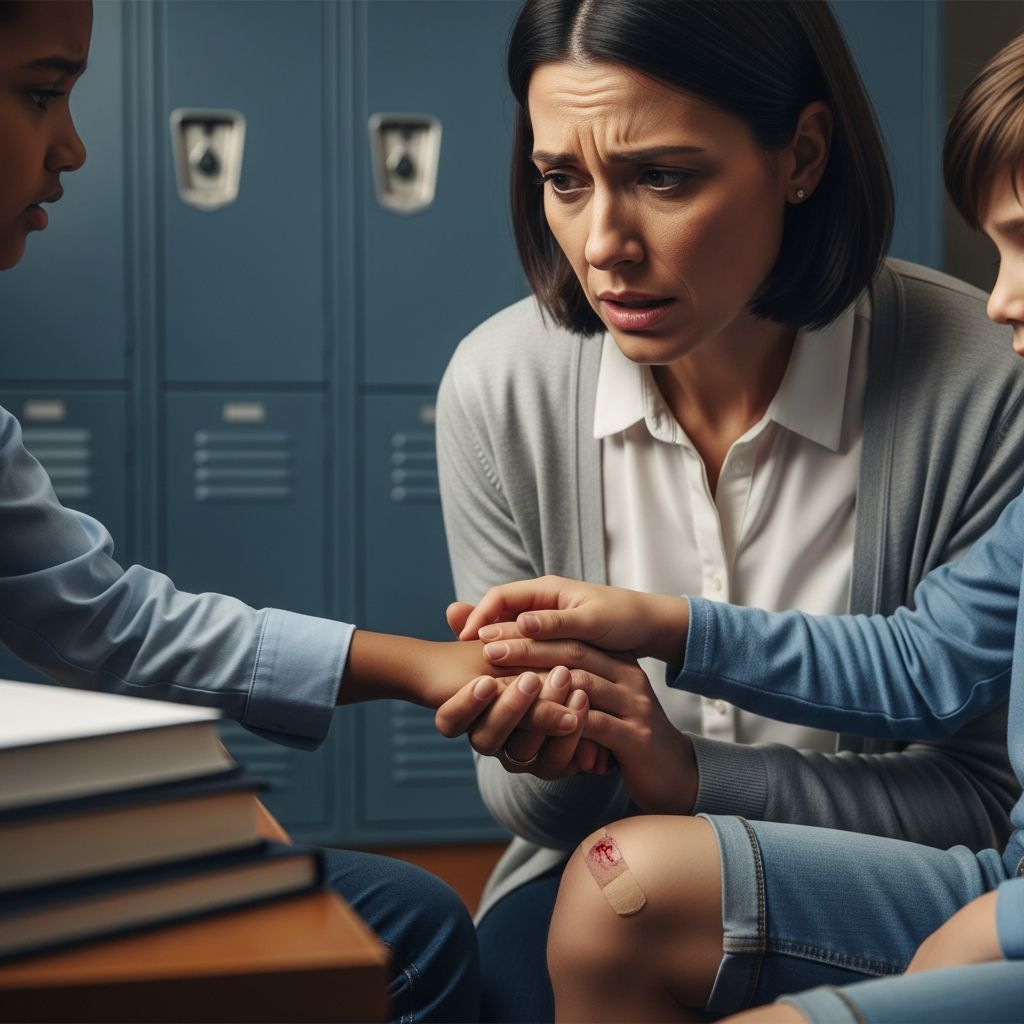
Understanding Your Rights After a School Injury
When a child suffers an injury at an educational institution, parents often face difficult decisions about how to proceed. The emotional toll of seeing your child hurt can be compounded by uncertainty regarding legal remedies and financial recovery options. Understanding the framework for pursuing accountability through the legal system is essential for parents navigating these challenging situations. Educational facilities, whether public or private schools, have fundamental responsibilities to maintain safe environments for the children in their care. When these institutions fail in this duty, injured children and their families may have grounds to seek compensation for medical expenses, ongoing treatment costs, and the impact on the child’s quality of life.
Establishing Negligence in Educational Settings
To successfully pursue legal action against a school or daycare facility, parents must demonstrate that the institution failed to meet its duty of care toward their child. This foundation is critical to any personal injury case involving a minor. The legal concept of negligence in educational environments revolves around several key components that must be established through evidence and testimony.
The Four Pillars of Negligence Claims
Every viable personal injury lawsuit rests on proving four distinct elements, all of which must be present for a claim to succeed:
- Duty of Care: The educational facility must have had a legal obligation to protect your child from foreseeable harm. Schools and daycare centers inherently bear this responsibility simply by virtue of accepting children into their facilities.
- Breach of Duty: You must demonstrate that the facility failed to meet this standard of care. This could occur through active negligence (such as a teacher pushing a child) or passive negligence (such as failing to supervise an area where children play).
- Causation: There must be a direct causal link between the facility’s breach and your child’s injury. The breach must be the proximate cause, meaning a reasonably foreseeable result of the negligent conduct.
- Damages: Your child must have sustained documented physical, emotional, or financial harm. This includes medical bills, ongoing treatment costs, pain and suffering, and any lasting developmental or psychological impacts.
Common Scenarios of School and Daycare Negligence
Injuries at educational institutions can arise from various circumstances, many of which involve preventable negligence. Understanding typical scenarios helps parents recognize when they may have a viable claim.
Inadequate Supervision: Children require age-appropriate supervision to prevent accidents. Negligent supervision occurs when caregivers fail to maintain reasonable oversight, such as leaving young children unattended on a playground, allowing unsupervised access to hazardous materials, or failing to intervene in situations involving bullying or physical altercations.
Unsafe Facility Conditions: Schools and daycare centers must maintain premises free from hazards. This includes repairing broken playground equipment, maintaining safe flooring without tripping hazards, ensuring proper sanitation, and securing areas where dangerous items are stored. Failure to conduct regular safety inspections or address known hazards demonstrates negligence.
Inadequate Staff Training: Educational facilities are responsible for employing trained personnel capable of responding appropriately to emergencies. Injuries resulting from untrained staff’s failure to provide first aid, mishandling of medical conditions, or improper response to accidents can constitute actionable negligence.
Negligent Hiring and Retention: Schools must conduct thorough background checks and maintain appropriate staffing standards. Employing individuals with histories of violence or abuse, or retaining staff members after incidents of negligence, may create liability for the institution.
The Role of Parents and Legal Guardians in Pursuing Claims
A fundamental legal principle affects how childhood injury cases proceed: minors cannot file lawsuits independently. This protection recognizes children’s lack of legal capacity while ensuring their interests receive proper advocacy.
Who Can File on a Child’s Behalf
The authority to pursue a personal injury claim on behalf of an injured child typically rests with the child’s biological parent or legally appointed guardian. This responsibility includes making decisions about settlement offers, representing the child’s interests throughout litigation, and managing any compensation awarded. In situations where parental custody is contested or unclear, the court system can appoint a legal guardian or conservator specifically to oversee the child’s injury claim.
Legal guardians—whether grandparents, aunts, uncles, or other relatives—possess the same standing to file claims as biological parents when they have been formally appointed through the court system. This appointment process ensures that only individuals with a genuine interest in the child’s welfare and appropriate authority can make decisions affecting the child’s legal case.
Judicial Oversight of Minor Settlements
An important safeguard built into the legal system is judicial review of any proposed settlement. When parties agree to resolve a child’s injury claim, the court must approve the settlement terms to ensure they genuinely serve the child’s best interests. This process, known as a compromise approval, prevents situations where parents might settle for inadequate compensation or where agreements might inappropriately distribute funds between parental claims and the child’s compensation.
Judicial oversight varies by jurisdiction but generally includes examination of whether the settlement amount reasonably reflects the extent of the child’s injuries, whether medical testimony supports the proposed compensation, and whether fees and expenses have been appropriately calculated. Some states impose specific thresholds—for example, requiring court approval for settlements exceeding certain amounts—while others mandate judicial review for all minor settlements.
Statutes of Limitations: Time Constraints on Filing
Parents must be aware that personal injury claims operate within specific timeframes. These deadlines, known as statutes of limitations, vary significantly by state and can determine whether a valid claim can proceed or must be abandoned.
In many jurisdictions, the standard statute of limitations for personal injury claims extends from two to three years from the date of injury. However, special rules often apply to minors. Several states pause or extend the statute of limitations for children, recognizing that parents may need time to evaluate the injury’s long-term effects before committing to litigation. For instance, in some locations, parents have until the child’s eighteenth birthday to file a claim, with the clock beginning anew when the child reaches majority age. This structure means a child injured at age five might have until age twenty to pursue their own claim after reaching adulthood.
These extended timelines provide significant advantages but also require parents to remain vigilant about filing deadlines. Consulting with an attorney soon after an injury ensures that crucial deadlines are not missed and that evidence remains fresh and accessible.
Distinguishing Between Parental and Child Compensation
A nuance in school injury litigation involves separating compensation owed to parents from compensation owed to the injured child. Both may have legitimate claims arising from the same incident.
Parental Damages
Parents who incur expenses related to their child’s injury may recover compensation for:
- Medical bills paid on behalf of the child, including emergency care, surgeries, and specialist consultations
- Ongoing treatment and rehabilitation costs, including physical therapy or mental health counseling
- Wages lost while caring for the injured child or attending medical appointments
- Travel expenses to medical facilities
- Cost of home modifications necessary to accommodate injuries
Child’s Damages
The child’s personal injury claim encompasses:
- Pain and suffering experienced as a result of the injury
- Diminished quality of life and loss of enjoyment of childhood activities
- Emotional and psychological trauma
- Permanent disability or disfigurement
- Lost future earnings if the injury affects the child’s future earning potential
- Medical expenses not covered by insurance
Courts and legal professionals carefully segregate these damages to ensure appropriate allocation. Compensation for pain and suffering and other non-economic damages, particularly significant sums, may be placed in trust accounts or conservatorships managed by the court, protecting funds until the child reaches majority age and can make independent decisions about their use.
Defenses Schools May Raise
Educational institutions facing negligence claims typically present counterarguments to challenge liability. Understanding common defenses helps parents prepare for litigation and assess claim viability.
Assumption of Risk: Schools may argue that parents, through enrollment documents and activity permissions, accepted certain inherent risks. This defense works more effectively for injuries arising from normal play or age-appropriate activities than for injuries resulting from gross negligence.
Comparative Fault: Many jurisdictions follow comparative negligence principles, allowing schools to argue that the child’s own actions contributed to the injury. However, courts recognize developmental differences, and young children typically receive greater protection under the law than older teenagers.
Immunity Defenses: Public schools may claim governmental immunity from certain liability claims. This complex legal doctrine varies dramatically by state, with some providing broad immunity protections and others permitting claims under specific circumstances. Parents must understand their particular state’s approach to public entity liability.
Causation Disputes: Schools may contest that their actions or negligence directly caused the injury, presenting alternative explanations for how the injury occurred or arguing that the child’s pre-existing condition contributed to the damage.
Investigating and Documenting Your Child’s Injury
Effective claim development requires thorough documentation and investigation. Parents should take deliberate steps to preserve evidence and create a comprehensive record of what occurred.
- Request written incident reports from the school immediately after the injury occurs
- Photograph the location where the injury happened, including any hazardous conditions
- Obtain written statements from witnesses, including other children if appropriate, teachers, and administrators
- Keep detailed medical records from all healthcare providers who evaluate or treat your child
- Document all expenses related to the injury, including medical bills, travel costs, and medication expenses
- Create a timeline of your child’s recovery, noting any ongoing symptoms or limitations
- Preserve communications with school administrators about the incident
- Photograph visible injuries and any lasting effects
Working with Legal Professionals
Most parents benefit significantly from consulting with an attorney experienced in school injury cases. These professionals understand the complex interplay between educational facility obligations, state-specific liability rules, and procedural requirements for pursuing claims.
Attorneys can evaluate whether your case meets the negligence standard, advise on realistic compensation ranges, navigate settlement negotiations, and represent your family through trial if necessary. Many personal injury attorneys work on contingency fee bases, meaning they receive payment only if your case succeeds, removing financial barriers to obtaining legal representation.
Frequently Asked Questions
Q: Can I sue a public school for my child’s injury?
A: Yes, you can potentially sue a public school, though public institutions may have certain immunity protections. Your ability to pursue a claim depends on state law and the specific circumstances of the injury. An attorney can evaluate whether these defenses apply to your situation.
Q: What if my child was partially responsible for the injury?
A: Comparative negligence laws may still allow recovery, though compensation might be reduced based on the child’s degree of fault. Very young children typically receive significant legal protections regarding fault assessment.
Q: How long will my case take?
A: Timeline varies significantly based on case complexity, whether litigation becomes necessary, and court scheduling. Many cases resolve through settlement within 6 to 18 months, while contested litigation may extend 2 to 4 years or longer.
Q: What happens to compensation awarded to my child?
A: Courts often place significant portions of children’s compensation in trusts or conservatorships, ensuring funds remain protected until the child reaches adulthood. Parents typically can access funds for the child’s medical care and necessary expenses.
Q: Must I accept a school’s settlement offer?
A: No, but any settlement you do accept must be approved by the court. If the school’s offer seems inadequate, you can reject it and proceed to litigation.
Q: What if the injury occurred at a private daycare facility?
A: Private facilities generally have fewer immunity protections than public schools, potentially making liability easier to establish. The same negligence standards and injury claim procedures typically apply.
References
- Can a Parent File a Personal Injury Claim on Behalf of Their Child? — Rands Injury Law. 2024. https://randsinjurylaw.com/can-a-parent-file-a-personal-injury-claim-on-behalf-of-their-child/
- How Do You Prove Who Is at Fault for My Child’s Injuries? — Bayuk Pratt LLC. 2024. https://bayukpratt.com/child-injury-lawyer/
- What to Do If a Child Is Injured in an Accident: Legal Steps and Advice — Wapner Newman. 2024. https://www.wapnernewman.com/child-injured-accident-legal-steps/
- Personal Injury Claims Involving Minors in Georgia — Georgia Injury Lawyer. 2024. https://georgiainjurylawyer.com/blog/child-injury-lawsuits/
- Parental Responsibility Laws & Injuries Caused by Children — Justia. 2024. https://www.justia.com/injury/child-injury/parental-responsibility/
- Can I Bring a Personal Injury Claim on Behalf of a Child? — Hasner Law. 2024. https://www.hasnerlaw.com/atlanta-personal-injury-resources/can-i-bring-a-personal-injury-claim-on-behalf-of-a-child/
- Filing a Lawsuit for a Child’s Injuries — Ankin Law. 2024. https://ankinlaw.com/parents-you-may-be-able-to-recover-compensation-for-your-childs-injuries/
Similar Articles








Read full bio of medha deb




