
Legal Recourse for House Fire Victims: Injuries and Fatalities
Understand when and how to pursue justice after a devastating house fire causes harm or loss of life—key steps for compensation.
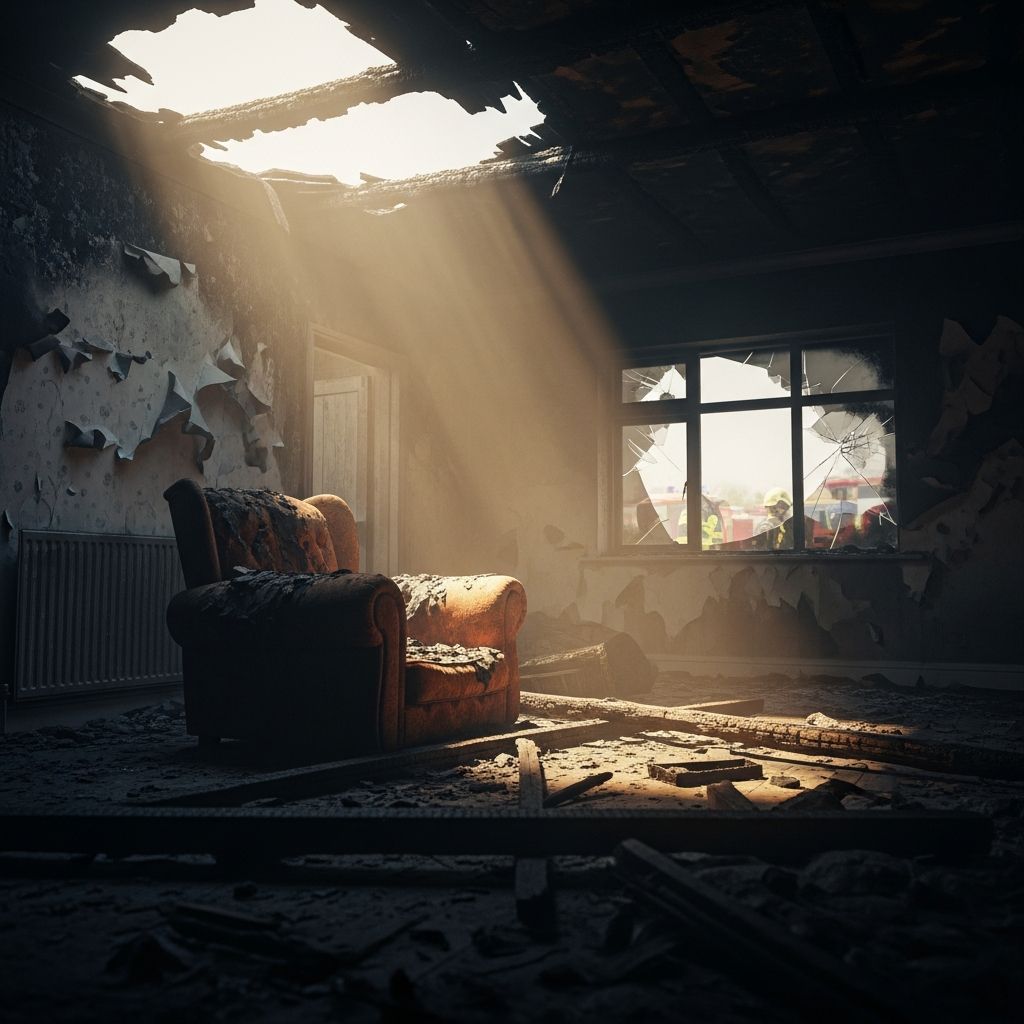
House fires devastate lives, properties, and futures, often leaving survivors grappling with severe injuries, financial ruin, and emotional trauma. When negligence contributes to such tragedies, affected individuals or families may pursue legal action to obtain compensation. This comprehensive guide outlines the pathways to justice, from identifying responsible parties to navigating complex claims processes, ensuring victims receive the support they deserve.
Understanding Liability in Residential Fire Incidents
Establishing who bears responsibility is the cornerstone of any successful fire-related lawsuit. Liability typically arises from negligence, where a party’s failure to exercise reasonable care directly causes the fire or exacerbates its impact. Property owners, landlords, manufacturers of faulty appliances, or even utility companies can be held accountable if their oversight leads to ignition sources like electrical malfunctions or blocked escapes.
For instance, in premises liability cases, homeowners or landlords must maintain safe conditions, including functional smoke alarms, clear exit paths, and fire suppression systems. Failure to address known hazards—such as frayed wiring or accumulated flammable materials—can prove negligence, especially if evidence shows they had ample time to remedy the issue.
- Common Negligent Acts: Defective wiring, unmaintained heating systems, ignored fire code violations, or absent smoke detectors.
- Proof Elements: Duty of care owed, breach of that duty, causation linking breach to fire, and resulting damages.
- Strict Liability Scenarios: Involving hazardous materials, where handlers are liable regardless of intent or care level.
Types of Claims Arising from House Fires
Victims can file distinct claims depending on the harm suffered. Personal injury suits address non-fatal damages, while wrongful death actions compensate surviving family members. Property damage claims often accompany these, seeking reimbursement for structural losses and destroyed belongings.
| Claim Type | Eligible Parties | Potential Compensation | California Statute of Limitations |
|---|---|---|---|
| Personal Injury | Injured survivors | Medical bills, lost wages, pain/suffering, property loss | 2 years from injury date |
| Wrongful Death | Spouses, children, parents, estate reps | Financial support loss, emotional damages, funeral costs | 2 years from death date |
| Property Damage | Homeowners/tenants | Repair/rebuild costs, item replacement | 3 years from fire date[10] |
California’s pure comparative negligence rule allows recovery even if the victim shares fault, with awards reduced proportionally.
Gathering Essential Evidence for Your Case
Strong documentation transforms a potential claim into a winnable one. Immediately after a fire, preserve all relevant materials to demonstrate liability and quantify losses.
- Photographs/videos of fire scene, injuries, and property damage.
- Medical records, bills, and expert reports on burns or smoke inhalation effects.
- Fire department/incident reports identifying origin and cause.
- Wage statements, employment verification for lost income.
- Receipts for temporary housing, clothing, and other expenses.
- Expert inspections revealing faulty equipment or code violations.
For fatalities, include coroner reports, funeral invoices, and proof of the deceased’s earning potential. Act swiftly, as evidence can degrade or witnesses forget details.
Navigating the Insurance Claims Process
Most claims begin with the at-fault party’s insurer. Submit a detailed demand package, then negotiate. Insurers may accept liability and pay, lowball settlements, or deny outright—prompting litigation.
- Contact insurer promptly and file formally.
- Provide comprehensive evidence during adjuster inspections.
- Negotiate firmly; reject inadequate offers.
- If stalled, involve an attorney to counter tactics like blame-shifting.
Homeowners’ policies often cover fire damage, but disputes over rebuild scopes or values are common. Low estimates or delays necessitate legal intervention.
When Litigation Becomes Necessary
If insurance falters, file suit in civil court within deadlines. Attorneys manage discovery, motions, hearings, and trial preparation, aiming for settlements (most cases resolve pre-trial) or verdicts.
Violations of Cal/OSHA, fire codes, or utility regs bolster negligence arguments. In wildfire contexts or industrial fires, multiple defendants like utilities or contractors may share liability.
Compensating Survivors: What Damages Are Recoverable?
Courts award economic and non-economic damages to make victims ‘whole.’ Economic cover tangible losses; non-economic address intangible suffering.
- Economic Damages: Past/future medical care, lost earnings, property repairs, living expenses.
- Non-Economic Damages: Physical pain, emotional distress, loss of life enjoyment, consortium (for spouses).
- Wrongful Death Specifics: Inherited support, guidance, affection from the deceased.
Punitive damages may apply in egregious recklessness cases, deterring future misconduct.
Who Can File Wrongful Death Claims?
California statutes prioritize certain relatives with ‘standing.’
- Surviving spouse or domestic partner.
- Children (biological, adopted, step, foster).
- Parents, if no spouse/children.
- Estate personal representatives for others entitled via will.
These parties collectively seek remedies for familial losses beyond mere finances.
Critical Timelines and Exceptions
Statutes of limitations are unforgiving—missing them bars claims.[10]
- Government entities: 6 months notice required.
- Discovery rule: Tolls if negligence hidden (e.g., latent defects).
- Minors/incapacitated: Extensions possible.
Consult counsel immediately post-incident.
The Role of Experienced Legal Counsel
Fire claims involve technical investigations, insurer battles, and courtroom strategy. Skilled attorneys secure higher recoveries, handling burdens so victims focus on healing.
They deploy fire experts, economists, and medical pros to build ironclad cases, maximizing outcomes amid complexities like multi-party fault.
Frequently Asked Questions
Can I sue if the fire was partly my fault?
Yes, under California’s pure comparative negligence, you recover reduced by your fault percentage.
What if my insurance claim is denied?
Appeal internally, then sue for bad faith or pursue the at-fault party directly.
How long does a fire lawsuit take?
1-3 years typically, varying by settlement speed and court backlog.
Do I need a fire expert for my case?
Often yes, to pinpoint causes like faulty wiring or code breaches.
Can businesses be sued for fire deaths?
Absolutely, if negligence like blocked exits or no alarms contributed.
References
- A Guide to Navigating Fire Injury Claims — Ronemus & Vilensky LLP. 2023. https://www.ronvil.com/a-guide-to-navigating-fire-injury-claims/
- What can you sue for after a fire? Lost Homes and Businesses — Reiner Slaughter. 2024-01-15. https://reinerslaughter.com/wrongful-death-and-lost-homes-and-businesses-what-can-you-sue-for-after-a-fire/
- How to Establish Liability in a Fire Accident — LA Legal. 2023. https://la.legal/how-to-establish-liability-in-a-fire-accident/
- Fire Accidents That Include Wrongful Death — KAASS LAW. 2024. https://kaass.com/fire-accidents-that-include-wrongful-death/
- After a Fire or Explosion: Critical Steps for CA Injury Claims — Penney Lawyers. 2025-02-20. https://www.penneylawyers.com/serious-injuries/after-a-fire-or-explosion-critical-steps-for-ca-injury-claims/
- Fire Injury Claims: What You Need Know to Secure Compensation — Morgan & Morgan. 2023. https://www.forthepeople.com/blog/fire-injury-claims-what-you-need-know-secure-compensation/
- Wrongful Death from Fire – Who’s Liable? — Darrell Castle & Associates. 2024-03-10. https://darrellcastle.com/blog/posts/wrongful-death-from-fire-whos-liable/
Similar Articles








Read full bio of Sneha Tete




