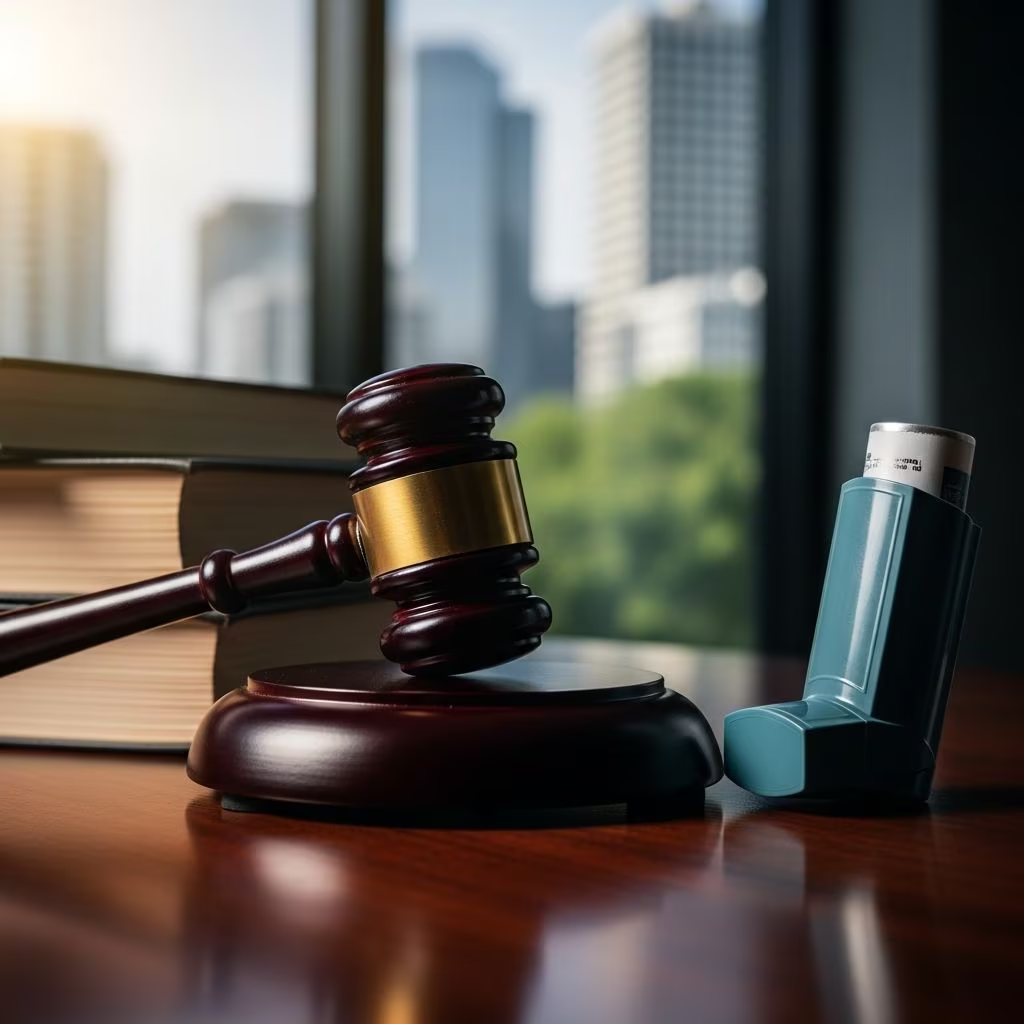
Asthma affects millions worldwide, but when it arises or worsens due to negligence, individuals may have grounds for legal action. This article examines scenarios where asthma injuries warrant lawsuits, focusing on workplace hazards, medical oversights, product defects, and environmental factors. Understanding these pathways empowers affected parties to seek rightful compensation for medical costs, lost income, and suffering.
Understanding Asthma and Its Legal Implications
Asthma is a chronic respiratory condition characterized by inflamed airways, leading to wheezing, shortness of breath, and chest tightness. While often genetic or environmentally influenced, certain triggers like workplace irritants can cause new-onset cases or exacerbate existing ones. Legally, liability arises when third parties fail in their duty of care, resulting in harm.
Proving causation is central: claimants must link their condition to specific exposures or failures. Diagnosis via spirometry tests and occupational history strengthens cases. Compensation typically covers treatment, wages, and pain, with statutes of limitations—often three years from awareness—applying strictly.
Workplace Triggers: Pursuing Occupational Asthma Claims
Occupational asthma develops from inhaling irritants like dust, chemicals, or fumes at work. High-risk professions include manufacturing, construction, mining, and hairdressing, where exposures to isocyanates, wood dust, or dyes prevail.
Employers owe a duty to provide safe environments under regulations like OSHA standards. Breaches such as inadequate ventilation, missing PPE, or ignored risk assessments constitute negligence. For instance, factory workers inhaling solvent vapors without masks may develop sensitization, leading to persistent symptoms even after exposure ends.
To build a claim:
- Obtain a medical diagnosis confirming occupational links.
- Gather employment records, exposure logs, and coworker testimonies.
- Demonstrate employer failures via safety audits or incident reports.
Workers’ compensation often applies first, covering aggravated pre-existing conditions too. If denied, appeals involve medical experts disputing alternative causes like smoking. Successful claims yield settlements for lifelong inhalers, therapy, and career changes.
Medical Negligence: Misdiagnosis and Treatment Failures
Asthma symptoms mimic bronchitis or allergies, risking misdiagnosis. Delayed or erroneous treatment can escalate attacks, causing hypoxia or hospitalization. Liability hinges on whether providers deviated from standards, like ignoring peak flow tests or family history.
In emergencies, failing to administer bronchodilators promptly may constitute malpractice. Claimants need expert affidavits comparing care to peers. Damages include additional health costs and emotional distress from unmanaged flares.
| Common Misdiagnosis Scenarios | Potential Legal Basis | Evidence Required |
|---|---|---|
| Confusing with COPD | Failure to order imaging | Pulmonary function tests |
| Dismissing pediatric symptoms | Ignoring environmental history | Serial monitoring records |
| Inadequate ER response | Delayed nebulization | Timestamped charts |
Defective Products: Holding Manufacturers Accountable
Inhalers and nebulizers are lifelines, but defects like clogged nozzles or contaminated steroids can trigger attacks. Product liability claims target design flaws, manufacturing errors, or warning inadequacies, regardless of user fault.
Recall histories amplify cases; for example, particulate contamination in metered-dose inhalers has led to lawsuits. Plaintiffs must preserve devices, document injuries, and trace batch numbers. Strict liability eases proof, focusing on harm over negligence.
Environmental and Toxic Exposures: Toxic Tort Actions
Pollution from factories or spills can induce asthma, especially in children. Toxic torts target polluters for negligence in emissions or waste. Challenges include latency—symptoms may emerge years later—and multifactor causation.
Class actions pool resources, as in groundwater chromium-6 cases. Evidence combines epidemiology, air modeling, and biomarkers. Recent regulations tighten corporate duties, boosting viable claims.
Navigating the Claims Process Step-by-Step
Initiating involves:
- Consulting specialists for diagnosis and causation reports.
- Notifying liable parties via demand letters.
- Filing within time limits; workers’ comp precedes suits.
- Discovery: depositions and expert battles.
- Settlement or trial, with most resolving pre-court.
Attorneys on contingency minimize upfront costs. Average payouts vary: occupational claims often hit $50,000-$200,000, scaling with severity.
Challenges and Defenses in Asthma Litigation
Defendants cite genetics, smoking, or unrelated allergies. Insurers deploy pulmonologists questioning work links. Counter with serial testing showing improvement post-exposure removal. Latency complicates timelines, but “discovery rules” extend limits.
Contested claims demand resilience; many succeed via appeals or mediation.
Compensation Breakdown: What to Expect
| Damage Type | Description | Typical Range |
|---|---|---|
| Medical Expenses | Inhalers, ER visits, surgery | $10,000-$100,000 |
| Lost Wages | Time off, reduced capacity | $20,000-$150,000 |
| Pain & Suffering | Emotional, lifestyle impact | $50,000+ |
| Future Care | Ongoing therapy | Variable |
Frequently Asked Questions (FAQs)
Can I claim if asthma worsened a pre-existing condition?
Yes, compensation covers aggravation under workers’ comp laws.
What if symptoms appeared after leaving the job?
Claims remain viable if linked to prior exposures; time limits start from diagnosis.
Do I need to prove employer intent?
No, negligence suffices—unintentional failures qualify.
Is smoking a bar to claims?
Not automatically; causation must outweigh it.
How long do claims take?
6-24 months, faster via settlement.
Protecting Your Rights: Next Steps
Document symptoms, seek specialists, and contact attorneys promptly. Free consultations assess viability without commitment. Knowledge of these options turns hardship into justice.
References
- Occupational Asthma Claims | Work Related Asthma Compensation — Thompsons Solicitors. 2023. https://www.thompsons.law/support/legal-guides/occupational-asthma-claims
- When to Sue for Asthma Injuries? — HSPRD Chicagoland Injury Lawyers. 2023. https://www.chicagolandinjurylawyers.com/post/when-to-sue-for-asthma-injuries
- Legal Help for Occupational Asthma Claims — McCready Law. 2024. https://mccreadylaw.com/blog/legal-help-for-occupational-asthma-claims/
- Work-related asthma: A case-based guide — National Center for Biotechnology Information (PMC). 2009-12-01. https://pmc.ncbi.nlm.nih.gov/articles/PMC2807795/
- Asthma | Boston Workers’ Compensation Lawyer — Pulgini & Norton. 2024. https://www.pulgininorton.com/asthma.html
- What Is A Chemical Exposure Lawsuit? | 2026 Toxic Tort Guide — TorHoerman Law. 2026. https://www.torhoermanlaw.com/legal-guides/chemical-exposure-lawsuit/