
Legal Name Changes and Citizenship: What You Must Know
Navigate name changes during naturalization: processes, requirements, and documentation.
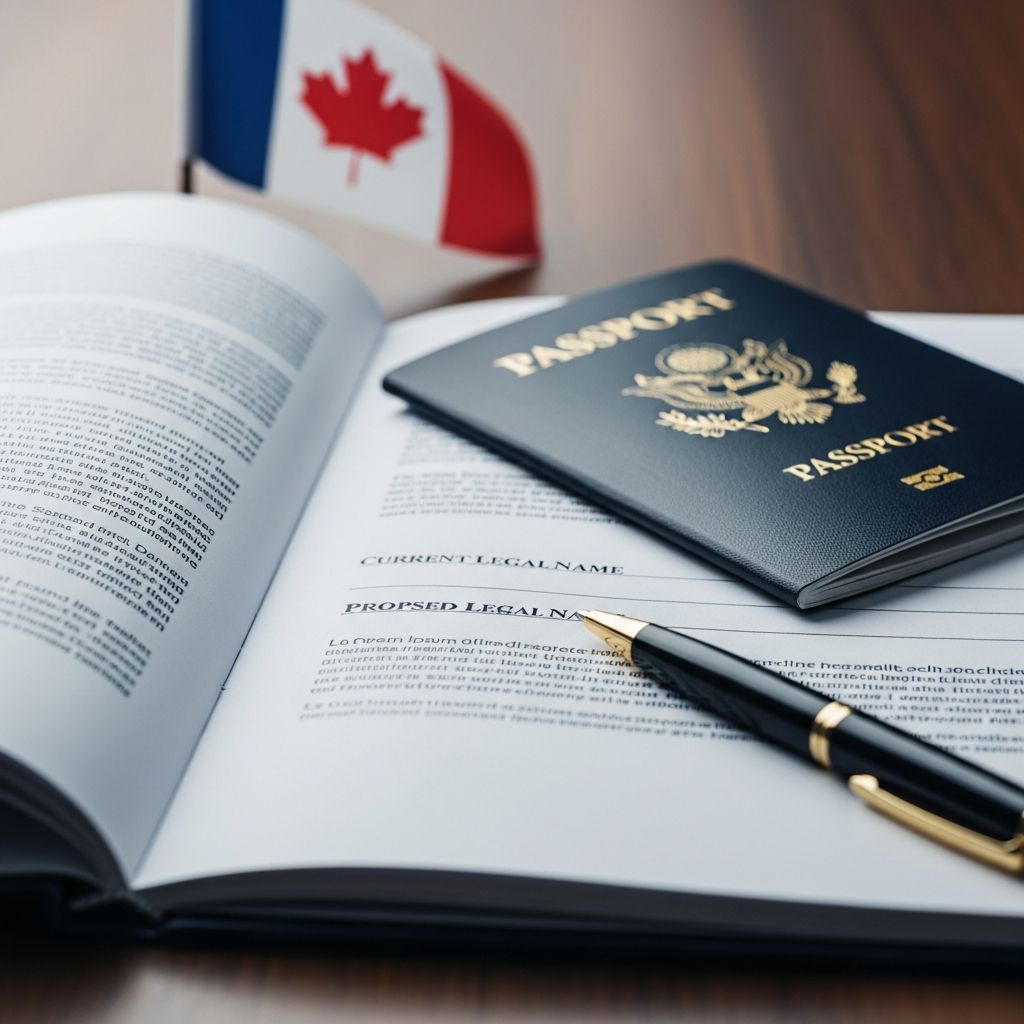
Understanding the Connection Between Legal Names and Citizenship Status
When individuals pursue U.S. citizenship through naturalization, numerous procedural requirements must be satisfied. Among these requirements, ensuring that legal names are accurately documented and properly recorded represents a critical yet frequently overlooked aspect of the application process. The relationship between a person’s legal name and their citizenship status extends beyond simple paperwork—it directly impacts the validity of citizenship documents, the recognition of identity across government systems, and an applicant’s ability to obtain future identification documents such as passports and driver’s licenses.
Name discrepancies can arise for multiple reasons throughout an immigrant’s journey toward citizenship. These discrepancies might stem from misspellings on immigration documents, transliteration variations when names are converted from non-Latin alphabets, informal name usage that differs from official documentation, or intentional legal modifications. Understanding how these discrepancies are classified and resolved is essential for anyone navigating the naturalization process.
Categories of Name Discrepancies in Citizenship Documentation
Government agencies recognize that not all name variations carry equal significance. The classification system distinguishes between different types of discrepancies to determine how they must be addressed during the citizenship application process.
Immaterial Discrepancies represent minor variations that do not substantially alter or misrepresent an applicant’s identity. These typically include common spelling variations, the addition or omission of middle names, or the use of nicknames alongside formal names. When applicants present evidence that these variations reflect their actual name usage or result from clerical errors in previous documentation, they can generally be resolved with explanation during the application review. Immigration officials recognize that such minor variations are commonplace and do not typically indicate fraudulent activity or identity confusion.
Material Discrepancies, by contrast, represent significant differences between names as recorded in various documents. A material discrepancy encompasses any name change that is not classified as immaterial according to regulatory standards. These discrepancies require thorough investigation and documented explanation from applicants. Material discrepancies may include substantial spelling differences, completely different names appearing on various documents, or name changes that lack supporting legal documentation. Such discrepancies raise red flags because they could indicate fraud, identity issues, or problems with document authenticity.
A critical consideration is that unexplained name discrepancies or misspellings that lack supporting documentation from applicants may be classified as potential fraud indicators. Immigration officials take this matter seriously because accurate identity verification forms the foundation of the entire citizenship process.
The Naturalization Ceremony and Name Change Authority
One of the most significant opportunities for legal name changes occurs during the naturalization process itself. The structure of the naturalization ceremony creates a unique judicial context where name modifications can be accomplished as part of becoming a U.S. citizen.
A legal name change through naturalization can only be effectuated when the oath of allegiance ceremony is conducted in a court setting by a judicial officer. This requirement is crucial because USCIS (United States Citizenship and Immigration Services) does not possess independent authority to legally change names. The agency can record a different name on citizenship certificates, but this administrative action does not constitute a legal name change unless a court order accompanies it. When a naturalization ceremony occurs in an administrative rather than judicial setting, applicants cannot obtain a legal name change through the process, even though they will receive their Certificate of Naturalization.
This distinction has important practical implications. Administrative ceremonies, which are less formal and more efficient, have become increasingly common. However, applicants seeking legal name changes must specifically ensure their ceremony will be judicial. Some applicants have reported that USCIS reduced the availability of court-based naturalization ceremonies in recent years, making it more challenging to accomplish name changes during the naturalization process.
Documentation Required for Name Changes
Supporting documentation forms the backbone of any name change request within the citizenship application framework. The types of evidence that satisfy regulatory requirements depend on whether the name change preceded the naturalization application or occurs as part of the naturalization process itself.
When applicants have already legally changed their names before applying for citizenship, they must present evidence of those prior changes. Acceptable documentation includes:
- Court orders formally authorizing the name change
- Marriage certificates documenting name changes through marriage
- Divorce decrees showing name changes following marital dissolution
- Adoption papers reflecting name changes due to adoption proceedings
- Other judicial orders modifying legal names
When requesting a name change as part of the naturalization application, applicants must initiate the process by indicating their intent on Form N-400 (Application for Naturalization) or during their USCIS interview. If an applicant did not request a name change on the initial application form, they retain the option to request one during the interview itself. At that point, a USCIS officer will have the applicant execute a name change petition, which the officer subsequently files with the appropriate court before the judicial oath ceremony.
Processing Name Changes During Citizenship Applications
The procedural pathway for accomplishing name changes varies depending on the specific circumstances and the timing of the request.
Name Changes Through the Naturalization Process
Applicants pursuing name changes as part of naturalization follow a structured sequence. First, the applicant requests the name change either on Form N-400 or during the USCIS interview. The USCIS officer then prepares a name change petition for the applicant’s signature. This petition is filed with the court having jurisdiction over the naturalization case before the scheduled oath ceremony. Upon receipt of the petition, the court reviews the request and issues an order authorizing the name change. This sealed and signed petition is presented to the applicant during the naturalization oath ceremony as evidence of the legal modification. Importantly, all name change requests processed through USCIS require that the oath ceremony be conducted in a judicial setting rather than an administrative one.
Name Corrections on Citizenship Certificates
Applicants seeking to correct spelling errors on citizenship certificates face different procedural requirements depending on whether they already hold citizenship. For those applying for a Certificate of Citizenship through Form N-600, correction requests should be submitted in a cover letter accompanying the application, with the current name (even if misspelled) used on the form itself. Applicants can supplement such requests with affidavits from parents or guardians explaining the spelling error, along with other documentary evidence supporting the correction request.
Name Corrections on Permanent Resident Cards
Before pursuing citizenship, applicants with spelling errors on their permanent resident cards (green cards) can request corrections by filing Form I-90 (Application to Replace Permanent Resident Card). While this correction typically involves a filing fee, applicants may be able to avoid the fee if they correct the name during the naturalization process itself.
Recording Names in Government Systems
Proper recording of legal names in government databases ensures consistency across all immigration and citizenship documents. When an applicant has only one name or presents a court order changing their name to a single word, that name must be recorded in the last name field on the application and in relevant government databases such as TDIS (Consular Touchstone Database Information System) and ACS (Administrative Consular System).
The importance of accurate recording extends beyond immediate citizenship documentation. These records form the foundation for future government interactions, including passport applications, visa processing, and verification of citizenship status. Discrepancies in these records can create complications that extend far into the future, potentially affecting employment eligibility verification, security clearances, and international travel.
Special Considerations for Specific Circumstances
Names Changed Through Marriage or Divorce
Individuals who have changed their names through marriage or divorce before applying for citizenship should present their marriage certificates or divorce decrees as evidence of these changes. These documents provide clear legal authority for the name modifications and generally do not raise concerns during the citizenship review process when properly documented.
Family Name Corrections
When multiple family members share a surname and one member has obtained a name correction, other family members can reference that prior correction as supporting evidence for their own correction requests. This approach recognizes that spelling errors often affect multiple family members and demonstrates consistency across family documentation.
Names in Non-Latin Alphabets
Applicants with names in non-Latin alphabets (such as Arabic, Chinese, Cyrillic, or Hebrew scripts) may experience transliteration variations when their names are converted to English characters. These variations can create apparent discrepancies across documents. When applicants explain the transliteration methodology and provide evidence that all variations represent the same original name, such discrepancies are typically classified as immaterial and resolved through explanation.
Common Challenges and How to Address Them
Several recurring issues complicate the name change and correction process for citizenship applicants:
- Timing Delays: When USCIS files a name change petition with the court, the processing timeline depends on the judicial calendar. USCIS has limited control over court scheduling, which can result in delays before the oath ceremony occurs.
- Certification Requirements: Some jurisdictions or agencies require certified copies of court orders or name change petitions. Applicants should obtain certified documents when initiating name changes to prevent processing delays.
- Document Authenticity: Applicants must ensure that all documents supporting name changes are originals or certified copies. Photocopies or uncertified documents may not satisfy regulatory requirements.
- Jurisdiction Variations: State-level variations in name change procedures can affect how USCIS processes requests. Applicants should familiarize themselves with their specific state’s requirements.
- Ceremony Type Confirmation: Before scheduling an oath ceremony, applicants should confirm with USCIS that the ceremony will be judicial rather than administrative if a name change is desired.
Why This Matters for Your Citizenship Journey
The relationship between legal names and citizenship extends beyond bureaucratic minutiae. Accurate legal names on citizenship documents facilitate multiple life activities: opening bank accounts, obtaining employment, securing housing, purchasing property, traveling internationally, and accessing government benefits. A citizenship certificate bearing an incorrect name can create ongoing complications and require remedial legal action to correct.
Moreover, the timing of name changes significantly affects the overall naturalization timeline. Applicants who address name discrepancies or pursue name changes early in the process allow sufficient time for documentation review and court proceedings to conclude before the scheduled oath ceremony.
Frequently Asked Questions
Q: Can I change my name during the naturalization process without going to court?
A: No. Legal name changes during naturalization require a judicial ceremony conducted by a judge or court officer. Administrative ceremonies do not provide the authority to legally change names. However, you can change your name in civil court separately if the naturalization ceremony cannot accommodate a name change.
Q: What is the difference between correcting a spelling error and changing my legal name?
A: Spelling corrections address errors in how an existing name is recorded, such as fixing a misspelled surname. Legal name changes involve adopting a completely different name. Spelling corrections typically require supporting evidence of the error, while name changes require a formal court petition.
Q: If I change my name during naturalization, does that appear on my Certificate of Naturalization?
A: Yes. When a name change is granted during a judicial naturalization ceremony, your Certificate of Naturalization will reflect your new legal name. You will also receive a copy of the court petition authorizing the change as proof of the legal modification.
Q: Can I correct my name on my green card before applying for citizenship?
A: Yes. You can file Form I-90 to correct your name on your permanent resident card. However, this involves a filing fee. Alternatively, you can address name corrections as part of the naturalization process, which may be more economical.
Q: What happens if I have unexplained name discrepancies on my application?
A: Unexplained name discrepancies or misspellings lacking supporting documentation may be classified as fraud indicators. USCIS may deny your application or request additional evidence to explain the discrepancies. Always provide thorough documentation supporting any variations in how your name appears across documents.
Q: Can my family members use my name correction as evidence for their own corrections?
A: Yes. If you and family members share a surname and you have obtained a correction, they can reference your prior correction as supporting evidence for their requests, particularly when the shared surname was misspelled on all family documents.
References
- 8 FAM 403.1 Name Usage and Name Changes — U.S. Department of State, Foreign Affairs Manual. 2026-01-12. https://fam.state.gov/fam/08fam/08fam040301.html
- Name Corrections & Legal Name Changes in the Naturalization Process — Justia Immigration Law. 2025. https://www.justia.com/immigration/naturalization-citizenship/name-corrections-and-changes-in-the-citizenship-process/
- How to Correct Your Name When Obtaining U.S. Citizenship — Nolo Legal Encyclopedia. 2025. https://www.nolo.com/legal-encyclopedia/correcting-your-name-when-obtaining-us-citizenship.html
- Name Changes in Texas: Naturalization — State Law Library of Texas Research Guides. 2025. https://guides.sll.texas.gov/name-changes/naturalization
- Change Your Name When You Become a U.S. Citizen — California Courts Self-Help Center. 2025. https://selfhelp.courts.ca.gov/name-change/citizenship
Similar Articles








Read full bio of Sneha Tete




