
Lemonade Stand Laws: A Parent’s 2025 Guide To Permits, Safety
Uncover the surprising regulations, permits, taxes, and zoning rules that could shut down your child's innocent lemonade venture and how to navigate them safely.
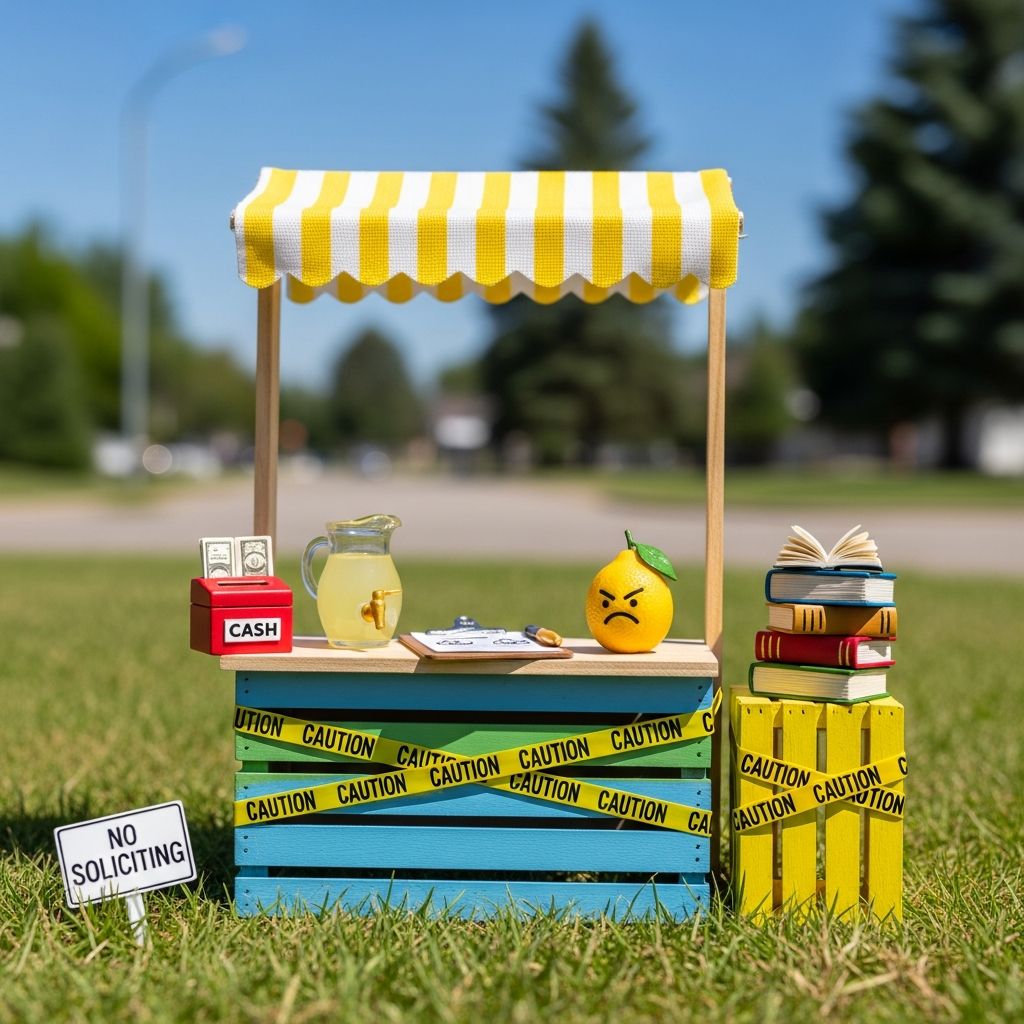
Children’s lemonade stands embody the spirit of youthful enterprise, teaching valuable lessons in business, responsibility, and customer service. Yet, what begins as a simple neighborhood activity can quickly encounter a maze of legal obstacles. Local governments impose rules designed for public safety and fair competition, but these often apply rigidly to even the smallest operations run by minors. This article delves into the key regulatory challenges parents and kids face, drawing from real-world examples and state-specific reforms to guide families toward compliant, enjoyable ventures.
Navigating Permit Requirements for Young Vendors
One of the foremost barriers to launching a lemonade stand is securing the appropriate permits. In many U.S. jurisdictions, selling food or beverages—even homemade lemonade—classifies as a food vending business requiring official approval from health departments or local authorities. Without this, stands risk shutdowns, fines, or worse.
For instance, cities like Denver enforce strict food vending ordinances. Operating without a permit within proximity to public events can lead to interventions by law enforcement, as seen when police dispersed a family’s stand near an arts festival due to vendor complaints about price undercutting rather than sanitation issues. Penalties can escalate to nearly $1,000 fines or up to 300 days in jail per violation, though arrests are rare for minor setups.
However, progress is evident. Utah’s Senate Bill 81, enacted with bipartisan support, prohibits cities and counties from mandating licenses for occasional businesses run by minors, including lemonade stands. This law extends exemptions previously limited to Salt Lake County statewide, shielding young entrepreneurs from bureaucratic hurdles and excessive fees.
- Steps to Check Permit Needs: Contact your local health department or city hall via their website or phone.
- Common Requirements: Vendor permits, temporary food handler cards, or business licenses, often costing $20–$100.
- Exceptions: States like California, Nevada, Texas, and others waive permits for kids’ stands, but always verify locally.
Parents should research ahead: a quick call can prevent disruptions and model responsible citizenship for children.
Health and Safety Standards in Focus
Beyond permits, health codes ensure consumables are safe from contamination. Lemonade, involving water, citrus, and sugar, falls under food preparation scrutiny. Regulators worry about improper handling leading to illnesses, mandating practices like handwashing stations, gloves, and sanitized equipment.
Local ordinances might require stands to use potable water, store ingredients at safe temperatures, and display preparation areas openly. Non-compliance invites inspections or closures. In practice, enforcement varies; rural areas may overlook small stands, while urban zones prioritize vigilance.
| Health Requirement | Purpose | Typical Compliance Tip |
|---|---|---|
| Clean Water Source | Prevent bacterial growth | Use bottled or tested tap water |
| Handwashing Setup | Avoid cross-contamination | Portable sink with soap and towels |
| Temperature Control | Safe storage | Keep lemons refrigerated if needed |
| Waste Disposal | Sanitation | Trash bins and spill cleanup |
Adhering to these elevates a stand from casual to professional, building trust with customers and authorities.
Tax Implications for Tiny Enterprises
Even modest earnings trigger tax considerations. Federal law requires reporting income over $400 annually, with states adding layers. Children’s stands aren’t exempt; profits may need inclusion on parental returns or separate filings if substantial.
In Georgia, kids earning under $5,000 avoid returns, but tracking sales is essential. Tools like simple ledgers help document transactions. While rare for one-day stands, multi-event operations could surpass thresholds, incurring penalties for evasion.
Consult IRS guidelines or a tax advisor early. This teaches financial literacy: deducting costs like lemons and cups reduces taxable amounts, turning a fun activity into a practical economics lesson.
Zoning and Location Restrictions Explained
Where a stand operates matters immensely. Zoning laws prohibit setups in high-traffic roadsides, near schools without permission, or competing with permitted events. Sidewalks, front yards, or parks often need approvals to avoid traffic hazards or nuisance claims.
Complaints from neighbors or businesses can prompt swift action, as in Denver where festival vendors lobbied for a stand’s closure. Optimal spots: residential streets with foot traffic, ensuring visibility without obstruction.
- Prohibited Areas: Highways, private property without consent, event vicinities.
- Ideal Locations: Home driveways, community fairs with permissions.
- Best Practice: Notify neighbors in advance to foster goodwill.
Liability and Insurance Considerations
Accidents happen: spills causing slips, allergic reactions, or choking hazards from ice. Without safeguards, parents face lawsuits. Homeowners’ insurance might cover minor incidents, but commercial activities often require riders or separate policies.
Simple mitigations include waivers for buyers, clear labeling of ingredients (e.g., “Contains citric acid”), and adult supervision. For larger scales, short-term vendor insurance (around $50/day) protects against claims.
Real risks underscore preparation: one allergic customer could lead to medical bills or legal fees, emphasizing proactive risk management.
State-by-State Variations in Regulations
Laws differ widely. Permit-free states include California, Texas, and Utah post-SB 81, prioritizing kid-friendly policies. Others like Colorado demand compliance, with fines for violations.
| State | Permit Required? | Key Notes |
|---|---|---|
| Utah | No (for minors) | SB 81 bans local mandates |
| Colorado | Yes | Up to $999 fine near events |
| California | No | Exceptions for kids’ stands |
| Texas | No | Common exemption |
| New York | Yes | Strict health checks |
Always consult official state agriculture or health sites for updates, as reforms continue.
Empowering Kids Through Compliant Entrepreneurship
Legal navigation doesn’t diminish the educational value. Involve children in research, permitting, and compliance to instill resilience and rule-following. Organizations like Lemonade Day offer curricula blending fun with fundamentals.
Success stories abound: compliant stands raise thousands for charities, proving regulations and enterprise coexist. Frame hurdles as adventures, fostering lifelong skills.
Frequently Asked Questions (FAQs)
Do all kids’ lemonade stands need permits?
No, states like Utah, California, and Texas exempt minors’ occasional stands, but most require checking local health departments.
Can my child face taxes from lemonade sales?
Yes, profits over $400 federally must be reported; states vary, e.g., Georgia threshold at $5,000.
What if police shut down the stand?
Comply politely, then appeal via city officials. Rarely escalates to charges for kids.
How to avoid liability risks?
Supervise, label allergens, consider insurance, and get permissions.
Are there permit-free locations?
Private property with owner okay or designated kid zones; avoid public rights-of-way.
References
- How Your Child’s Lemonade Stand Could Land You in Jail — The Heritage Foundation. 2019-06-05. https://www.heritage.org/government-regulation/commentary/how-your-childs-lemonade-stand-could-land-you-jail
- Utah Legalizes Lemonade Stands and Other Businesses Run by Kids — Institute for Justice. 2023-05-01. https://ij.org/utah-legalizes-lemonade-stands-businesses-run-kids/
- Do You Need a Permit to Sell Lemonade? A Guide to Legal… — Lemonade Day Blog. 2024-07-15. https://lemonadeday.org/blog/do-you-need-a-permit-to-sell-lemonade
Similar Articles








Read full bio of Sneha Tete




