
Legal Considerations for Expectant and New Mothers
Navigate workplace rights, healthcare decisions, and family protections during pregnancy and early parenthood.
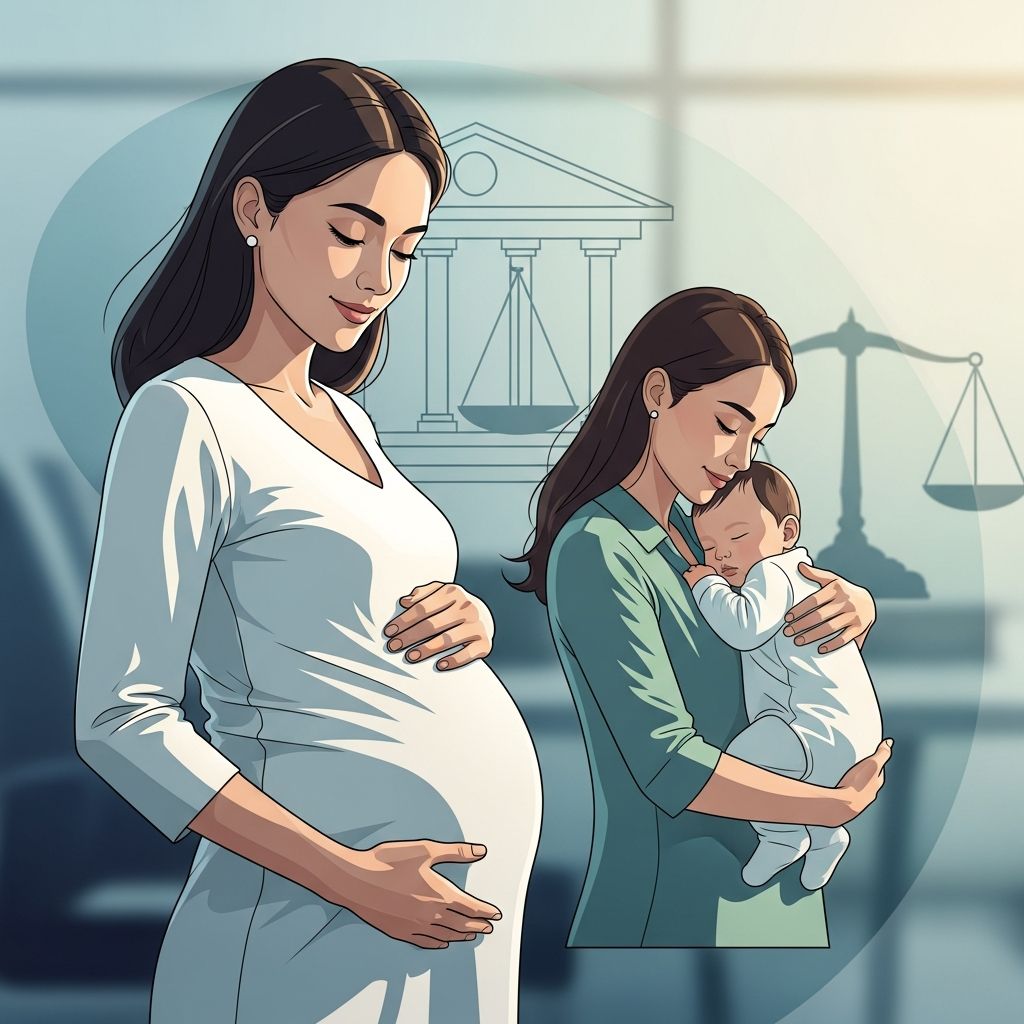
Pregnancy and the transition to motherhood bring profound changes to a woman’s life, extending far beyond the physical and emotional dimensions of the experience. While many expectant mothers focus on preparing nurseries and selecting baby names, the legal landscape surrounding pregnancy and early parenthood deserves equally careful attention. Understanding your rights and obligations during this significant life transition can help you navigate challenges more effectively and protect your interests and those of your child. This guide explores the critical legal issues that pregnant women and new mothers should understand, from workplace protections to healthcare decision-making authority.
Understanding Workplace Discrimination Protections During Pregnancy
One of the most important legal protections available to pregnant workers comes from federal anti-discrimination legislation. The Pregnancy Discrimination Act (PDA), enacted in 1978, serves as a cornerstone of employment protection by prohibiting discrimination based on pregnancy, childbirth, or related medical conditions in all aspects of employment. This comprehensive protection extends to hiring decisions, terminations, promotions, compensation, and benefits allocation. The PDA operates by treating pregnancy-related conditions as a form of sex discrimination, which means that employers must provide equal treatment to pregnant employees as they would to other workers with similar capabilities or limitations.
Importantly, the PDA applies to employers with 15 or more employees. If you work for a smaller organization, state or local employment laws may provide additional protections, and contacting your regional Department of Labor Women’s Bureau office can help identify applicable safeguards. The law explicitly prohibits workplace policies that limit job opportunities or prevent pregnant women from performing their duties simply because of their pregnancy status. Additionally, employers cannot implement policies that have a disparate impact on pregnant employees or those capable of becoming pregnant.
Practical implications of this protection mean that an employer cannot refuse to hire a qualified candidate because she is pregnant, dock her pay due to pregnancy, demote her to a lesser position, or withhold benefits because she is unmarried. Many pregnant workers remain unaware that they possess no obligation to disclose their pregnancy to potential or current employers, and employers cannot legally inquire about pregnancy status or future childbearing plans.
Job Protection and Leave Entitlements for New Parents
Beyond anti-discrimination protections, the Family and Medical Leave Act (FMLA) provides critical job security for eligible employees. The FMLA allows employees working for covered employers—those with 50 or more employees—who have been employed for at least 12 months to take up to 12 weeks of unpaid, job-protected leave within a 12-month period. This leave can be used for childbirth, recovery from childbirth, bonding with a newborn, and caring for a child with serious health conditions.
The crucial aspect of FMLA protection is that employers must hold the employee’s position open or provide an equivalent position upon return from leave. This means your job cannot be reassigned or eliminated during the protected leave period. However, the FMLA provides unpaid leave, so workers must plan financially for this period or negotiate paid leave options with their employers. Some employers offer additional paid family leave beyond FMLA minimums, making it worthwhile to review your specific company’s policies.
Workers should also be aware that state laws sometimes provide more generous protections than federal requirements. Certain states have established their own paid family leave programs or extended job protection periods. Additionally, if you plan to breastfeed, employers are generally required to provide reasonable accommodations, including breaks and private spaces for nursing or expressing milk. The Providing Urgent Maternal Protections for Nursing Mothers Act (PUMP Act) ensures these lactation accommodations remain protected under federal law.
Reasonable Accommodations for Pregnancy-Related Conditions
Beyond basic anti-discrimination protections, employers must provide reasonable accommodations for pregnancy-related medical conditions when requested. Under the Pregnant Workers Fairness Act (PWFA) and state fair employment laws, accommodations might include modified work schedules, adjusted physical duties, temporary reassignment to less demanding positions, or extended breaks. These accommodations ensure that pregnant workers can continue employment safely without jeopardizing their health or their pregnancy.
Pregnancy-related disabilities that typically warrant accommodations include severe morning sickness, gestational diabetes, preeclampsia, doctor-ordered bed rest, and other complications requiring modified work activities. Many states explicitly recognize pregnancy disability leave, which allows time off for prenatal care, postnatal recovery, and pregnancy-related medical conditions beyond what the FMLA provides. Understanding what accommodations your employer must legally provide helps you advocate effectively for your needs during pregnancy.
Healthcare Decision-Making and Advance Directives During Pregnancy
A frequently overlooked legal issue involves the intersection of advance healthcare directives and pregnancy. Advance directives—including healthcare powers of attorney, living wills, and do-not-resuscitate (DNR) orders—may lose effectiveness or face significant limitations when a woman is pregnant in approximately half of all U.S. states. This legal complexity arises from state laws that prioritize fetal interests, potentially overriding a pregnant woman’s previously stated healthcare wishes.
This situation creates profound ethical and legal concerns. A pregnant woman’s advance directive stating she does not wish to be resuscitated might be disregarded if resuscitation could theoretically benefit the fetus. Similarly, a healthcare power of attorney naming a trusted family member to make medical decisions might not be honored if state law restricts decision-making authority during pregnancy. These limitations underscore the importance of explicitly discussing pregnancy-related scenarios with your healthcare provider and legal advisor before becoming pregnant, if possible, and reviewing your advance directives with an attorney who understands your state’s specific laws regarding pregnant patients.
Fetal Rights Laws and Their Legal Implications
An increasingly complex area of family law involves state laws establishing fetal rights, which can significantly affect pregnant women’s legal status and autonomy. Currently, 17 states have established fetal rights by law or court decision, applying these protections to criminal law, civil law, or both. These laws can create unexpected legal complications for pregnant women in various contexts, including substance use treatment, fertility decisions, and pregnancy loss.
Some states have implemented court-ordered commitment laws that authorize state courts to involuntarily commit pregnant people to substance use treatment without their consent, justified as fetal protection measures. These commitments can occur through emergency orders made by mental health facility administrators or through longer-term court orders. Understanding whether your state has such provisions is critical if you struggle with substance use during pregnancy, as the legal landscape differs dramatically across jurisdictions.
Additionally, depending on state law, in vitro fertilization (IVF) procedures may face legal vulnerabilities related to fetal rights legislation and wrongful death statutes. Some states’ laws regarding fetal rights combined with their wrongful death statutes could theoretically expose frozen embryos to legal challenges, affecting reproductive choices. Women considering fertility treatments should consult with fertility attorneys to understand their state’s specific legal environment.
Protection Against Harassment and Intersectional Discrimination
Beyond straightforward pregnancy discrimination, federal law prohibits harassment based on pregnancy and protects against intersectional discrimination—discrimination based on pregnancy combined with other protected characteristics. For example, it is illegal for an employer to fire a Native American woman specifically because she is pregnant, or to terminate employment for a woman aged 40 or older based on her pregnancy status combined with her age. This intersectional protection recognizes that discrimination often operates through multiple, overlapping factors.
Importantly, employees cannot be retaliated against for filing complaints about pregnancy discrimination. If you believe your employer has violated the Pregnancy Discrimination Act or other employment laws, you are legally protected from adverse employment actions as a consequence of filing that complaint. This protection is essential for ensuring employees can exercise their legal rights without fear of further harm.
Legal Protections in Healthcare Settings
In healthcare contexts, pregnant patients receive specific anti-discrimination protections. The Equality Act and healthcare regulations prohibit discrimination against pregnant people on grounds including disability, race, religion, immigration status, and national origin. Healthcare providers and NHS organizations cannot deny care or treat pregnant patients differently based on protected characteristics. These protections ensure that pregnant women receive appropriate medical attention regardless of personal circumstances or background.
Frequently Asked Questions About Pregnancy and Legal Rights
Q: What should I do if I believe my employer is discriminating against me because of my pregnancy?
A: Document all instances of discrimination carefully, including dates, times, witnesses, and specific actions or statements. Report the matter to your company’s human resources department or management if you feel comfortable doing so. You can also file a complaint with the Equal Employment Opportunity Commission (EEOC), which enforces the Pregnancy Discrimination Act. The EEOC can investigate your complaint and pursue remedies on your behalf. You may also consult with an employment attorney who can advise you on your specific situation and represent your interests.
Q: If I work for a small company with fewer than 15 employees, am I still protected from pregnancy discrimination?
A: The federal Pregnancy Discrimination Act applies only to employers with 15 or more employees. However, many states and local jurisdictions have established their own employment discrimination laws that may apply to smaller employers. Contact your regional Department of Labor Women’s Bureau office to determine what protections apply in your specific location.
Q: Can my employer ask me whether I am pregnant or plan to have children?
A: No. Under the Pregnancy Discrimination Act, employers cannot ask applicants or employees about their pregnancy status or future childbearing intentions. Such inquiries are prohibited and violate federal law. You also have no obligation to volunteer this information to your employer.
Q: How long can I take off work after having a baby?
A: Under the Family and Medical Leave Act, if your employer has 50 or more employees and you have worked there for at least 12 months, you can take up to 12 weeks of unpaid, job-protected leave. Some employers offer additional paid leave beyond this minimum. State laws may provide more generous leave periods. Check with your human resources department about your specific company’s policies.
Q: What should I know about my advance healthcare directives if I am pregnant?
A: It is essential to review your advance directives with an attorney who understands your state’s laws regarding pregnant patients. In approximately half of U.S. states, advance directives may be limited or overridden if you are pregnant. Discuss pregnancy-specific scenarios with your healthcare provider and ensure your advance directives explicitly address your wishes regarding pregnancy-related medical situations.
Q: Am I entitled to breastfeeding breaks at work?
A: Yes. Under the Providing Urgent Maternal Protections for Nursing Mothers Act (PUMP Act) and other federal laws, employers are generally required to provide reasonable breaks for employees to express breast milk and access to a private space for nursing or pumping. These accommodations must be provided for a reasonable period after the child’s birth. Specific requirements may vary by state.
Q: Can I be promoted while pregnant?
A: Yes. Employers cannot deny you promotions, raises, or advancement opportunities because you are pregnant or may become pregnant. If you are bypassed for a promotion and believe it is pregnancy-related, this may constitute illegal discrimination. Ensure you have documentation of your qualifications and the employer’s stated reasons for the promotion decision.
References
- Fact Sheet: Protecting Individuals from Pregnancy Discrimination — U.S. Department of Labor, Civil Rights Center. 2025-01-28. https://www.dol.gov/agencies/oasam/centers-offices/civil-rights-center/external/compliance-assistance/fact-sheet-pregnancy-20250128
- 7 Things to Know About Pregnancy Discrimination — American Association of University Women (AAUW). https://www.aauw.org/resources/legal/7-things-pregnancy-discrimination/
- What are a mother’s legal rights during pregnancy and childbirth? — RWK Goodman Legal Services. https://www.rwkgoodman.com/info-hub/tac-10-what-are-a-mothers-legal-rights-during-pregnancy-and-childbirth/
- Know your pregnancy rights — U.S. Department of Health and Human Services, Office on Women’s Health. https://womenshealth.gov/pregnancy/youre-pregnant-now-what/know-your-pregnancy-rights
- Pregnancy in the Workplace: A Mother’s Rights — Bailess Law Firm. 2024-01. https://www.bailesslawfirm.com/blog2/2024/january/pregnancy-in-the-workplace-a-mothers-rights/
- Pregnancy Discrimination – FAQs — U.S. Equal Employment Opportunity Commission (EEOC). https://www.eeoc.gov/youth/pregnancy-discrimination-faqs
- Legal Landscape — Pregnancy Justice. Last updated 2024-09-24. https://www.pregnancyjusticeus.org/legal-landscape/
Similar Articles








Read full bio of medha deb




