
Essential Legal Guide for Company Summer BBQs
Protect your business with key legal strategies for hosting a safe, compliant summer BBQ event that builds team spirit without risks.
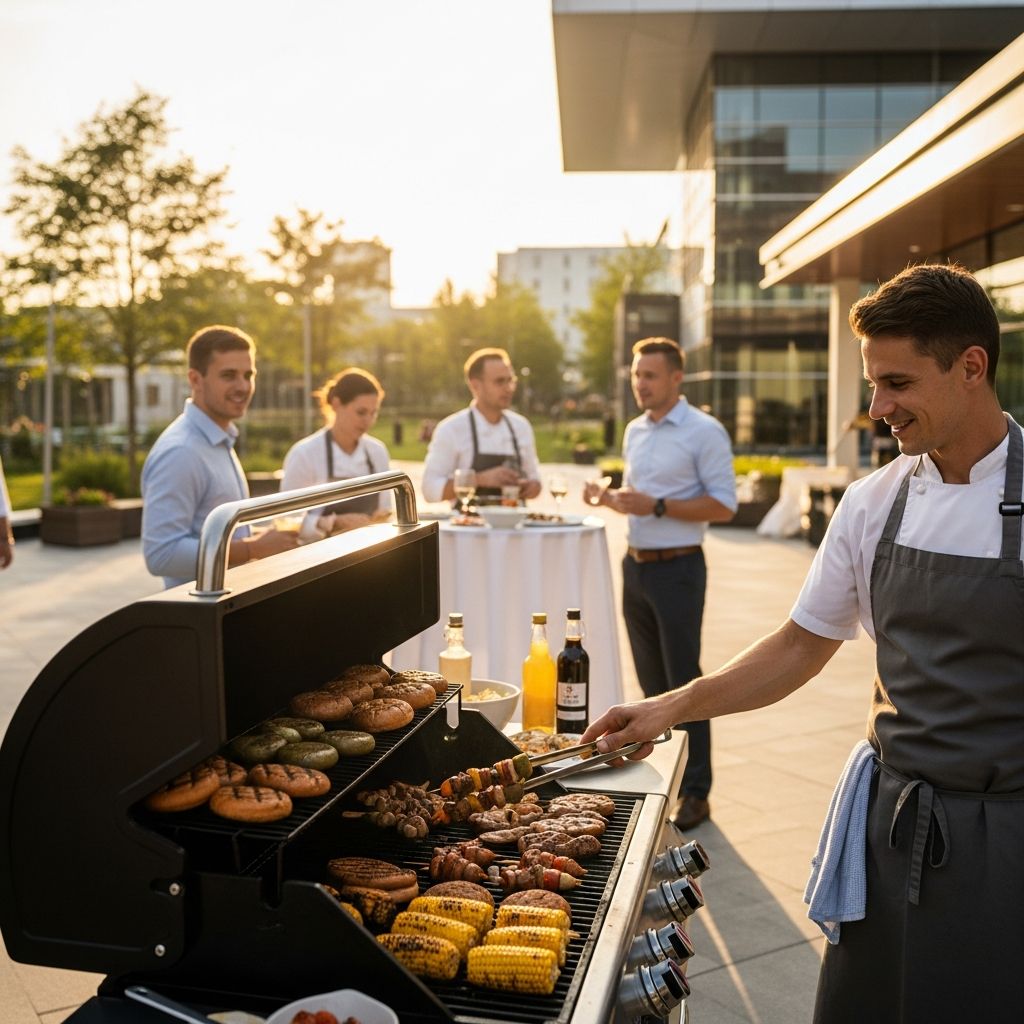
Hosting a company summer BBQ fosters team bonding and morale, but overlooking legal aspects can lead to costly issues. This guide outlines critical strategies to safeguard your business while creating memorable experiences.
Understanding Liability Exposures in Outdoor Corporate Gatherings
Corporate events like summer BBQs expose businesses to various liability risks, including injuries from slips, grill accidents, or altercations. Employers may face claims under premises liability if the venue is unsafe or under vicarious liability for employee actions during work-related social functions.
Key risks include:
- Physical injuries: Trips on uneven ground, burns from grills, or allergic reactions to food.
- Alcohol-related incidents: Drunk driving or fights amplified by open bars.
- Weather hazards: Heat exhaustion or storms without proper shelters.
To mitigate, conduct a pre-event site inspection and document hazards. Implement a clear incident response plan, including first-aid kits and emergency contacts.
Implementing Robust Insurance and Waiver Protocols
Verify that general liability insurance covers off-site events; many policies exclude social gatherings. Consider event-specific riders for BBQs, covering up to $1 million in claims for injuries or property damage.
Require attendees to sign liability waivers acknowledging risks and releasing the company from negligence claims (unless gross negligence). Distribute digitally via email RSVP links for easy tracking.
| Insurance Type | Coverage Scope | Recommended Limits |
|---|---|---|
| General Liability | Bodily injury, property damage | $1M per occurrence |
| Event Rider | Alcohol liability, vendor acts | $2M aggregate |
| Workers’ Comp Extension | Employee injuries at voluntary events | State minimum |
Consult your broker 60 days in advance to avoid gaps. For rented venues, confirm their insurance names your company as additionally insured.
Navigating Alcohol Service Regulations and Responsibilities
Serving alcohol at company BBQs triggers dram shop laws in many states, holding hosts liable for overserving guests who cause harm. Federal OSHA guidelines also apply if the event is deemed work-related.
Best practices include:
- Hiring licensed third-party bartenders trained in responsible service (e.g., TABC-certified in Texas).
- Limiting drinks to beer/wine, avoiding hard liquor; use wristbands for 2-drink maximum.
- Offering ample non-alcoholic options and food to slow absorption.
Designate sober drivers or subsidize rideshares; post signs reminding guests of transportation options. Never allow BYOB to prevent underage access or overconsumption tracking issues.
Securing Permits, Licenses, and Vendor Compliance
Public parks or amplified music often require temporary event permits; private properties may need fire department approval for open flames. Check local ordinances 90 days ahead via city hall portals.
Vendor contracts must specify insurance, indemnification, and compliance with health codes. For food, ensure caterers hold ServSafe certifications and temporary food permits from health departments.
Permit Checklist:
- Event permit (if >50 attendees)
- Alcohol license (if serving)
- Fire permit for grills
- Noise ordinance waiver
- Health inspection for food prep
Non-compliance fines can exceed $5,000; maintain copies on-site for inspectors.
Protecting Employee Rights and Inclusivity Standards
Even voluntary events can trigger ADA accommodations for disabilities, religious dietary needs, or family statuses. Title VII prohibits harassment; monitor for alcohol-fueled inappropriate behavior.
Encourage but don’t mandate attendance to avoid coercion claims. Provide vegetarian, vegan, gluten-free, and halal options; survey staff anonymously for allergies/preferences.
HR policies should address:
- Anti-harassment reminders in invites.
- Accommodations for remote workers or caregivers.
- Post-event feedback surveys for improvements.
Food Safety and Health Code Adherence Essentials
USDA guidelines mandate cooking meats to safe temperatures: poultry 165°F, ground beef 160°F, steaks 145°F with rest. Prevent cross-contamination with color-coded boards and frequent handwashing stations.
Cool perishables in shaded ice baths; discard after 2 hours in >90°F heat. Train volunteers or hire certified staff; post temperature logs visibly.
Weather Preparedness and Emergency Planning
Monitor forecasts; secure tents rated for 30mph winds and rain. Have indoor backups and hydration stations for heat indexes over 90°F per NIOSH standards.
Assemble an emergency team with CPR/FAE certified members. Share protocols via app notifications for real-time updates.
Documenting Policies and Post-Event Reviews
Draft a BBQ policy covering expectations, prohibitions (e.g., no personal grills), and consequences. Email confirmations create a paper trail for disputes.
Afterward, review incidents, feedback, and costs to refine future events. This builds a defensible record against claims.
Frequently Asked Questions (FAQs)
Do company BBQs count as work events for liability?
Yes, if during work hours or encouraged by management; consult employment counsel for specifics.
Can we require sobriety tests?
No, unless post-accident reasonable suspicion; focus on prevention instead.
What if an employee gets injured?
Workers’ comp may apply if deemed work-related; waivers don’t cover intentional acts.
Are BYOB policies legal?
Risky due to control loss; prohibit to maintain dram shop defenses.
How far ahead for permits?
60-90 days; varies by jurisdiction—start early.
References
- Your Top 10 Food Safety Tips for Summer Grilling — USDA. 2023-06-28. https://www.usda.gov/about-usda/news/blog/your-top-10-food-safety-tips-summer-grilling
- 5 Tips That Could Make Your Small Business Summer Sizzle — U.S. Small Business Administration (SBA). 2024-06-01. https://www.sba.gov/blog/2024/2024-06/5-tips-could-make-your-small-business-summer-sizzle
- Heat Stress Guide — National Institute for Occupational Safety and Health (NIOSH), CDC. 2022-07-21. https://www.cdc.gov/niosh/topics/heatstress/
Similar Articles








Read full bio of Sneha Tete




