
Legal Ways to Dispose of Unused Prescription Drugs
Discover safe, legal methods to dispose of prescription drugs, protecting families, pets, and the environment from misuse and contamination.
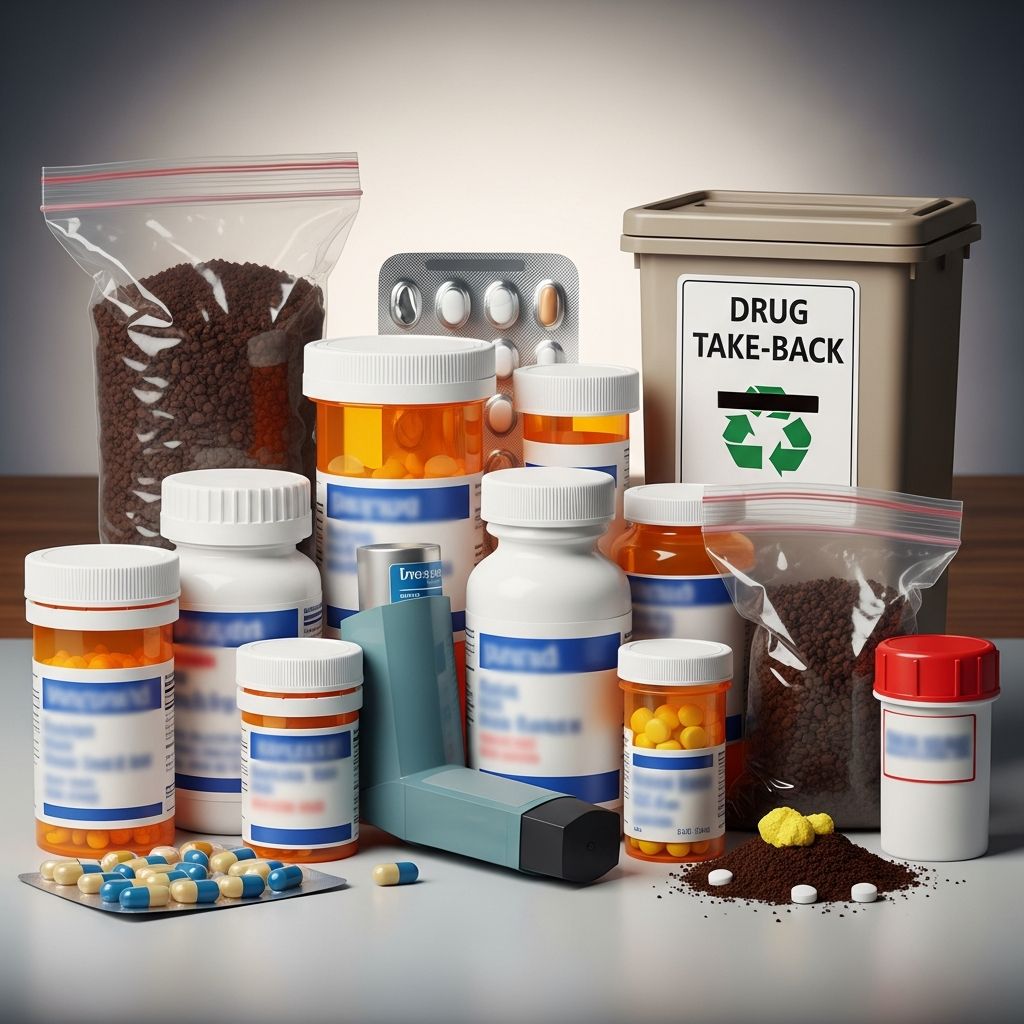
Millions of households across the United States store unused prescription medications, creating risks for accidental ingestion by children or pets, theft for misuse, and environmental pollution if improperly discarded. Proper disposal ensures these drugs do not contribute to the opioid crisis or contaminate waterways. This guide outlines federally approved methods endorsed by agencies like the FDA, DEA, and EPA, prioritizing community programs before home options.
Understanding the Risks of Improper Disposal
Unused prescriptions, especially opioids, stimulants, and sedatives, fuel non-medical use, ranking as a top form of substance abuse. Wastewater treatment facilities struggle to filter pharmaceuticals, allowing residues to enter rivers, groundwater, and drinking supplies, harming aquatic life and potentially human health. Flushing most drugs exacerbates this issue, as plants are not equipped for pharmaceutical removal. Legal disposal channels mitigate these dangers by securely collecting and incinerating medications at regulated facilities.
Preferred Method: Authorized Take-Back Programs
The safest, most recommended approach involves dropping off medications at DEA-authorized collectors. These permanent sites, often at pharmacies or law enforcement stations, accept pills, liquids, and patches securely.
- Search for locations via the DEA’s online tool by entering your zip code to find year-round drop boxes.
- CVS Pharmacy operates kiosks at over 3,900 locations, monitored by pharmacists, excluding needles, inhalers, or illegal substances.
- Walgreens provides similar mailbox-style kiosks for convenient drop-offs without questions asked.
Bi-annual National Prescription Drug Take Back Days, hosted by the DEA each spring and fall, collect tons of medications nationwide, raising awareness about misuse prevention.
Convenient Mail-Back Solutions
For those without nearby drop sites, prepaid mail-back envelopes offer a secure alternative. Available at pharmacies or online, these postage-paid packets allow mailing unused drugs directly to disposal facilities.
- Remove medications from original packaging, protecting privacy by blacking out labels.
- Place pills, capsules, or small volumes of liquids into the envelope—do not include sharps or aerosols.
- Seal and mail via USPS; some retailers provide them free.
This method ensures chain-of-custody tracking and proper incineration, ideal for remote areas.
FDA Flush List: Exceptions for High-Risk Medications
A limited number of potent drugs pose immediate life-threatening risks if ingested, warranting immediate flushing if take-back is unavailable. The FDA maintains an updated Flush List for these, including certain opioids like fentanyl patches and diazepam injections.
- Check your medication’s label, patient leaflet, or the official FDA list before flushing.
- Only flush listed drugs; all others must use take-back or trash methods to avoid environmental harm.
Healthcare providers may give specific instructions overriding general guidelines.
Step-by-Step Guide to Home Trash Disposal
When professional options are inaccessible, household trash disposal renders medications unappealing and secure. Follow these EPA-recommended steps for pills, liquids, creams, and patches not on the Flush List:
| Step | Action | Purpose |
|---|---|---|
| 1 | Take drugs out of original containers. | Prevents identification and easy access. |
| 2 | Mix with unappealing substances like coffee grounds, cat litter, or dirt. | Deterrs children, pets, and scavengers. |
| 3 | Seal in a leak-proof container (e.g., zipper bag, empty can, margarine tub). | Avoids spills during waste handling. |
| 4 | Black out or remove personal info (Rx number, name) on empty bottles with marker or tape. | Protects privacy. |
| 5 | Discard container in household trash; throw packaging separately. | Completes safe disposal. |
Avoid sinks or toilets for non-flush-listed drugs, as residues persist through treatment plants.
Innovative At-Home Products
Products like DisposeRx transform medications into inert gels. Available at select pharmacies, add the packet to a pill bottle with warm water, shake, and discard as trash. These carbon-based solutions deactivate drugs, offering a clean, no-mess option without environmental release.
Special Handling for Certain Items
Not all medications fit standard protocols:
- Sharps and Injectables: Use community sharps collection or household hazardous waste programs; never trash loose needles.
- Liquids and Creams: Mix thoroughly with absorbents before sealing.
- Inhalers and Aerosols: Check local hazardous waste days; do not use drug kiosks.
- Controlled Substances: Prioritize take-back sites for secure handling.
Consult pharmacists for ambiguous cases.
Environmental and Public Health Benefits
Secure disposal reduces drug abuse—prescription misuse rivals cannabis in prevalence—and prevents ecological damage. Studies link pharmaceutical pollution to fish deformities and antibiotic resistance. Community programs incinerate at high temperatures, neutralizing active ingredients completely.
State and Local Variations
While federal guidelines dominate, some states mandate pharmacy take-backs or restrict flushing. Fairfax County, for example, urges trashing over flushing to protect water supplies. Verify local health department rules via 211 services or official sites.
Frequently Asked Questions
Can I donate unused prescriptions?
No, federal law prohibits redistributing prescriptions due to safety, potency loss, and tampering risks. Always dispose properly.
What if my medication isn’t on the FDA Flush List?
Use take-back, mail-back, or trash methods—never flush to safeguard waterways.
Do pharmacies charge for drop-offs?
Most offer free kiosks; mail-back envelopes may have nominal fees, sometimes waived.
How do I find a take-back site?
Use the DEA’s pubdispsearch tool with your zip code for authorized collectors.
Is it safe for liquid medications in trash?
Yes, if absorbed and sealed; avoid glass breakage by using plastic containers.
Pro Tips for Medication Management
- Request exact prescription quantities to minimize leftovers.
- Store drugs securely in locked cabinets.
- Check expiration dates during routine cleanouts.
- Educate family on disposal protocols.
By adopting these practices, individuals contribute to public safety and sustainability. Pharmacists and doctors provide tailored advice; always consult them first.
References
- Where and How to Dispose of Unused Medicines — U.S. Food and Drug Administration. 2023-05-01. https://www.fda.gov/consumers/consumer-updates/where-and-how-dispose-unused-medicines
- Drug Disposal: FDA’s Flush List for Certain Medicines — U.S. Food and Drug Administration. 2024-02-15. https://www.fda.gov/drugs/disposal-unused-medicines-what-you-should-know/drug-disposal-fdas-flush-list-certain-medicines
- What To Do with Unwanted Household Medicines — U.S. Environmental Protection Agency. 2023-11-20. https://www.epa.gov/household-medication-disposal/what-do-unwanted-household-medicines
- A dose of reality: How to dispose of unwanted medication — CVS Health. 2024-01-10. https://www.cvshealth.com/news/community/a-dose-of-reality-how-to-dispose-of-unwanted-medication.html
- Year-Round Drop-Off Locations – Search Utility — U.S. Drug Enforcement Administration. 2026-03-15. https://apps.deadiversion.usdoj.gov/pubdispsearch
Similar Articles








Read full bio of medha deb




