
Legal Risks of Inhalant Abuse: Jail for Glue Sniffing?
Discover if sniffing glue can lead to jail time, health dangers, and varying state laws on inhalant misuse across the U.S.
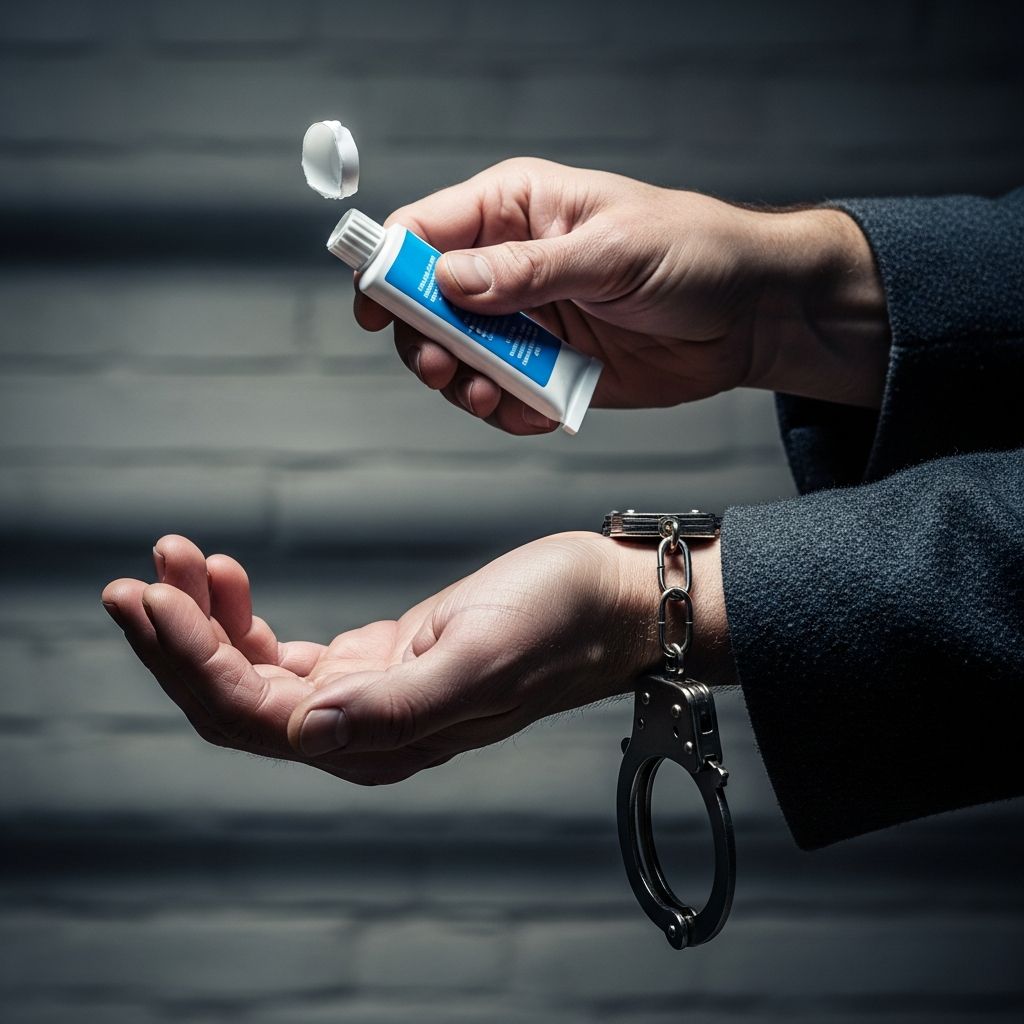
Inhalant abuse, particularly sniffing glue or other household solvents, is not just a health hazard but a criminal offense in numerous jurisdictions. While possession alone often remains legal, intentional use to achieve intoxication can result in arrests, fines, and imprisonment, with penalties escalating if combined with driving or sales to minors.
Understanding Inhalants and Their Misuse
Inhalants encompass a wide array of everyday products like glues, paints, aerosols, and cleaning fluids that release volatile chemicals. When inhaled deliberately, these substances—containing toluene, hexane, or acetone—produce a brief euphoric high by depressing the central nervous system. Users typically breathe in fumes from soaked rags, plastic bags, or directly from containers, seeking effects like dizziness, hallucinations, or disorientation.
This practice, often starting among youth due to accessibility and low cost, quickly escalates risks. Unlike traditional drugs, inhalants require no special equipment beyond household items, making them deceptively easy to obtain. However, the line between casual experimentation and criminal behavior blurs when intent to intoxicate is proven.
Criminalization Across U.S. States
Laws on inhalant abuse vary significantly by state, but a common thread is prohibiting use, possession with intent, or distribution for non-medical purposes. In Michigan, for instance, inhaling chemical agents like glue to induce intoxication violates MCL 752.272, classifying it as a misdemeanor with up to 93 days in jail and a $100 fine. Massillon, Ohio, explicitly bans introducing ‘toxic glue’—defined as mixtures with toluene or similar—into the body for intoxication, with first-degree misdemeanor penalties.
Many states adopt broad definitions of ‘intoxicating substances,’ covering vapors or fumes misused beyond their intended purpose. This catches not just glue but paints, thinners, and correction fluids. Penalties often include community service, probation, or substance abuse programs alongside jail time.
- Key State Variations: Michigan focuses on use and driving; Ohio restricts sales to minors and possession with intent.
- Federal oversight is limited, leaving enforcement to local codes, leading to patchy regulation.
- Some areas impose stricter rules for adolescents, with parental notifications or juvenile detention.
Driving Under the Influence of Inhalants
One of the gravest legal perils arises when inhalant use impairs driving. Michigan law prohibits operating a vehicle under the influence of any intoxicating substance, explicitly including solvent inhalants. A first-offense Operating While Intoxicated (OWI) carries up to 93 days in jail, fines, and a 30-day license suspension. Repeat offenses within seven years amplify to felonies with years in prison.
Prosecutors prove impairment through field sobriety tests, witness accounts, or chemical residue on breath/clothing. Unlike alcohol, no standardized breathalyzer exists for inhalants, relying instead on observed behaviors like slurred speech or loss of coordination.
| Offense Level | Penalty (Michigan Example) | License Impact |
|---|---|---|
| First OWI | Up to 93 days jail, fines | 30-day suspension + restrictions |
| Second (within 7 years) | Enhanced misdemeanor/felony | 1-year revocation |
| Third+ | Felony, min 30 days jail | Permanent revocation possible |
This table illustrates escalating consequences, emphasizing why even private use can spiral into major charges if driving follows.
Health Dangers Far Beyond Legal Troubles
While jail looms as a deterrent, the immediate bodily toll is devastating. Acute effects include nausea, headaches, confusion, and respiratory distress. Chronic exposure erodes brain tissue, causing memory deficits, mood instability, and organ failure in liver, kidneys, and heart.
The most alarming risk is sudden sniffing death syndrome, where inhalants sensitize the heart to adrenaline, triggering fatal arrhythmias even on first use. Respiratory failure or asphyxiation from bag methods compound this lethality. Poison control data confirms numerous fatalities yearly from glue and similar solvents.
- Short-term symptoms: Dizziness, slurred speech, loss of balance, hallucinations.
- Long-term damage: Neurotoxicity, addiction-like withdrawal (anxiety, irritability).
- Fatal outcomes: Cardiac arrest, suffocation—possible after one session.
Adolescents face heightened vulnerability, with developing brains suffering irreversible harm.
Sales, Possession, and Age Restrictions
Possession of glue or solvents isn’t inherently illegal—stores sell them freely for legitimate uses. Criminality hinges on proof of intent to inhale, such as residue on bags or multiple empty containers. However, selling to minors or with knowledge of intended misuse invites charges.
In Ohio, vendors can’t transfer ‘toxic glue’ to those under 21 without parental orders or model kits. Scottish law (influencing U.S. parallels) prosecutes reckless sales. The UK’s 2016 Psychoactive Substances Act bans supply for inhalation, a model some U.S. states emulate, with up to seven years for producers.
Defenses and Legal Strategies
If charged, defenses might argue lack of intent (e.g., glue for crafts), medical necessity, or improper arrest procedures—like Ohio’s requirement for explanation opportunities. Challenging impairment evidence is crucial in DUI cases, as inhalant metabolites fade quickly.
Courts often mandate evaluations or treatment over incarceration for first-timers, especially minors. Consulting a criminal defense attorney early can mitigate outcomes, potentially reducing charges via pleas or diversions.
Prevention and Support Resources
Educating youth on risks, restricting access, and promoting alternatives curb abuse. Parents should monitor household chemicals; schools implement awareness programs. For those struggling, hotlines like Poison Control or SAMHSA offer confidential aid toward recovery.
Communities benefit from stricter retail policies, like ID checks for solvents, mirroring alcohol regulations.
Frequently Asked Questions (FAQs)
Is possessing glue at home illegal?
No, mere possession is legal. Charges arise from proven use for intoxication or sales to minors.
Can I get a DUI from sniffing glue before driving?
Yes, in states like Michigan, operating impaired by inhalants triggers OWI penalties equivalent to alcohol.
What are immediate health effects of glue sniffing?
Effects include euphoria, nausea, confusion, and coordination loss; risks escalate to heart failure.
Is glue sniffing fatal on the first try?
Yes, sudden sniffing death syndrome can kill instantly via cardiac arrhythmia or asphyxiation.
Are there federal laws against inhalants?
No comprehensive federal ban exists; states handle via local codes and DUI statutes.
How do penalties differ for minors?
Juveniles often face treatment over jail, but sales to them carry adult penalties for sellers.
This comprehensive overview underscores that sniffing glue transcends youthful folly—it’s a gateway to felony records, lifelong health scars, and tragedy. Awareness and intervention save lives and futures.
References
- Sniffing Glue, Intoxication, and Driving Under the Influence — ArborYpsi Law. Accessed 2026. https://www.arborypsilaw.com/blog/sniffing-glue-intoxication-and-driving-under-the-influence/
- 513.14 GLUE SNIFFING — American Legal Publishing, Massillon, OH Code. Accessed 2026. https://codelibrary.amlegal.com/codes/massillon/latest/massillon_oh/0-0-0-12778
- Glue Inhalation: Side Effects, Risks & Addiction — Ocean Ridge Outpatient. Accessed 2026. https://oceanridgeoc.com/blog/glue-inhalation-side-effects-risks-addiction/
- Glues, gases and aerosols — Talk to Frank (UK Gov-funded). Accessed 2026. https://talktofrank.com/drug/glues-gases-and-aerosols
Similar Articles








Read full bio of Sneha Tete




