
Navigating Legal Claims After Ski Resort Accidents
Essential guidance for protecting your rights and securing compensation after slope injuries.
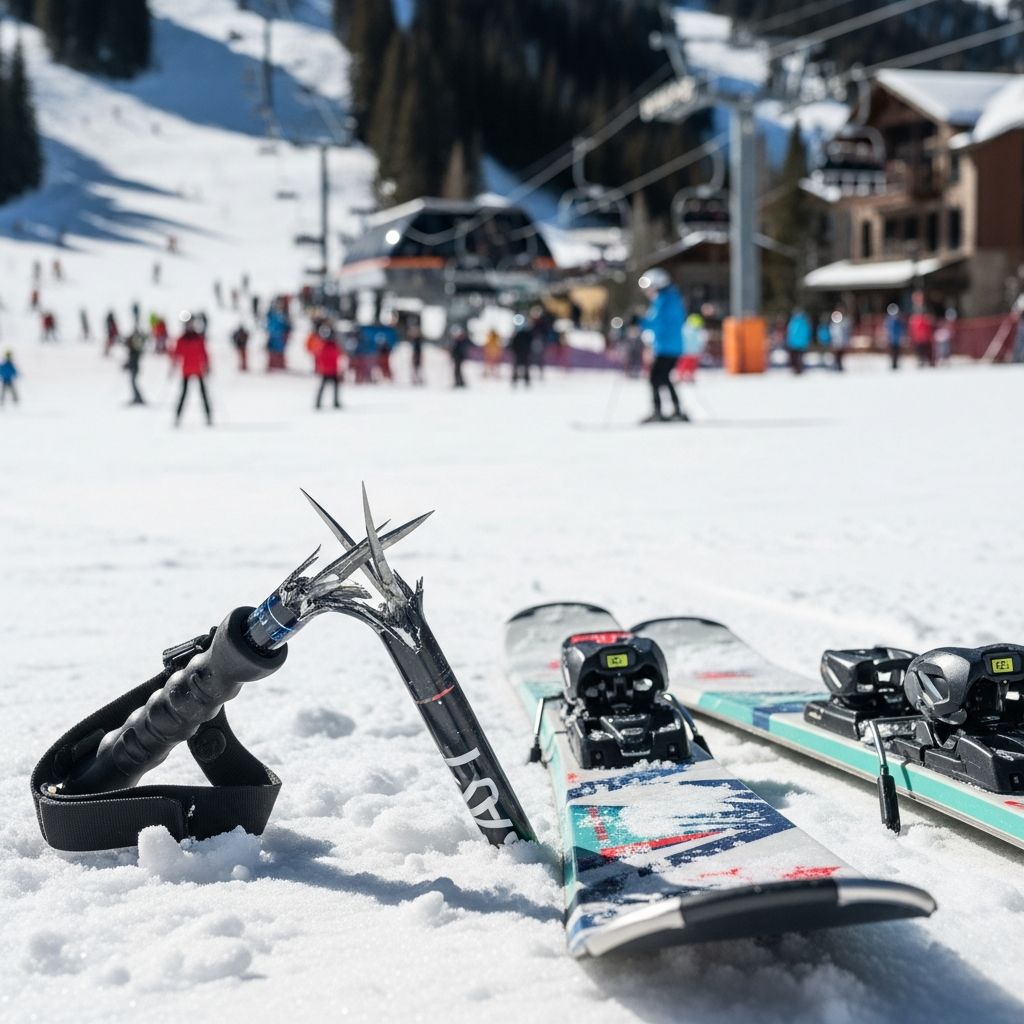
Understanding Your Path to Compensation After a Ski Slope Injury
Winter sports enthusiasts face inherent risks when they hit the slopes, yet not all accidents are unavoidable or the fault of the injured party. When injuries occur at ski resorts, understanding your legal options becomes essential for recovery and compensation. The landscape of ski injury litigation has evolved considerably, with courts and legislatures establishing specific frameworks that both protect skiers and hold resorts accountable for negligence. Whether your injury resulted from faulty equipment, inadequate resort maintenance, or another party’s reckless behavior, knowing how to navigate the legal process can significantly impact your ability to recover damages for medical expenses, lost income, and pain and suffering.
The Foundation of Resort Liability: Premises Responsibility
Ski resorts operate as commercial establishments with a fundamental duty to maintain reasonably safe conditions for their guests. This legal obligation, known as premises liability, requires resorts to inspect slopes regularly, maintain equipment properly, and warn visitors of known hazards. Unlike some recreational activities where operators bear minimal responsibility, ski resorts must take affirmative steps to prevent foreseeable harm.
Examples of premises liability violations include:
- Failure to properly mark hazardous terrain features or obstacles
- Inadequate maintenance of ski lifts, rope tows, or other mechanical equipment
- Missing or illegible warning signs about trail conditions or difficulty levels
- Poor grooming practices that leave dangerous bare spots or ice patches
- Insufficient avalanche mitigation measures in high-risk areas
- Negligent operation of snow-making equipment without proper barriers
When a resort’s failure to maintain safe conditions directly causes your injury, you may pursue compensation from the resort operator. The key requirement is demonstrating that the resort knew or should have known about the dangerous condition and failed to remedy it or warn guests appropriately.
Distinguishing Between Assumed Risk and Negligence
One of the most significant legal concepts affecting ski injury cases is the doctrine of assumption of risk. Courts across multiple jurisdictions have recognized that skiing is an inherently dangerous activity, and by purchasing a lift ticket and using resort facilities, participants implicitly accept certain risks. These accepted risks include collisions with other skiers, encounters with natural terrain variations, exposure to weather conditions, and falls resulting from normal skiing hazards.
However, assumption of risk does not mean resorts can ignore all safety obligations. There is a critical distinction between inherent risks that skiers assume and negligence that creates additional or enhanced dangers. Resort operators remain responsible for:
- Maintaining equipment in proper working condition
- Providing accurate information about trail conditions
- Enforcing reasonable safety protocols at lift stations
- Responding appropriately to avalanche threats
- Maintaining visibility and marking of hazards
Courts have established that to recover against a resort despite assumption of risk, plaintiffs must demonstrate that the resort’s conduct increased the danger beyond what a reasonable skier would anticipate when accepting the sport’s inherent risks.
Collisions and Conduct: When Other Skiers Are Responsible
Collisions between skiers present unique legal challenges because the law recognizes such incidents as inherent to the sport. A skier struck by another participant cannot automatically recover simply because a collision occurred. Instead, plaintiffs must establish that the at-fault skier’s behavior exceeded normal ski conduct and approached recklessness.
Courts typically apply a recklessness standard when evaluating collision claims. This means the injured party must prove the other skier acted with extreme indifference to safety, such as:
- Skiing at excessive speeds inappropriate for trail conditions or crowd density
- Skiing downhill while impaired by alcohol or drugs
- Deliberately skiing in a manner designed to endanger others
- Ignoring clear posted warnings or trail-specific rules
- Skiing on terrain obviously beyond their skill level in a manner that endangered others
Simple negligence or ordinary carelessness, while potentially actionable in other contexts, generally does not establish liability in skiing collision cases. The enhanced threshold recognizes that minor mistakes and occasional poor judgment are foreseeable aspects of the sport, and skiers cannot recover for injuries resulting from typical skiing errors.
Documentation: Building Your Legal Foundation Immediately
The moments and hours immediately following a ski injury are critical for preserving your legal claim. Comprehensive documentation serves multiple purposes: it establishes the severity of injuries, creates an official record of the incident, and preserves evidence that might otherwise be lost.
Medical Records and Professional Assessment
Seeking prompt medical evaluation accomplishes several important objectives. First, it ensures injuries receive appropriate treatment, preventing complications that could worsen your condition. Second, it creates an official medical record documenting the injury’s nature, extent, and causation. Medical professionals will document how the injury occurred, which establishes the connection between the ski accident and your harm. These records become crucial evidence when calculating compensation, as they detail recommended treatments, recovery timelines, and any permanent impacts on your health or functioning.
Incident Reporting Requirements
Most ski resorts maintain formal procedures for reporting accidents that occur on their property. Reporting your incident promptly creates an official record that can serve as valuable evidence in subsequent legal proceedings. This report typically includes details about the accident location, parties involved, witness information, and the resort’s initial assessment of causation. Failing to report the incident promptly can weaken your claim by suggesting the injury was not serious or by allowing the resort to avoid documenting the event.
Evidence Preservation Strategies
Beyond formal reporting, actively preserve physical evidence and witness information:
- Photograph the accident scene, including trail conditions, signage, and any hazardous features
- Document your injuries with photographs and video if possible
- Collect contact information and statements from eyewitnesses
- Request video footage from resort security cameras if available
- Preserve your equipment, particularly if equipment failure contributed to the injury
- Keep all written communications with the resort and insurance companies
- Maintain detailed records of medical treatment, expenses, and recovery progress
Liability Waivers: Understanding Their Enforceability
Nearly all ski resorts require visitors to sign liability waivers before purchasing lift tickets. These legal documents attempt to release the resort from responsibility for injuries sustained during skiing. However, courts do not enforce all waivers, particularly when they conflict with public policy or contain ambiguous language.
To overcome a liability waiver in skiing injury litigation, legal representatives must demonstrate that:
- The waiver language is ambiguous, unclear, or not conspicuously presented
- The waiver attempts to disclaim liability for gross negligence or reckless conduct, which violates public policy
- Significant power imbalances existed when the waiver was signed, rendering it unconscionable
- The waiver contradicts statutory protections established by applicable state law
Courts generally distinguish between ordinary negligence (which waivers may effectively disclaim) and gross negligence or recklessness (which public policy typically protects against). A waiver cannot shield a resort from liability if its conduct demonstrated extreme carelessness or deliberate disregard for skier safety.
Equipment Failures and Product Liability Claims
When defective equipment causes ski injuries, you may pursue claims against manufacturers separately from any resort liability action. Product liability requires demonstrating that equipment was defectively designed or manufactured and that this defect directly caused your injury.
Examples of equipment defects that support product liability claims include:
- Ski bindings that fail to release during falls as designed
- Defective helmets that provide inadequate impact protection
- Faulty ski lift components that malfunction unexpectedly
- Improperly maintained rental equipment that poses hidden dangers
- Snowboard components with known structural weaknesses
Product liability claims typically require expert testimony examining the equipment and establishing the defect. Documentation such as product recalls, safety warnings, or engineering standards helps establish that manufacturers knew about potential hazards.
Comparative Negligence and Your Contribution to the Accident
Many states apply comparative negligence principles in ski injury cases, meaning your own actions may reduce recoverable damages. If investigation determines you contributed to the accident—perhaps by skiing beyond your skill level or failing to heed posted warnings—your compensation may be reduced proportionally. Understanding how your conduct factors into liability calculations is essential when evaluating your claim’s strength and potential value.
Frequently Asked Questions About Ski Injury Claims
Q: Can I pursue legal action if I signed a liability waiver before the accident?
A: Yes, signing a waiver does not necessarily prevent legal action. While waivers may be enforceable for ordinary negligence, courts typically refuse to enforce waivers that shield resorts from liability for gross negligence, recklessness, or violations of statutory duties. An experienced attorney can evaluate whether your state’s laws permit challenging the waiver.
Q: What counts as evidence in a ski accident claim?
A: Valuable evidence includes medical records establishing injury details, witness statements from other skiers or resort employees, photographs of the accident scene and your injuries, video footage from resort cameras, the resort’s incident report, and documentation of all resulting expenses. The more comprehensive your evidence, the stronger your claim.
Q: How quickly must I report my injury to the ski resort?
A: Report your injury immediately or as soon as your medical condition permits. Prompt reporting creates an official record and demonstrates the seriousness of your injury. Delaying reporting can undermine your credibility and weaken your claim.
Q: Are collisions with other skiers always the other skier’s responsibility?
A: Not automatically. Courts recognize collisions as inherent skiing risks. You must prove the other skier acted with recklessness—not merely negligence—by skiing at excessive speeds, while impaired, or in other dangerously reckless ways.
Q: Can I sue both the resort and another skier in the same claim?
A: Yes, multiple parties can be named defendants if each contributed to your injury. You might pursue claims against the resort for negligent maintenance, against another skier for reckless conduct, and against equipment manufacturers for defects—addressing all potential sources of liability.
Q: What damages can I recover in a successful ski injury claim?
A: Recoverable damages typically include medical expenses (current and future), lost wages during recovery, pain and suffering, permanent disability impacts, and sometimes punitive damages in cases involving gross negligence or recklessness. The specific damages depend on your injury’s severity and the applicable state law.
Taking the Next Steps in Your Recovery
If you’ve suffered injuries on ski slopes, protecting your legal rights requires prompt and strategic action. Seek medical attention immediately, report the incident to the resort, and document everything related to your injury and recovery. Consulting with an attorney experienced in ski injury litigation provides essential guidance through complex legal processes and helps ensure you receive fair compensation for your damages.
References
- Understanding Skiing and Snowboarding Injury Claims: Challenges and Legal Considerations — Wie & Law. 2024. https://www.wieandlaw.com/understanding-skiing-and-snowboarding-injury-claims-challenges-and-legal-considerations/
- Understanding Your Legal Rights After a Skiing or Snowboarding Accident — Drake Law Group. 2024. https://www.drakelawgroup.com/post/understanding-your-legal-rights-after-a-skiing-or-snowboarding-accident
- California Ski Law: Expert Legal Support for Ski Injuries — Ski Law (California). 2024. https://skilaw.com/california/
- Injured at a California Ski Resort? Know Your Legal Rights — Dolan Law Firm. February 17, 2025. https://www.dolanlawfirm.com/blog/2025/02/17/injured-at-a-california-ski-220167/
Similar Articles








Read full bio of medha deb




