
Why Lawyers Should Avoid Selfies on Social Media
Discover the hidden dangers of lawyers posting selfies and how to protect your professional image online.
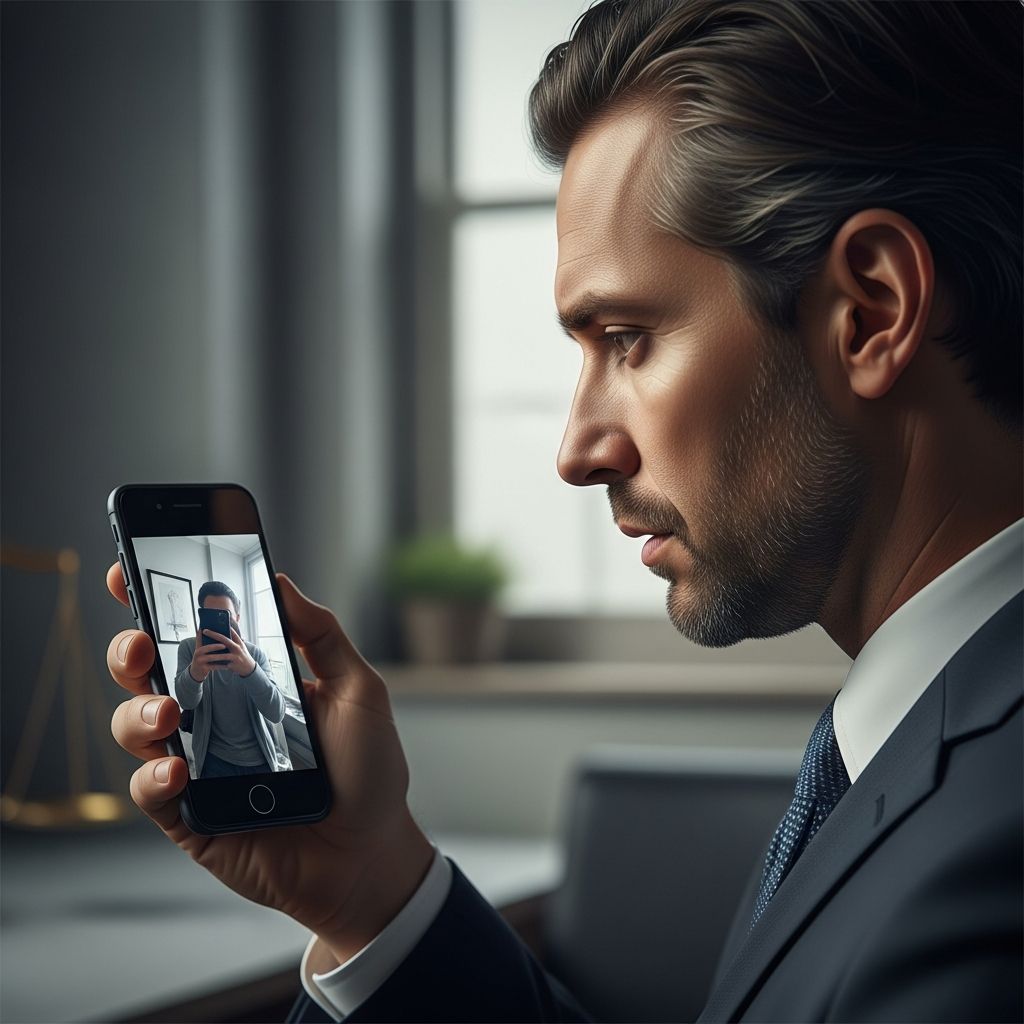
Selfies have become a staple of modern social media, capturing casual moments and personal expressions for millions worldwide. For lawyers, however, this seemingly innocent act carries substantial professional hazards. Posting a selfie can inadvertently undermine credibility, violate ethical rules, and even jeopardize legal cases. This article delves into the multifaceted risks associated with lawyers sharing selfies, drawing from real-world examples and expert insights to highlight why restraint is essential in the digital age.
The Professional Image Dilemma
Maintaining a polished professional image is paramount for attorneys. A selfie, often taken in informal settings with imperfect lighting or casual attire, clashes with the gravitas expected in the legal field. Clients seek lawyers who exude competence and reliability; a beach selfie in swimwear or a nightclub snapshot with drinks in hand projects frivolity rather than focus.
Consider how first impressions form online. Prospective clients frequently research attorneys via social profiles before engagement. A feed dominated by selfies suggests a lack of seriousness, potentially diverting business to more reserved competitors. Professional headshots or firm-branded content, by contrast, reinforce expertise and trustworthiness.
Ethical Boundaries in the Spotlight
Legal ethics codes, such as those from the American Bar Association (ABA), impose strict guidelines on advertising and client communications. Model Rule 7.1 prohibits false or misleading statements about services, while Rule 7.2 regulates endorsements. Selfies risk breaching these by appearing unprofessional or implying availability in inappropriate contexts.
- Unauthorized endorsements: Tagging locations or events in selfies might suggest affiliations without verification.
- Misleading competence: Casual poses can downplay specialized skills needed for complex cases.
- Confidentiality risks: Background elements in selfies could inadvertently reveal sensitive information.
State bars have disciplined attorneys for social media missteps, emphasizing that public posts must align with professional standards at all times.
Case-Sabotaging Revelations
One of the gravest dangers of lawyers’ selfies is their potential to torpedo ongoing litigation. Opposing counsel or judges often monitor public profiles, and a poorly timed selfie can provide ammunition for credibility attacks. For instance, claiming stress from a heavy caseload while posting a vacation selfie contradicts narratives in court filings.
Real cases illustrate this peril. In one notable incident, a Texas attorney sought a court continuance citing a family death, only for the judge to discover partying selfies on her public profile, resulting in sanctions and reputational harm. Such discrepancies erode judicial trust and can lead to adverse rulings or mistrials.
| Risk Scenario | Potential Consequence | Example |
|---|---|---|
| Posting during trial | Jury bias or mistrial | Juror sees lawyer relaxing amid intense proceedings |
| Contradictory lifestyle claims | Sanctions for dishonesty | Selfie belies sworn affidavits on workload |
| Visible case-related items | Confidentiality breach | Documents or notes in background |
Privacy Erosion and Public Scrutiny
Selfies strip away privacy layers, exposing personal lives to unprecedented scrutiny. Lawyers handle sensitive matters, making them targets for adversaries seeking leverage. A geotagged selfie reveals location, potentially compromising safety or strategy in high-stakes cases like family disputes or criminal defense.
Moreover, mutual connections amplify exposure. Courtroom acquaintances friended on platforms can access selfies, sharing them in professional circles. This ‘six degrees of separation’ effect turns a private moment into public fodder, with lasting digital footprints.
Client Trust Under Threat
Clients entrust lawyers with their most vulnerable stories. Selfies that humanize excessively—revealing partying habits, political views, or relationships—can alienate. A conservative client might recoil from a lawyer’s pride parade selfie, questioning impartiality.
Surveys indicate clients prefer attorneys who maintain professional distance online. Sharing client success stories without consent, often paired with selfies, exacerbates this. Even anonymized tales risk identification, violating confidentiality rules and eroding trust.
Reputation in the Viral Age
Social media’s viral nature magnifies selfie misfires. A single ill-advised post can trend, drawing media attention and bar complaints. Lawyers lack control over shares or screenshots, perpetuating damage indefinitely.
High-profile examples abound: Attorneys disciplined for selfies mocking opponents or displaying poor judgment. Recovery demands public apologies and profile purges, diverting energy from practice-building.
Smart Alternatives to Selfies
Abstaining from selfies doesn’t mean abandoning social media. Lawyers can thrive online with strategic, professional content:
- Video testimonials: Client-approved stories showcasing results.
- Educational posts: Infographics on legal topics demonstrating expertise.
- Firm events: Group photos from seminars, emphasizing community involvement.
- Thought leadership: LinkedIn articles on industry trends.
Tools like scheduling software ensure consistency without impulsive shares. Privacy settings, though imperfect, limit visibility to trusted networks.
Navigating Platform-Specific Pitfalls
Instagram and Snapchat emphasize visuals, tempting selfie overuse. Twitter’s brevity encourages opinionated snaps, risking Rule 8.4 violations on misconduct. LinkedIn demands utmost professionalism; any selfie dilutes executive presence.
Platform algorithms favor engagement, but lawyers must prioritize ethics over likes. Curate feeds methodically, auditing regularly for red flags.
Frequently Asked Questions (FAQs)
Can lawyers post any selfies at all?
Limited, professional selfies—like at a conference—are acceptable if they align with ethics rules and don’t reveal confidential info. Always review bar guidelines first.
What if my profile is private?
Private settings offer false security; screenshots and mutual friends bypass them. Assume all posts are public.
How do I clean up my social media?
Delete risky posts, tighten privacy, and shift to professional content. Consult a digital strategist for audits.
Has anyone benefited from lawyer selfies?
Rarely; successes stem from branded visuals, not personal snaps. Focus on value-driven content yields better ROI.
What are the penalties for violations?
Vary by state: reprimands, suspensions, or disbarment. Courts may impose fines or case dismissals.
Building a Bulletproof Online Presence
To harness social media safely, develop a strategy: Define goals (lead gen, branding), identify audience, and create a content calendar. Engage genuinely—comment thoughtfully, share peers’ wins—fostering relationships sans selfies.
Train staff on policies; one rogue post taints the firm. Monitor mentions with tools like Google Alerts. Regularly update profiles to reflect current expertise.
Inconsistent posting plagues many lawyers. Commit to 3-5 weekly shares, mixing education, insights, and calls-to-action. Track analytics to refine approaches.
Promotional pitfalls abound: Avoid salesy selfies. Instead, offer free resources—ebooks, webinars—positioning as helpful experts.
Long-Term Career Safeguards
Beyond immediate risks, selfies shape legacy. Judges, partners, and clients recall visuals. Cultivate a digital footprint mirroring courtroom demeanor: composed, insightful, reliable.
Mentorship programs stress this: Seasoned attorneys warn juniors against casual posts. Bar associations host webinars on digital ethics, underscoring evolving rules.
Future-proof by staying informed. AI moderation and deepfakes complicate verification; authentic professionalism endures.
In sum, while selfies suit influencers, lawyers thrive by projection control. Prioritize substance over snapshots for enduring success.
References
- Legal Marketing Tips: 5 Ways Lawyers Can Get In Trouble With Social Media — Answering Legal. 2023-05-15. https://www.answeringlegal.com/blog/legal-marketing-tips-5-ways-lawyers-can-get-in-trouble-with-social-media
- Top 5 Reasons Law Firms and Lawyers Fail at Social Media — Jaffe PR. 2023-08-22. https://www.jaffepr.com/blog/top-5-reasons-law-firms-and-lawyers-fail-social-media
- Model Rules of Professional Conduct — American Bar Association. 2024-01-10. https://www.americanbar.org/groups/professional_responsibility/publications/model_rules_of_professional_conduct/
- Social Media Ethics for Lawyers — ABA Journal. 2023-11-05. https://www.abajournal.com/topics/social_media
- Ethics Opinions on Lawyer Advertising — New York State Bar Association. 2024-02-20. https://nysba.org/committee-on-professional-ethics/
Similar Articles








Read full bio of medha deb




