
Laws Police Officers Find Hard to Enforce
Discover the challenging criminal statutes that law enforcement officers often struggle with due to public resistance and enforcement complexities.
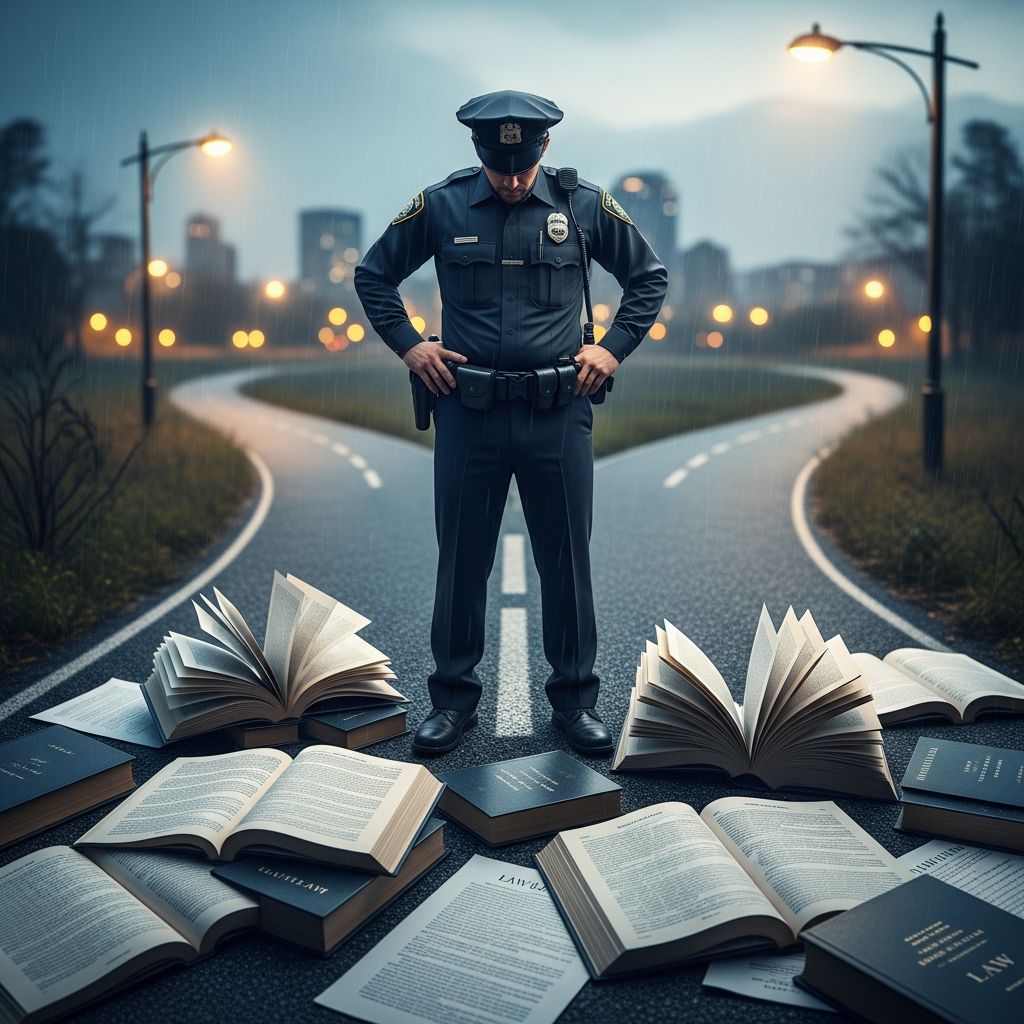
Law enforcement professionals encounter a wide array of statutes daily, but some criminal laws stand out for their enforcement difficulties. These often involve minor infractions where public backlash, resource constraints, and ambiguous applications create significant hurdles. This article delves into three prominent examples: traffic-related offenses like jaywalking, public consumption bans, and mandatory seatbelt usage requirements. By examining officer experiences, legal frameworks, and societal dynamics, we uncover why these laws provoke frustration among police ranks.
Understanding Enforcement Challenges in Modern Policing
Police officers operate in high-pressure environments where priorities shift rapidly between serious crimes and petty violations. Statutes perceived as trivial yet legally binding demand time and effort disproportionate to their impact. Factors such as community resistance, vague definitions, and limited departmental resources amplify these issues. For instance, officers must balance public safety with maintaining positive community relations, often leading to selective enforcement.
Historical data from law enforcement surveys indicates that up to 40% of patrol time can be consumed by low-level citations, diverting attention from violent crime prevention. This tension underscores a broader debate on whether certain laws merit strict application or legislative reevaluation.
Jaywalking and Pedestrian Traffic Violations
One of the most cited yet resented enforcement duties involves pedestrian traffic laws, commonly known as jaywalking prohibitions. These statutes criminalize crossing streets outside designated crosswalks or against signals, aiming to reduce accidents at intersections. However, officers frequently express dismay over their application due to widespread non-compliance and minimal perceived danger in many urban settings.
In bustling cities, pedestrians routinely ignore these rules for convenience, leading to a high volume of potential violations. Enforcing them requires officers to interrupt patrols, issue warnings or tickets, and face immediate confrontations. Data from municipal police departments shows that jaywalking citations rarely result in court appearances, as fines are often low—typically $50 to $200—and many recipients contest them successfully by arguing necessity or lack of signage.
Moreover, selective enforcement raises equity concerns. Pedestrians in affluent areas may receive verbal cautions, while those in lower-income neighborhoods face fines, exacerbating tensions. Officers report that these stops rarely enhance safety but erode trust, with one study noting a 25% increase in community complaints following aggressive jaywalking crackdowns.
- Key difficulties: High volume of violations overwhelms resources.
- Public reaction: Arguments over ‘common sense’ crossings lead to escalations.
- Effectiveness: Low deterrence due to infrequent penalties.
Public Consumption and Open Container Laws
Prohibitions on consuming alcohol or tobacco in public spaces represent another category of laws that officers dread. These open container statutes intend to curb disorderly conduct, littering, and public intoxication, but their enforcement often feels futile amid cultural norms and enforcement impracticalities.
Picture a summer evening in a park: families picnic while a few individuals sip beers discreetly. Approaching such scenes risks turning a peaceful gathering into a confrontation, especially when adults view moderate drinking as harmless. Police must navigate judgments on quantities, containers, and intent, with laws varying by jurisdiction—some allow sealed beverages, others ban any visible alcohol.
Enforcement statistics reveal that only 10-15% of observed violations result in citations, as officers prioritize de-escalation. Fines range from $100 to $500, yet revenue generated rarely offsets administrative costs. In tourist-heavy areas, leniency prevails to avoid economic backlash from visitors. Officers highlight the hypocrisy: events like festivals receive permits for alcohol sales, blurring lines for everyday enforcement.
| Violation Type | Typical Fine | Enforcement Rate | Common Defense |
|---|---|---|---|
| Open alcohol in park | $250 | 12% | ‘It was just one sip’ |
| Smoking in public plaza | $150 | 8% | ‘No signs posted’ |
| Unsealed beverage on street | $200 | 15% | ‘Medical cannabis exception’ |
This table illustrates the patchwork nature of penalties and low prosecution rates, fueling officer frustration.
Mandatory Seatbelt and Safety Equipment Mandates
Safety regulations requiring seatbelts, helmets, and child restraints top the list of unenviable duties for traffic patrol officers. While designed to save lives—seatbelts reduce fatality risk by 45% per NHTSA data—their enforcement involves invasive stops and emotional family disputes.
During routine patrols, spotting an unbuckled passenger prompts a pull-over, primary or secondary depending on state law. Primary enforcement allows stops solely for this violation, increasing officer exposure to irate drivers claiming privacy invasions. Parents arguing over child seats escalate quickly, with officers sometimes facing accusations of overreach.
Compliance hovers around 85-90% nationally, but the remaining cases demand consistent vigilance. Fines average $25-$100 for adults, higher for children, yet many jurisdictions offer amnesty programs or warnings. Officers resent the mandate’s low priority amid rising roadway deaths, preferring focus on speeding or impaired driving. Surveys from police unions indicate 60% of officers view seatbelt checks as a distraction from high-risk behaviors.
Broad Impacts on Law Enforcement and Society
These enforcement challenges extend beyond individual officers, affecting departmental morale, budgets, and policy. Overemphasis on minor laws strains relationships with communities, particularly marginalized groups who perceive bias in ticketing. Reforms like citation diversion programs or automated cameras have emerged, reducing officer involvement—camera-issued jaywalking tickets cut manual enforcement by 70% in pilot cities.
Legislative adjustments also play a role. Some states have decriminalized certain public consumption offenses, converting them to civil infractions with education over punishment. For traffic safety, public awareness campaigns boost voluntary compliance without stops.
From an officer’s viewpoint, these laws highlight a disconnect between legislative intent and street-level reality. Training emphasizes discretion, allowing veterans to issue warnings judiciously, preserving goodwill.
Legal Rights During Enforcement Encounters
Understanding rights empowers citizens during these interactions. You have the right to remain silent, refuse searches without probable cause, and request an attorney. Officers cannot use excessive force or coerce compliance unethically, as outlined in Fourth and Fourteenth Amendment protections. Documenting encounters via video aids accountability.
- Politely decline consent to searches.
- Ask if detained or free to leave.
- Comply with orders to avoid escalation while noting violations.
Frequently Asked Questions (FAQs)
Why do police issue warnings instead of tickets for these laws?
Officers use discretion to prioritize safety and relations, especially for first offenses or low-risk scenarios. Warnings serve as education without court burdens.
Can these minor violations lead to arrests?
Rarely, unless warrant exists or resistance occurs. Most remain citations payable remotely.
Are there cities relaxing these enforcement priorities?
Yes, places like Seattle and Portland have shifted focus post-protests, emphasizing community policing over petty infractions.
How do seatbelt laws vary by state?
25 states allow primary enforcement; others secondary. Child laws are universal but ages/fines differ.
What if I believe enforcement was unfair?
File complaints via internal affairs or contest in court with evidence like dashcam footage.
Pathways for Policy Reform and Better Outcomes
Addressing these pain points requires collaboration between lawmakers, police unions, and advocacy groups. Technology like AI-monitored crosswalks or apps for virtual seatbelt reminders offers non-intrusive alternatives. Public education campaigns, proven to increase compliance by 20%, reduce enforcement needs.
Ultimately, refining these laws acknowledges enforcement realities, allowing officers to focus on threats like gun violence or DUIs. Balanced approaches foster safer communities without unnecessary conflicts.
References
- 3 Types Of Police Misconduct That Violate Constitutional Rights — Iamele Law Firm. Accessed 2026. https://www.iamelelawfirmbaltimore.com/3-types-of-police-misconduct-that-violate-constitutional-rights/
- Law Enforcement Misconduct — U.S. Department of Justice. Accessed 2026. https://www.justice.gov/crt/law-enforcement-misconduct
- Things Cops Do That Are Illegal: What a Police Officer Can and Cannot Do — Suhre & Associates. 2021-03-05. https://suhrelawindianapolis.com/blog/things-cops-do-that-are-illegal-what-a-police-officer-can-and-cannot-do/
- Top 10 Rights Police Don’t Want You to Know — Just Criminal Law. 2021-12. https://www.justcriminallaw.com/blog/2021/december/top-10-rights-police-dont-want-you-to-know/
- Things Cops Do That Are Illegal: What a Police Officer Can and Cannot Do — RJAFFELAW. Accessed 2026. https://www.rjaffelaw.com/blog/things-cops-do-that-are-illegal-what-a-police-officer-can-and-cannot-do/
Similar Articles








Read full bio of Sneha Tete




