
Law School Casebook Aids: Top Questions Answered
Unlock the secrets of casebook supplements: Are they worth it? Which ones work best? Expert answers to your burning questions.
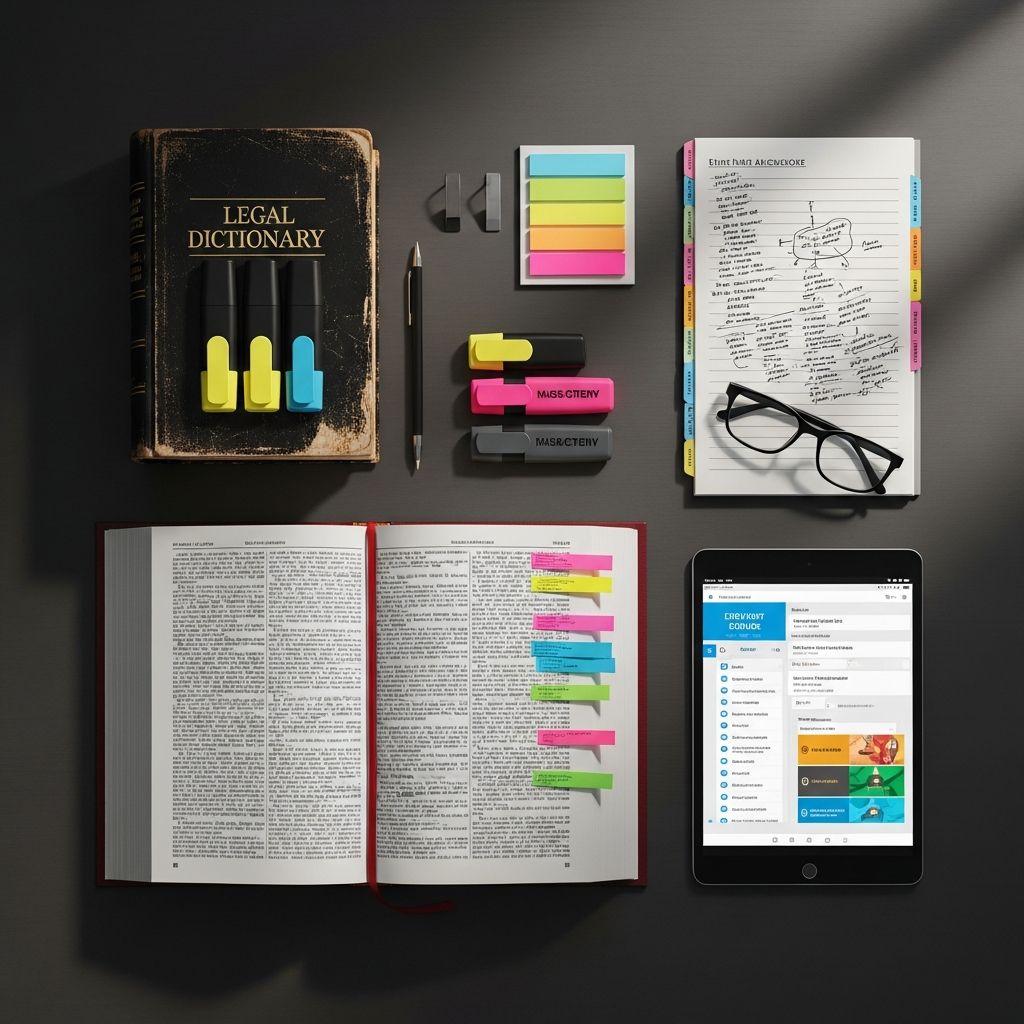
Entering law school brings a flood of new challenges, especially for first-year students tackling dense casebooks packed with lengthy judicial opinions. Many students turn to supplementary study materials to simplify complex legal concepts, streamline reading assignments, and boost exam performance. These aids, ranging from concise case summaries to practice-filled outlines, can transform overwhelming coursework into manageable insights. But with countless options available, questions abound: Do you really need them? Which ones deliver the most value? How should you integrate them without undermining core learning skills? This comprehensive guide addresses the most common inquiries, drawing on proven strategies to help you decide wisely and use these tools effectively.
Understanding the Role of Supplementary Materials in Legal Education
Casebooks serve as the cornerstone of law school curricula, presenting landmark cases through full-text opinions that demand careful analysis. However, their verbosity often obscures key holdings, procedural histories, and doctrinal implications, leaving students to extract essentials amid dense prose. Supplementary materials bridge this gap by distilling cases into briefs, outlining black-letter law, and offering explanatory narratives or practice problems.
These aids are not shortcuts but enhancers. They reinforce comprehension, save time on initial readings, and provide frameworks for outlining course material. According to law school advising resources, supplements like commercial briefs keyed to specific casebooks allow students to preview cases efficiently, grasping core issues before diving into originals. This approach fosters active engagement rather than passive reliance, aligning with professors’ expectations for critical case reading.
Yet, opinions vary. Some forums praise high-quality summaries for accuracy and readability, rating options like High Court Case Summaries highest for 1L subjects. Others caution against over-dependence, emphasizing that supplements must complement—not replace—assigned readings to build vital analytical skills.
Are Supplementary Materials Essential for Law School Success?
The short answer: No, they are not strictly essential, but they can significantly enhance your experience, particularly during the demanding 1L year. Success in law school hinges on consistent effort, active participation, and effective exam preparation, not on owning every available aid.
Many top performers thrive without supplements by mastering case briefing techniques early. However, for those juggling heavy reading loads or struggling with Socratic-method cold calls, targeted aids prove invaluable. Check your school’s library first—many stock older editions for trial, helping you assess fit without upfront costs. Online platforms like Quimbee offer free trials, ensuring casebook-specific content before committing.
- Pros of using supplements: Time savings on case prep, clearer doctrinal overviews, exam-style practice questions.
- Cons: High costs if buying indiscriminately, risk of mismatched content if not keyed to your professor’s casebook.
Strategic use matters most. Prioritize 1-2 aids per course that address your weaknesses, such as narrative explanations for visual learners or multiple-choice banks for exam formats.
Top Recommended Types of Casebook Supplements
Not all supplements are created equal. Focus on those “keyed” to your exact casebook edition for relevance. Here’s a breakdown of standout categories:
| Type | Description | Best For | Top Examples |
|---|---|---|---|
| Commercial Briefs | Pre-written summaries of assigned cases, highlighting facts, issues, rules, analysis, and holdings (FIRAC/IRAC). | Daily reading prep; skimming before full cases. | High Court Case Summaries, Legalines, Casebriefs |
| Study Outlines & Hornbooks | Comprehensive rule statements, hypotheticals, and structured overviews. | Outlining courses; filling doctrinal gaps. | Examples & Explanations (E&E), Glannon Guides, Siegel’s Series |
| Practice-Focused Aids | Essay questions, model answers, multiple-choice quizzes. | Exam review; self-testing. | E&E series, subject-specific Q&A books |
High Court Case Summaries often top user ratings for clarity and precision across subjects like Contracts and Torts. Legalines adds explanatory depth, ideal for complex topics. For narrative learners, E&E series uses real-world examples to illuminate rules. Avoid generic outlines; professor-specific alignment ensures utility.
Strategic Ways to Incorporate Aids into Your Study Routine
Effective integration maximizes benefits while honing lawyerly skills. Follow these best practices:
Pre-Class Preparation
Use briefs to orient yourself: Read the supplement summary first, then skim the full case for nuances. This cuts prep time dramatically without skipping analysis. For unfamiliar doctrines, consult outlines beforehand to contextualize cases, reducing class anxiety.
Class and Post-Class Synthesis
After lectures, cross-reference supplements with notes to refine understanding. They clarify how cases interconnect, aiding synthesis for Socratic dialogue.
Outlining and Exam Prep
Leverage outlines as skeletons for your own, adapting to your professor’s emphases. Practice questions from aids simulate exams, especially multiple-choice. Combine with professor-provided past exams for targeted review.
Timeline example for a semester:
- Weeks 1-6: Briefs for readings; light outlining.
- Weeks 7-12: Full outlines with supplement structure; weekly practice sets.
- Final 2 weeks: Intensive Q&A drills.
Common Pitfalls and How to Avoid Them
Supplements can backfire if misused. Key don’ts include:
- Replacing casebook reading: Always engage originals to develop briefing prowess. Professors test this skill.
- Buying unkeyed editions: Mismatched cases waste time.
- Overloading your desk: Select 1-2 per class; unused stacks breed guilt.
- Ignoring free resources: Libraries, trials, and study groups offer alternatives.
One forum user notes Casebriefs’ format frustrated them, underscoring personal fit testing. Start small, evaluate post-midterms.
Budgeting for Supplements: Smart Spending Tips
Costs add up—expect $20-60 per book. Prioritize high-impact courses like Civ Pro or Property. Buy used via student exchanges or online marketplaces. Digital versions from platforms like Quimbee often include all subjects for a flat fee, with mobile access. Group buys with classmates split expenses.
For 1L core: Allocate $150-250 total, focusing on briefs and one outline series. Upper years may need fewer as skills sharpen.
Frequently Asked Questions About Law School Casebook Aids
Should I buy supplements for every class?
No. Assess needs per professor and subject. Libraries help test-drive.
What’s the best commercial brief series?
High Court Case Summaries leads for readability; Legalines for extras.
Can supplements replace my own outlines?
No—use as guides, customize to class.
Are online tools like Quimbee worth it?
Yes, for keyed content and trials.
Do professors approve of supplements?
Most do, if they supplement—not supplant—readings.
Long-Term Benefits: From 1L to Bar Exam
Mastering supplements builds habits extending to 2L/3L clinics and bar prep. Many series align with MBE/MPRE formats. Track progress: Students using aids strategically report better outlines and grades.
In summary, casebook aids empower efficient learning when chosen and used judiciously. Experiment thoughtfully to find your toolkit.
References
- A Guide to 1L Supplements: The Key to 1L Success — Top Law Schools Forum. Accessed 2026. https://www.top-law-schools.com/forums/viewtopic.php?f=3&t=194417
- Do I Need To Buy Law School Supplements? — JD Advising. Accessed 2026. https://jdadvising.com/do-i-need-to-buy-law-school-supplements/
- The Do’s and Don’ts of Using Supplements in Law School — Law School Toolbox. Accessed 2026. https://lawschooltoolbox.com/the-dos-and-donts-of-using-supplements-in-law-school/
- The Essential Role of Law School Supplements From 1L To 3L Year — BARBRI. Accessed 2026. https://www.barbri.com/resources/the-essential-role-of-law-school-supplements-from-1l-to-3l-year
- Supplements: To Use or Not to Use? That is the Question — Thomson Reuters Law School Survival Guide. Accessed 2026. https://lawschool.thomsonreuters.com/survival-guide/supplements-to-use-or-not-to-use-that-is-the-question/
Similar Articles








Read full bio of Sneha Tete




